






A Village with a Starry Vision
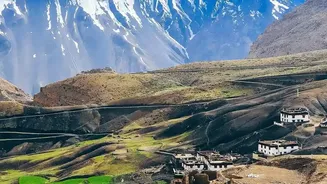
Udmal, a small tribal village in the Surgana taluka of Nashik district, is doing something revolutionary: it's choosing darkness. While development is often equated with brighter lights, Udmal's Gram Sabha has passed a resolution to do the opposite. They
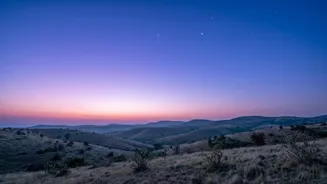
are committing to scientifically planned, responsible outdoor lighting to protect their pristine night skies from the ever-growing problem of light pollution. This community-led initiative is the first of its kind in Maharashtra, and is positioning Udmal to become India’s first officially certified 'Dark Sky Community' by DarkSky International. With a sanctioned budget of ₹42.1 lakh from the district administration, the project is a powerful statement that progress can mean preserving natural wonders, not just building over them.
The Growing Problem of Light Pollution
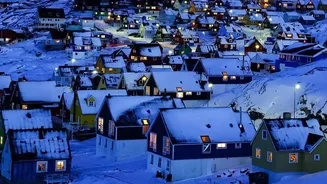
For most of human history, a sky full of stars was a universal sight. Today, it’s a rarity. Light pollution—the excessive and misdirected use of artificial light—has created a pervasive 'skyglow' above our cities and towns, making it impossible to see anything but a handful of the brightest stars. Studies show light pollution is steadily increasing across India, with states like Maharashtra among the most affected. This isn't just a loss for astronomers or poets; it has real-world consequences. Artificial light at night disrupts the natural cycles of wildlife, affecting the behaviour of nocturnal animals, insects, and migratory birds. It can also impact human health by interfering with sleep patterns. Light pollution is one of the most reversible forms of environmental degradation, and Udmal is showing how it's done.
What Is ‘Responsible Lighting’?
The goal isn't to plunge the village into total darkness, but to use 'wiser light'. Responsible lighting is about ensuring light is used effectively and efficiently, only where and when it’s needed. The principles are simple yet profound. First, all outdoor light fixtures will be fully shielded and directed downwards, preventing light from spilling upwards into the sky. Second, the village will use warm-coloured lights (under 2700 Kelvin) instead of the harsh, blue-white LEDs that are most disruptive to both night vision and wildlife. Finally, smart controls like timers and motion sensors will be employed, so lights are only on when necessary. This not only protects the night sky but also saves energy and reduces the community's carbon footprint.
The Dawn of Astro-Tourism
Udmal's decision is not just about conservation; it's a strategic move towards a sustainable economic future. By protecting its dark skies, the village is paving the way for astro-tourism—a growing niche where travellers seek out clear, dark skies for stargazing. This initiative, implemented in collaboration with the NGO AstronEra, aims to create new livelihood opportunities for the local tribal community. The project includes training for local youth to become guides, night sky quality assessments, and public awareness campaigns. Following the success of India's first Dark Sky Reserve in Hanle, Ladakh, and a Dark Sky Park at Pench Tiger Reserve, Udmal’s community-centric model could become a blueprint for villages across the country. It’s a chance to generate income without disturbing the region's rich natural heritage.
A Beacon for India
Udmal is part of a larger push by the Maharashtra government, which has identified 11 potential sites for dark-sky preservation as part of its statewide initiative. This village's journey shows that community-led conservation can be a powerful force for change. The project also aims to spark a scientific temper among local students, using the natural planetarium above their heads as an open-air classroom. As cities grow brighter, the value of a place like Udmal—shielded from glare and offering a clear window to the cosmos—becomes immeasurable. This small village is proving that sometimes, the brightest future is a dark one.