




Gujarat: The Land of Garba and Fasting Feasts
In Gujarat, Navratri is synonymous with Garba and Dandiya Raas, two dance forms that have gained global recognition. As dusk falls, communities gather in open grounds, dressed in vibrant traditional attire. Women perform Garba in circles around an earthen
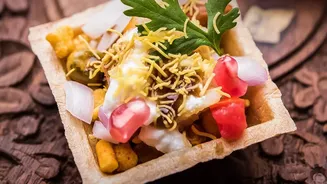
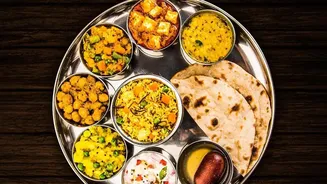
lamp or an idol of the Goddess, a dance that symbolizes the cyclical nature of life. The energy escalates with Dandiya Raas, where pairs rhythmically strike wooden sticks in a playful, choreographed dance. For many, the nine days are also a period of fasting, or 'upvas'. The culinary landscape adapts with a special 'farali' menu that excludes grains, onions, and garlic. Staple fasting foods include Sabudana Khichdi (tapioca pearls cooked with potatoes and peanuts), Kuttu ki Puri (buckwheat flour bread), and sweet potato chaat. These dishes provide energy for the long nights of dancing and devotion.
West Bengal: The Grandeur of Durga Puja
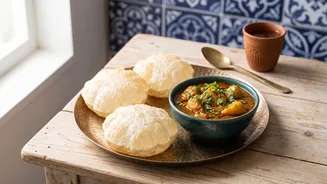
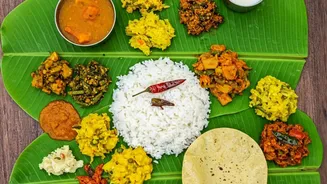
In West Bengal and other eastern states, the last five days of Navratri are celebrated as Durga Puja, a festival so significant it has been recognized by UNESCO. The festival marks the homecoming of Goddess Durga with her children. Life revolves around elaborate temporary structures called 'pandals', each housing a magnificent clay idol of Durga defeating the demon Mahishasura. The air buzzes with the rhythmic beat of the 'dhak' (a traditional drum) and the fragrant smoke from the 'dhunuchi' dance, an evening ritual performed with earthen incense burners. Unlike the fasting traditions elsewhere, Durga Puja is a time for feasting. The community meal, or 'bhog', is central to the celebration, with dishes like Khichuri (a rice and lentil dish), Labra (a mixed vegetable curry), Luchi (fluffy fried bread), and Payesh (rice pudding) served to all. Kolkata's streets also become a food lover's paradise, with stalls selling everything from kathi rolls to a vast array of sweets.
Tamil Nadu: The Artistic Display of Golu
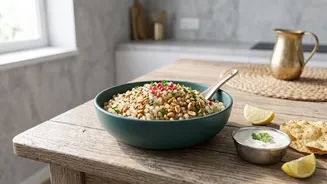
Down south in Tamil Nadu, Navratri is celebrated with the beautiful tradition of 'Golu' or 'Kolu'. Homes are decorated with elaborate, tiered displays of dolls and figurines depicting mythological stories, courtly life, and everyday scenes. These steps, always in odd numbers, are symbolic of spiritual progression. The celebration honours not just Durga but also Lakshmi and Saraswati. Evenings are a time for social gatherings, where women and children visit each other's homes to see the Golu displays, sing devotional songs, and receive 'thamboolam'—a gift packet containing betel leaves, turmeric, and vermilion. Food is a key part of the hospitality. A signature offering is 'Sundal', a savory snack made from different legumes like chickpeas, moong dal, or peanuts, with a new variety prepared each of the nine days. Other festive treats include sweet Payasam (kheer) and various rice preparations.
North India: Ramlila and Kanya Pujan
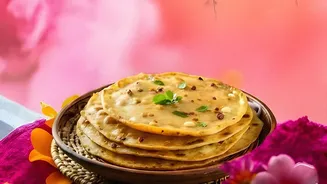
In large parts of North India, including Uttar Pradesh and Delhi, Navratri culminates in Dussehra, which celebrates Lord Rama's victory over the demon king Ravana. The festival is marked by 'Ramlila', a folk reenactment of the Ramayana epic through plays, songs, and dialogues. These performances are a major community event, bringing neighborhoods together for several nights. On the final day, massive effigies of Ravana are burned, symbolizing the triumph of good over evil. A heartwarming tradition observed on the eighth (Ashtami) or ninth (Navami) day is 'Kanya Pujan' or 'Kanjak'. Young girls, considered to be manifestations of the goddess, are invited into homes, their feet are washed, and they are offered a special meal of Halwa (a sweet semolina pudding), Puri (fried bread), and Kala Chana (black chickpeas). Devotees then seek their blessings, offering them small gifts as a mark of respect.
Karnataka: The Royal Splendour of Mysuru Dasara
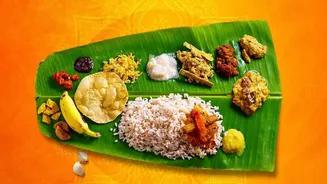
In Karnataka, the city of Mysuru hosts a Dasara celebration renowned for its royal pageantry, a tradition dating back centuries. The entire city, especially the grand Mysuru Palace, is brilliantly illuminated. The festival is a rich tapestry of cultural events, processions, and exhibitions. Like in Tamil Nadu, many homes arrange 'Gombe Habba', their version of the Golu doll displays. The culinary offerings are a feast in themselves. Traditional dishes enjoyed during the festival include Kosambari (a simple dal salad), Bisi Bele Bath (a hot lentil rice dish), and a variety of sweets. The most famous of these is the iconic Mysore Pak, a rich sweet made from gram flour, ghee, and sugar that is said to have originated in the royal kitchens of Mysuru.