


The Blueprint for a Lunar Outpost
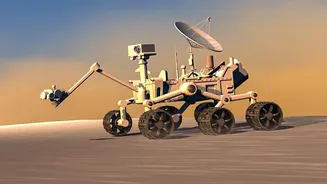
Under its Artemis program, NASA's goal is not just to visit the Moon, but to stay. This requires a fundamental shift from temporary missions to creating a sustainable presence. The agency plans to build this 'Moon Base' in phases, starting with robotic
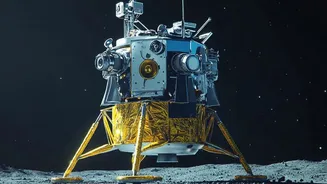
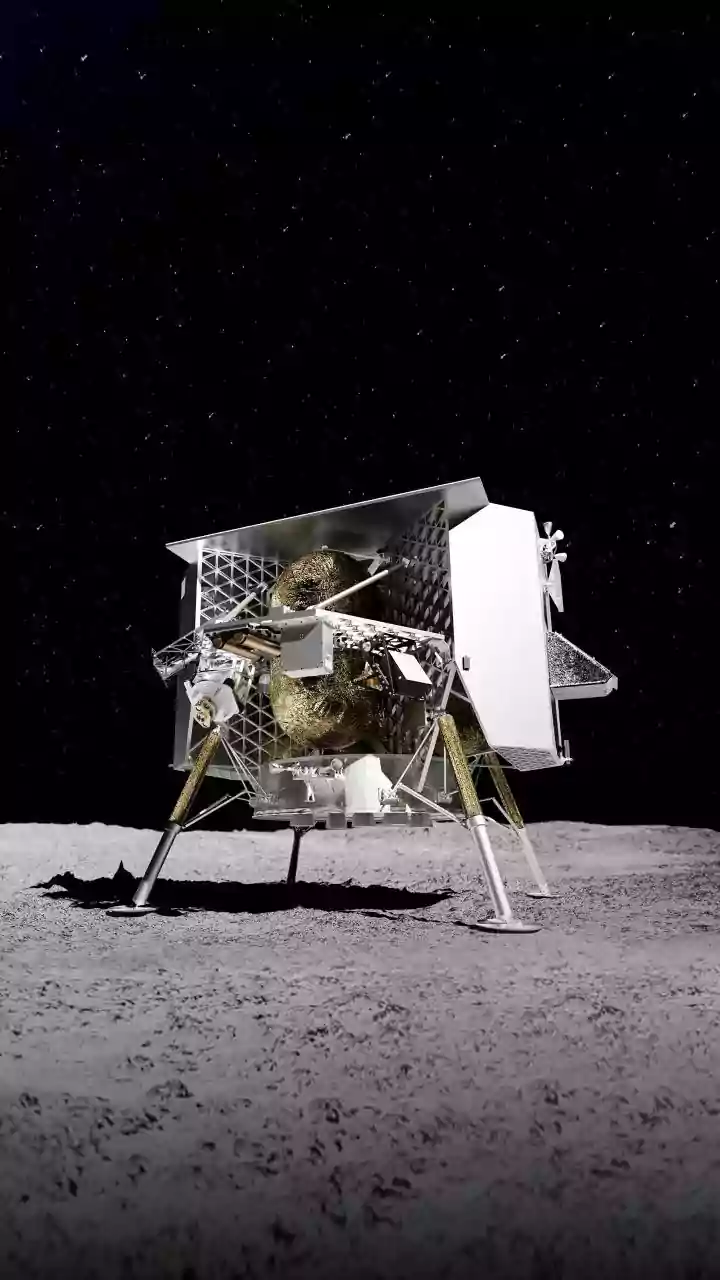
missions that scout locations and test technologies before astronauts arrive for long-duration stays. This outpost, planned for the Moon's South Pole, will be a hub for science and exploration, and a crucial stepping stone for future missions to Mars. To make this a reality, NASA is working with commercial partners through the Commercial Lunar Payload Services (CLPS) initiative to deliver dozens of experiments and instruments to the surface, each one a critical piece of the puzzle.
Finding Shelter in Caves and Craters
One of the biggest challenges on the Moon is the harsh environment. Without a protective atmosphere, the surface is exposed to extreme temperature swings and constant radiation. For humans to survive, they need shelter. NASA is investigating the use of natural lunar features, like lava tubes, as potential habitats. One selected investigation, the Geophysical Investigation for Mapping Lunar Interior (GIMLI), will use ground-penetrating radar to see if a lunar pit near the Marius Hills is connected to a larger underground cave. Such a cavern could provide natural protection for astronauts and their equipment, making it a prime location for a future base.
Living Off the Land
A sustainable lunar base can't rely on endless supply missions from Earth. The key is to 'live off the land' through a process called In-Situ Resource Utilization (ISRU). The most valuable resource is water ice, which is believed to be trapped in permanently shadowed craters at the lunar poles. This ice can be harvested and converted into breathable air and rocket fuel. A new payload suite called the Distribution of Ice and Surface Characteristics Observatory (DISCO) will be sent to perform the first on-the-ground measurements of this ice, study its composition, and test how to extract it. This work is essential for turning a frozen resource into the fuel for a lunar economy.
Preparing for Lunar Hazards
Before building a permanent home, you need to understand the local weather and environmental risks. On the Moon, this means studying seismic activity, radiation, and the threat of micrometeoroid impacts. To do this, NASA selected the Lunar Environment Monitoring Station – South Pole (LEMS-SP). This autonomous station will act as a long-term lunar weather station, using a seismometer to detect 'moonquakes' and other instruments to monitor the environment. The data it collects will provide a crucial 'survival guide' for engineers designing habitats and equipment, ensuring that the first lunar outpost is built to last against the unique dangers of the lunar world.
Powering the Future
Everything at the lunar base, from life support systems to rovers and science experiments, will need a steady supply of power. This is especially tricky at the South Pole, where periods of light and darkness are extreme. NASA is investing heavily in new surface power technologies, including advanced solar arrays and battery storage systems that can survive the long, cold lunar night. Some early commercial missions are already testing deployable solar panels, and the long-term plan includes potentially using small nuclear power sources for continuous energy. These investigations are designed to solve one of the most fundamental problems of off-world living: how to keep the lights on.