




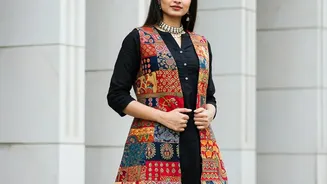
The New Wardrobe Essential: All-Weather Wear
The single-use outfit is losing its charm. Today, the Indian fashion consumer is smarter and more discerning, seeking clothing that offers versatility and longevity. This has given rise to the demand for 'trans-seasonal' or 'all-weather' apparel—garments
designed to be adaptable. It's no longer about having separate wardrobes for summer, monsoon, and the mild winter. Instead, the focus is on a core collection of pieces that can be layered, mixed, and matched to suit fluctuating daily temperatures and diverse social settings. This shift marks a move away from the fast-fashion model of fleeting trends towards a more considered, functional, and personal approach to style. A single garment is now expected to provide value across different scenarios, from a formal meeting to a casual evening out.
Climate, Comfort, and the Modern Lifestyle
Several factors are driving this trend, chief among them being India's diverse and often unpredictable climate. With scorching summers, humid monsoons, and chilly winters in different parts of the country—sometimes all experienced in a short span—the need for adaptable clothing is a practical necessity. Modern lifestyles amplify this need. The daily commute can involve moving between intense outdoor heat and frigid office air conditioning. The rise of hybrid work culture has also blurred the lines between on-duty and off-duty attire, creating a demand for 'workleisure' that is both comfortable for home and polished enough for a video call or an office drop-in. This requires clothes that are not just stylish, but also functional and comfortable for long hours.
The Rise of the Conscious Consumer
Beyond practicality, a significant driver is the growth of conscious consumerism in India. Consumers, particularly millennials and Gen Z, are increasingly aware of the environmental impact of the fashion industry. They are actively seeking sustainable options, which translates into buying fewer, higher-quality items that last longer. Versatile clothing fits perfectly into this mindset. A garment that can be worn across seasons and for multiple occasions reduces the need for excessive consumption, aligning with principles of slow fashion and mindful spending. This eco-conscious shift is pushing brands to focus on durability, ethical production, and timeless design over disposable trends.
Mastering the Art of Layering
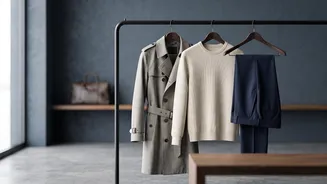
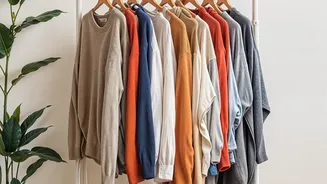
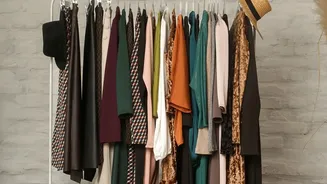
The key to building a successful trans-seasonal wardrobe lies in the art of layering. This technique allows for quick adjustments to changing temperatures throughout the day. The strategy involves starting with a breathable base layer and adding or removing pieces as needed. Essential layering items in an Indian context include lightweight jackets, crisp cotton shirts, open-front shrugs, stylish blazers, and versatile scarves or dupattas. The secret is to 'dress for the temperature, not the season', using layers to create outfits that are both functional and visually interesting. Playing with proportions, like pairing an oversized jacket with fitted trousers, can add a contemporary edge to a layered look.
Fabrics and Brands Leading the Change
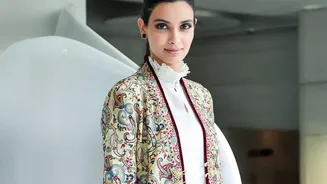
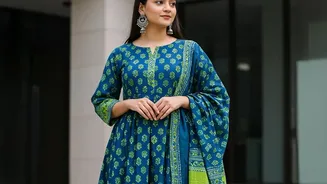
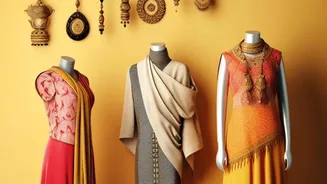
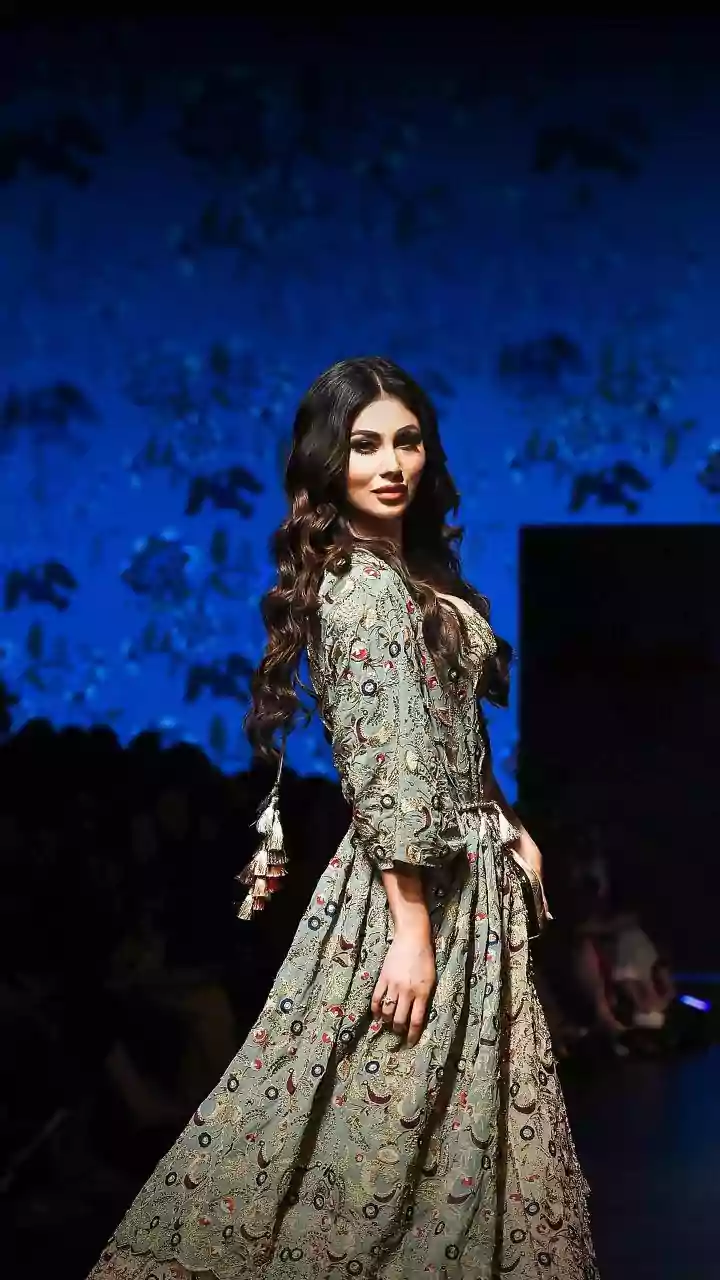
Fabric choice is crucial for creating comfortable, all-weather clothing. Breathable, natural fabrics are at the forefront of this trend. Materials like cotton, linen, khadi, and mulmul are ideal for India's predominantly warm and humid climate as they allow for air circulation and absorb moisture. For cooler temperatures or for layering, fine-gauge wool, silk blends, and innovative textiles like Tencel and Modal are gaining popularity. Many homegrown Indian brands are championing this new direction. They are creating fusion wear that blends traditional Indian textiles with modern, functional silhouettes—think tailored kurtas paired with cigarette pants, structured dresses, and versatile co-ord sets that move seamlessly from the office to an evening out. This blend of heritage craftsmanship and contemporary design offers an authentic, stylish, and practical solution for the modern Indian consumer.