






The Science of a Stressed Cow
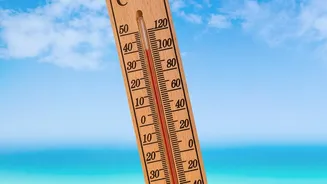
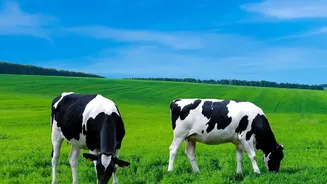
Cattle, especially high-yielding crossbred varieties common in India, have a thermal comfort zone. When temperatures climb, particularly above 38°C with high humidity, they experience heat stress. To cope, a cow's body diverts energy away from milk production
towards thermoregulation, like panting and sweating. This physiological strain leads to reduced feed intake, hormonal imbalances, and a direct drop in milk output, sometimes by as much as 20-30%. It's not just the quantity that suffers; the quality, including fat and protein content, can also decline, affecting the price farmers receive. This problem is particularly severe for buffaloes, which have fewer sweat glands and struggle more in humid heat.
The Ripple Effect on Farmers and the Economy
The consequences of lower milk yields are felt most acutely by the more than 80 million rural households whose livelihoods depend on dairy farming. For these smallholder farmers, a drop in milk production means an immediate loss of income. This is compounded by other climate-related issues, such as erratic rainfall affecting fodder availability and quality, which drives up production costs. Heat stress also weakens an animal's immune system, making them more susceptible to diseases and increasing veterinary expenses. Studies estimate that heat-related stress is already causing an annual national loss of 3.2 million tonnes of milk, valued at over Rs 2,600 crore. Projections warn this could worsen significantly, with some studies forecasting a potential 25% drop in milk production by 2085 if temperatures continue to rise unchecked.
A Search for Resilient Solutions
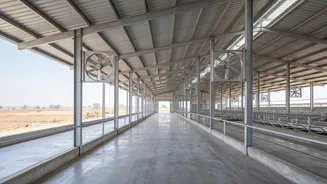
Recognising the threat, efforts are underway to build a more climate-resilient dairy sector. One key strategy involves genetics. Indigenous Indian cattle breeds like the Sahiwal and Gir are naturally more heat-tolerant than their exotic crossbred counterparts. Government programmes are working to identify and promote traits for heat tolerance in breeding. However, genetics alone is not enough. Effective farm management is crucial. Simple, low-cost solutions can make a significant difference. Providing adequate shade, for instance, is the first line of defence. Improving ventilation in barns and using fans and water sprinklers can create a cooling effect, helping animals better regulate their body temperature. Ensuring constant access to clean, cool water is also vital, as cows' water intake increases dramatically in hot weather.
Innovating for a Cooler Future
Beyond the farm gate, broader innovations are being explored. Nutritional strategies, such as adjusting feeding schedules to cooler parts of the day and providing high-quality, easily digestible feed, can help maintain an animal's energy levels. Organisations like the National Dairy Development Board (NDDB) are championing initiatives like ration balancing to improve animal nutrition and reduce metabolic heat. There's also a growing focus on the circular economy. For example, converting cow manure into biogas provides clean energy for rural homes and reduces greenhouse gas emissions, while the leftover slurry serves as organic fertiliser. These 'climate-smart' dairy practices aim to create a system that is not only more productive and profitable for farmers but also environmentally sustainable in the long run.