



The Blue Mountains' Understated Gem
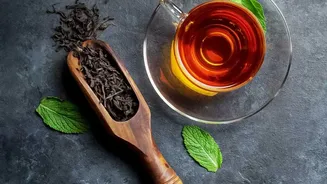
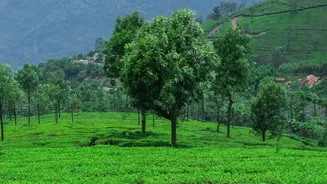
When you think of Indian tea, your mind probably travels to the robust, malty flavours of Assam or the delicate, muscatel notes of Darjeeling. But nestled in the southern Western Ghats lies India's third major tea region: the Nilgiris, or Blue Mountains.
For years, Nilgiri tea has been something of an unsung hero, often used in blends or for commodity tea bags. However, artisanal creators are now looking past the major names and celebrating Nilgiri for its unique and highly desirable characteristics. Grown at high altitudes, these teas are harvested year-round, benefiting from two monsoon seasons, a climate pattern more similar to Sri Lanka than to other parts of India. This consistent growing season contributes to a tea that is famously fragrant, brisk, and exceptionally smooth.
The Secret to Smoothness: Low Tannins
The single most important reason Nilgiri tea is perfect for low-sugar beverages comes down to chemistry. It is naturally lower in tannins than most other black teas. Tannins are the polyphenolic compounds that cause the astringent, sometimes bitter or dry, sensation in your mouth when you drink a strong cup of black tea. While tannins contribute to a tea’s structure, a high concentration often needs to be balanced with milk or, more commonly, sugar. Because Nilgiri tea has a lower tannin content, it lacks that aggressive bitterness. The result is a cup that is incredibly smooth and gentle on the palate, which means it doesn't need sugar to be enjoyable. This clean foundation allows the tea's natural character to shine through without requiring anything to mask harsh notes.
A Naturally Sweet and Aromatic Profile
Beyond its smoothness, Nilgiri tea boasts a beautifully aromatic and inherently sweet flavour profile. Descriptions often include bright floral notes, hints of fruit, and a clean, crisp finish. Some even detect notes of citrus or eucalyptus, absorbed from the diverse plant life of the Nilgiri Biosphere Reserve where it grows. This natural sweetness means the tea is already delicious on its own. For an artisanal drink maker focused on reducing sugar, this is a massive advantage. They can build upon the tea’s existing floral and fruity character, adding complementary botanicals or a splash of fruit juice, rather than having to start by overpowering a bitter base with sweeteners. It allows for a more sophisticated and nuanced final product.
The Perfect Canvas for Modern Brewing
Nilgiri tea is famously one of the best choices for iced tea and cold brewing for two key reasons. Firstly, its lower tannin content means it doesn't become bitter as it cools. Secondly, it remains remarkably clear, whereas many other black teas can turn cloudy, a process known as 'tea creaming'. This clarity is aesthetically pleasing and a sign of a clean, crisp taste. Cold brewing has become a favourite technique for artisanal makers because it gently extracts flavour over several hours. This slow, cold infusion is particularly well-suited to Nilgiri leaves, as it pulls out their delicate sweetness and aromatic compounds while leaving behind any trace of bitterness. The resulting brew is exceptionally smooth and refreshing, making it the ideal base for a premium, ready-to-drink beverage.
The Artisanal Shift to Quality
The growing consumer demand for healthier, transparent, and less processed food and drink has fuelled the artisanal movement. People want beverages that are flavourful without being loaded with sugar or artificial ingredients. Artisanal tea makers are responding by seeking out high-quality, orthodox (whole-leaf) Nilgiri teas to use as their star ingredient. They are not just making sweetened iced tea; they are crafting sophisticated infusions where the tea itself is the main event. By using Nilgiri, they can offer a product that is both delicious and aligns with modern wellness trends. It allows them to tell a story of terroir, craftsmanship, and pure, unadulterated flavour—a story that begins in the Blue Mountains of South India.