






Meet Your Body's Energy Currency
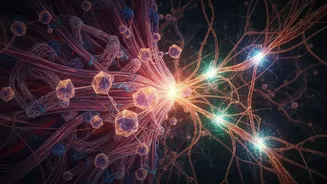
Every single action you take—from lifting a heavy weight to solving a complex problem—is powered by a molecule called adenosine triphosphate, or ATP. Think of ATP as the cellular-level 'rupee' your body spends to get work done. The catch is that your muscles
only store enough ATP for a few seconds of intense, explosive effort. For anything longer, your body must rapidly produce more. This is where the entire system of energy production becomes critical, and where creatine enters the picture as a key player.
Creatine: The Ultimate Energy Recycler
Creatine is a natural compound your body produces from amino acids and also gets from foods like red meat and seafood. Most of it is stored in your muscles, but not as free creatine. Instead, it exists as phosphocreatine. During intense activity, when ATP is 'spent' and becomes adenosine diphosphate (ADP), phosphocreatine plays a heroic role. It quickly donates its phosphate molecule to the depleted ADP, rapidly converting it back into high-energy ATP. This recycling process allows you to sustain high-intensity effort for longer than you otherwise could.
More Power for Your Muscles
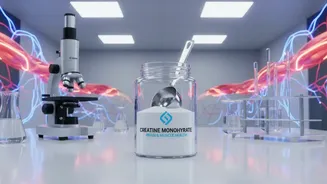
By supplementing with creatine monohydrate—the most researched form—you increase your muscles' stores of phosphocreatine by as much as 15-40%. This larger energy reserve means you can perform better during short, powerful activities like sprinting, jumping, and weightlifting. Studies consistently show that this leads to greater gains in strength, power output, and lean muscle mass when combined with resistance training. One review found that athletes taking creatine saw strength gains that were, on average, 8% greater than those who didn't. It effectively delays muscle fatigue, allowing you to push out those extra few reps that are crucial for growth.
An Unexpected Boost for Your Brain
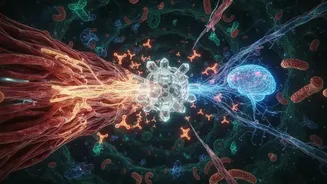
The benefits of this energy recycling aren't limited to your biceps. Your brain is an incredibly energy-hungry organ, consuming about 20% of your body's resting metabolism. Just like muscles, brain cells rely on a constant supply of ATP to function correctly, especially during mentally demanding tasks, stress, or sleep deprivation. Emerging research suggests that creatine supplementation can help maintain these crucial brain energy levels. Several studies and meta-analyses have found that creatine can improve aspects of cognitive function, particularly short-term memory and information processing speed.
Getting Started with Creatine
Creatine monohydrate is considered safe and effective for most healthy adults. The standard, well-researched maintenance dose is 3 to 5 grams per day. Some people start with a 'loading phase' of around 20 grams per day for 5-7 days, split into smaller doses, to saturate their muscles more quickly, though this isn't strictly necessary. Consistency is key; taking it daily helps maintain elevated levels in your muscles and brain. Because creatine draws water into muscle cells, it's important to stay well-hydrated to support its function and avoid potential mild side effects like bloating.