


The Modern Breakfast Battleground
The modern morning is often a race against time. For many, breakfast has been reduced to a convenient, quick-to-consume protein shake, designed for efficiency over everything else. These drinks promise high protein and convenience, but they represent
a larger shift towards processed, fast solutions in our diets. Yet, a growing counter-movement is looking backwards to move forwards. There's a rising interest in traditional, slow foods that offer more than just macronutrients; they offer a connection to heritage and holistic wellness. This is where pazhanthanji, a dish once known as a poor man’s food, enters the scene, now hailed as a superfood.
An Ancestral Superfood Explained
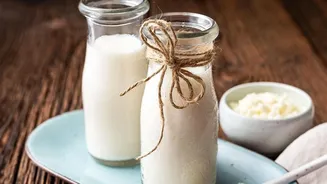
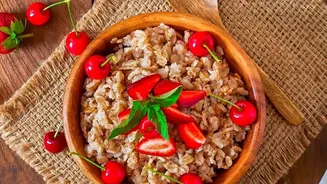
So, what exactly is this traditional elixir? At its core, pazhanthanji (also known as neeragaram or panta bhat in other regions) is ingeniously simple: leftover cooked rice, typically red rice, is soaked in water and left in an earthen pot to ferment overnight. By morning, the simple rice and water mixture transforms. It’s traditionally served cool, often mixed with curd or buttermilk and seasoned with crushed shallots, green chillies, and salt. This was the breakfast that fueled generations of farmers and labourers, providing them with sustained energy for a day of hard work. Its recent revival is seeing it appear in homes and even on restaurant menus, celebrated for its natural, time-tested benefits.
The Science Behind the Elixir
The magic of pazhanthanji lies in the fermentation process. Soaking the rice overnight allows beneficial lactic acid bacteria to multiply, turning the dish into a natural probiotic. These probiotics are essential for maintaining a healthy gut microbiome, which aids digestion and can help with issues like bloating and constipation. The fermentation also breaks down anti-nutrients in the rice, making minerals like iron, potassium, and calcium more easily absorbed by the body. Furthermore, it is a rich source of B vitamins, particularly B6 and B12, which help combat fatigue. Proponents claim it acts as a natural body coolant, making it an excellent choice for hot climates and helping to prevent issues like stomach ulcers.
Pazhanthanji vs. The Protein Shake
How does this ancient porridge stack up against its modern counterpart? A commercial protein shake is a product of industrial food science. It delivers a high, concentrated dose of protein, but often comes with a long list of ingredients, including artificial sweeteners, gums, and stabilisers that can sometimes cause digestive distress. Pazhanthanji, on the other hand, is a whole food. Its benefits are holistic, focusing on gut health, hydration, and gentle, sustained energy. While a protein shake is built for muscle synthesis, pazhanthanji is built for gut fortification and overall balance. It’s naturally hydrating, cooling, and easy to digest, offering a stark contrast to the often heavy and processed nature of shakes. The choice between them isn't about which is universally 'better,' but about a shift in wellness priorities from a narrow focus on protein grams to a broader appreciation for gut health and natural nourishment.
A Craving for Authenticity
The resurgence of pazhanthanji isn't just about nutrition; it's a cultural phenomenon. In an age of globalised food trends, there is a powerful desire to reconnect with local and ancestral practices. The wellness community's growing emphasis on probiotics and gut health has provided a scientific language to validate what traditional wisdom has known for centuries. Celebrities and influencers sharing their affinity for this simple dish have also boosted its popularity. This trend reflects a broader search for authenticity and sustainability—valuing simple, homemade food that is both nourishing for the body and rooted in cultural identity. It’s a move away from hyper-packaged solutions towards the humble, powerful wisdom found in our own kitchens.