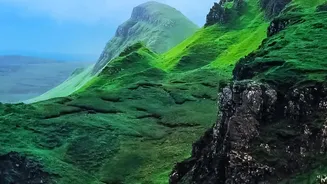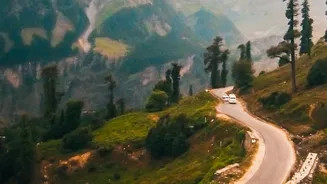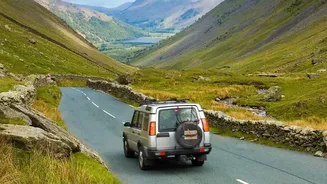





Tired of the usual weekend haunts? A scenic drive to Bhatghar Dam offers a refreshing escape into history and nature, promising serene views and a glimpse into Maharashtra’s rich past, all just a short road trip away from Pune.
The Journey to Serenity
The road trip to Bhatghar
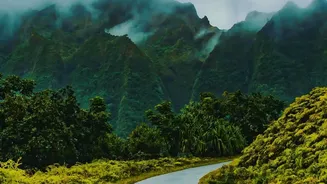
Dam is as much a part of the experience as the destination itself. Located approximately 50-60 kilometres south of Pune, the drive takes roughly an hour and a half to two hours, making it an ideal one-day excursion. The most common route takes you down the Pune-Bengaluru highway (NH 48). A right turn at Kapurhol leads you onto the quieter roads towards Bhor. The landscape quickly transforms from urban sprawl to rolling green hills and rustic countryside, especially during the monsoon and post-monsoon months when the scenery is at its most vibrant. The journey through the Katraj Tunnel and onto the winding roads sets a peaceful tone for the day ahead. Keep an eye out for local dhabas along the way, offering authentic Maharashtrian fare like pithla-bhakri for a true taste of the region.
A Monument of British-Era Engineering
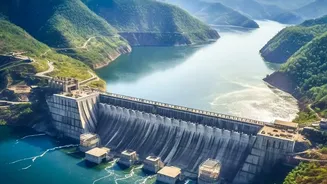
Bhatghar Dam, originally named Lloyd Dam, is one of the oldest dams in Maharashtra. Constructed by the British and completed in 1927, this gravity dam on the Yelwanti River is a formidable piece of engineering that has stood the test of time. At over 1,600 metres long and nearly 58 metres high, its scale is impressive. The dam is particularly known for its automatic sluice gates, which open on their own when the water level reaches capacity, creating a spectacular cascade that draws visitors, especially during a good monsoon season. The massive reservoir it creates serves the dual purpose of irrigation and hydroelectric power generation. Its historical significance and enduring functionality make it more than just a scenic spot; it's a living piece of the region's industrial heritage.
What to Do at the Dam
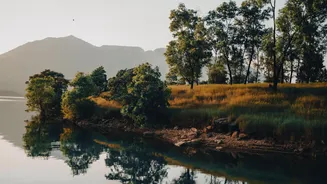
The area around Bhatghar Dam is a haven for those seeking tranquillity. The vast expanse of the backwaters against a backdrop of green hills offers countless opportunities for photography. The calm environment makes it a popular picnic spot for families and groups looking to spend a quiet day outdoors. While swimming near the dam wall is strictly advised against, you can often find a safe spot along the reservoir's edge to dip your feet in the cool water. Boating is sometimes available, and the area is also a good spot for birdwatching, with various species attracted to the large water body and surrounding flora. For the more adventurous, the surrounding hills offer simple trekking trails.
Explore the Royal Town of Bhor
A trip to Bhatghar Dam is incomplete without exploring the nearby historic town of Bhor, the former seat of a princely state. The town's primary attraction is the Bhor Rajwada, or Bhor Palace. Built in 1869, this grand structure showcases a unique blend of European Renaissance and traditional Indian architectural styles. Though a private property, its impressive facade and historical aura are worth admiring. The palace has also been a popular filming location for several Hindi and Marathi movies. Strolling through Bhor, you can also visit ancient temples and the serene ghats along the Nira River, absorbing the quiet, oldworld charm of the town.
Don't Miss Necklace Point
A short drive from the dam is another must_see viewpoint: Necklace Point. This stunning natural formation is created by a sharp, U_shaped bend in the river, which resembles a necklace from above. The view is particularly breathtaking during the monsoon season when the river is full and the surrounding landscape is a brilliant green. Easily accessible from the main road, it’s a quick stop that offers a massive scenic payoff and is a favorite among photographers. The convergence of the Nira and Gunjawani rivers at this spot creates a truly memorable panorama.
Planning Your Visit
The best time to visit Bhatghar Dam and its surroundings is during the monsoon (June to September) and post_monsoon months (October to February). During this period, the reservoir is full, the hills are lush, and the weather is pleasant. It's advisable to carry your own water and snacks, as facilities are limited, though you will find some small food stalls near key points like Necklace Point. Wear comfortable, sturdy shoes, especially if you plan to walk around or explore. Before you go, it's always a good idea to check locally about access to any dam wall itself, as it can sometimes be restricted.