

Embrace the Artful Lean
One of the easiest and most sophisticated ways to display items without hardware is to simply lean them. This works especially well for larger pieces that can make a real statement. Think oversized framed art, a tall floor mirror, or even a decorative
screen resting against a living room or bedroom wall. The look is intentionally casual yet incredibly chic, giving your space a relaxed, gallery-like vibe. This technique doesn't just save your walls; it offers flexibility. If you decide to rearrange your furniture, you can move your art just as easily, no patching required. Try it on a mantelpiece, a console table, or directly on the floor for a high-impact, low-commitment display.
Master the Art of the Surface
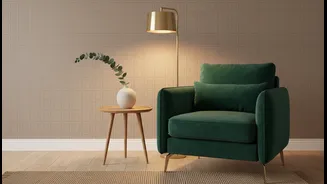
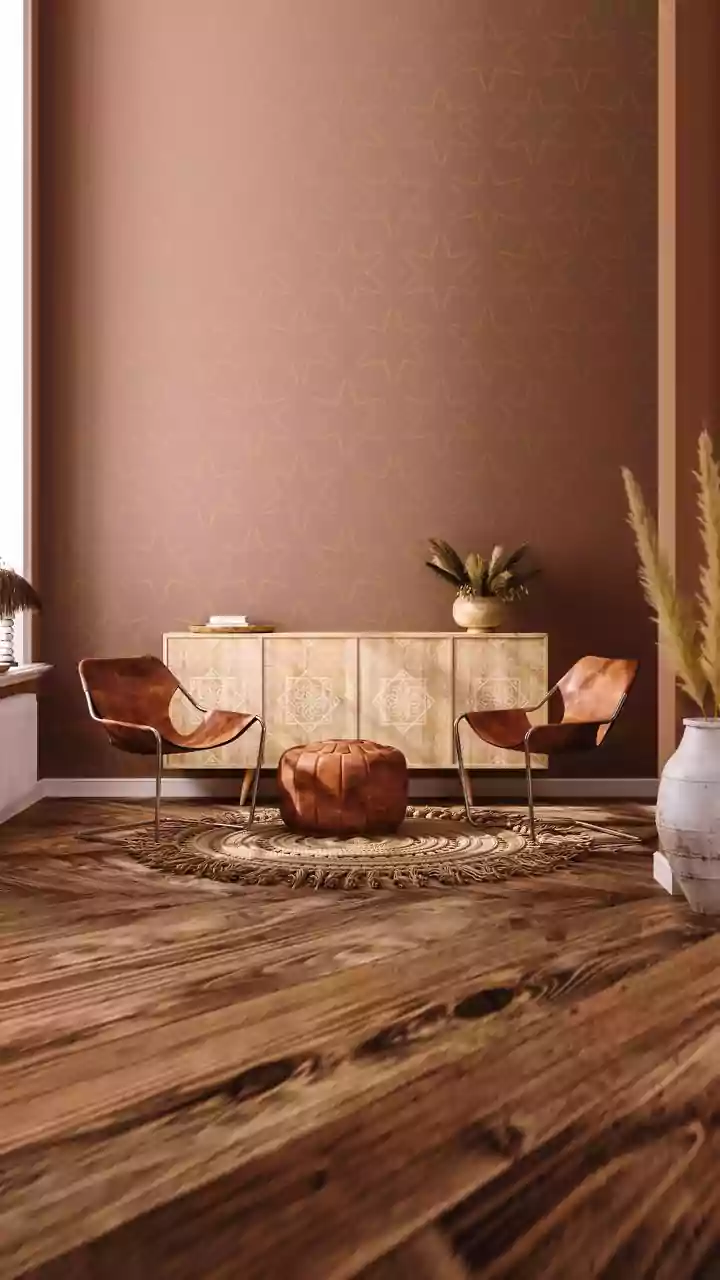
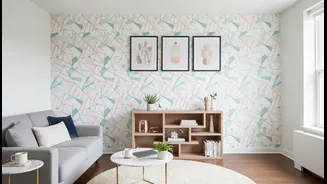
Your home is already full of surfaces waiting to be styled: sideboards, bookshelves, coffee tables, and nightstands are all blank canvases. The key to a collected feel is intentional grouping. Instead of scattering small items, gather them into curated vignettes. A popular designer trick is to style in odd numbers, like groups of three or five, which is visually more appealing. Use a tray to corral objects on a coffee table—perhaps a candle, a small plant, and a stack of books. This creates a contained, deliberate arrangement that prevents the surface from looking cluttered. Remember to mix heights, shapes, and textures to add depth and interest. A tall lamp, a round bowl, and a rectangular book create a dynamic and balanced display.
Go Vertical with Freestanding Furniture
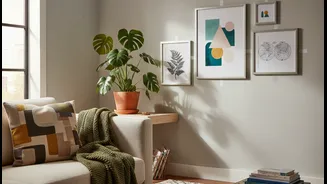
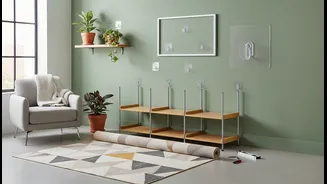
Instead of drilling to install floating shelves, invest in furniture that provides vertical display space. Leaning ladder shelves are aesthetically pleasing and perfect for holding books, plants, and decorative objects. A tall, open-sided bookcase, often called an étagère, offers a light, airy way to showcase your treasures without overwhelming a room. These pieces act as architectural elements themselves, drawing the eye upward and providing ample opportunity for styling. You can dedicate shelves to specific collections—like vintage ceramics or a series of family photos in matching frames—to create a powerful visual statement. They are especially useful in rental properties where altering walls is not an option.
Leverage Textiles for a Softer Touch
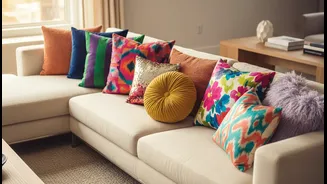
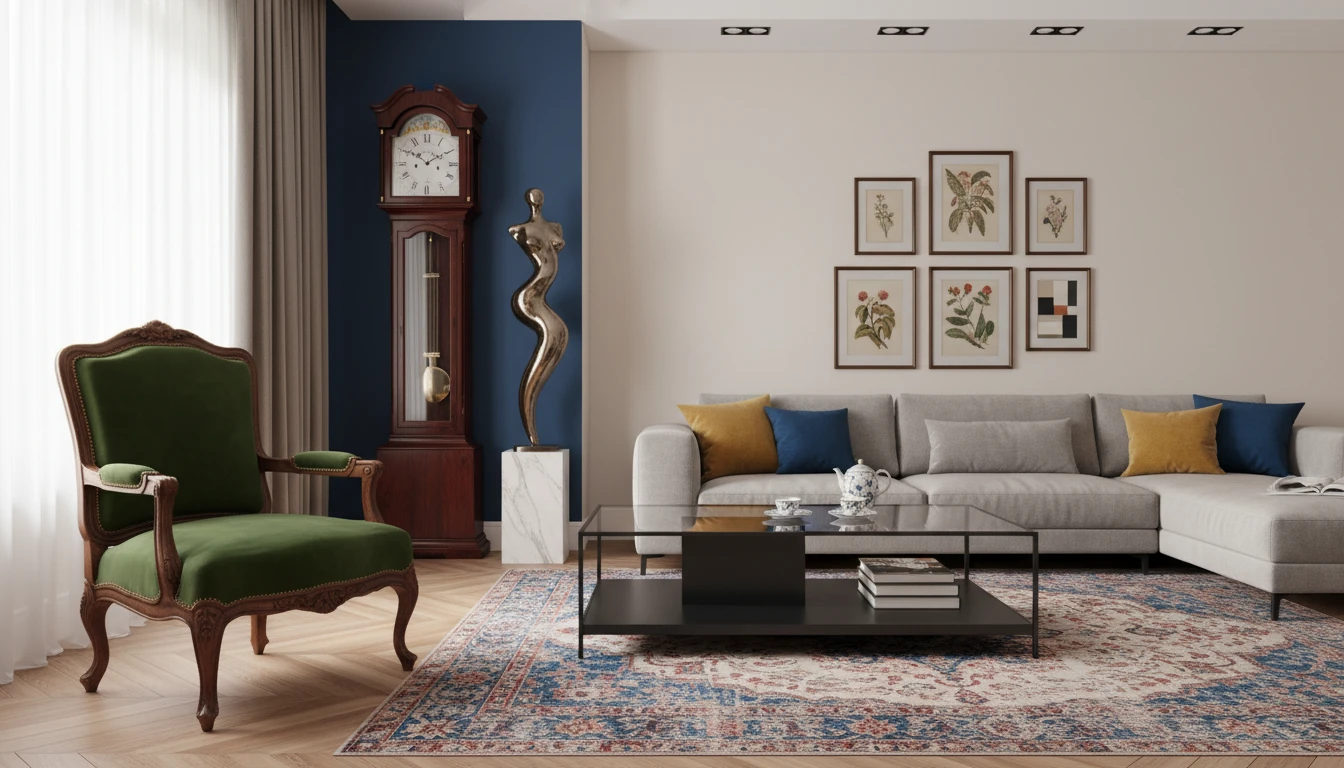
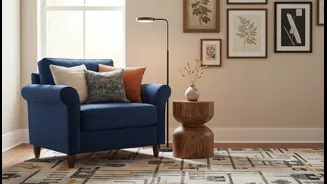
Don't underestimate the power of textiles to add colour, pattern, and warmth to a room. A large, beautiful tapestry or a lightweight macrame wall hanging can cover a significant amount of blank wall space and can often be hung from a single, discreet adhesive hook. You can also use tension rods—which require no drilling and rely on spring pressure—to hang curtains in doorways or windows, adding privacy and a soft textural element. Even the strategic placement of a large area rug can define a space and introduce a strong design motif, anchoring the entire room without a single nail.
Think Beyond the Hammer and Nail
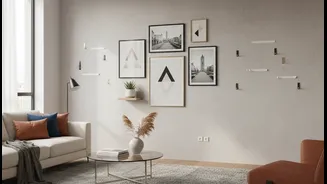
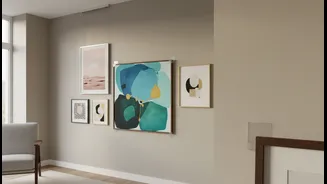
When you do need to hang smaller, lightweight items, modern technology offers a wealth of damage-free solutions. Heavy-duty adhesive strips and hooks have improved significantly and can hold surprisingly heavy framed art and mirrors when used correctly. The trick is to check the weight capacity and follow the removal instructions carefully to ensure your paint stays on the wall. For more playful displays, consider using washi tape to create colourful, temporary frames around posters or postcards. There are even adhesive nails that can be stuck to the wall to hang small frames, giving the look of a traditional nail without the hole.