








Beyond the Blender: A New Era
For decades, the Indian kitchen was a testament to durable, functional appliances. The pressure cooker, the mixer-grinder, and the humble gas stove were the undisputed workhorses. But a significant shift is underway. The market for kitchen appliances is evolving
from being purely functional to embracing sophisticated, intelligent technology. This isn't just about adding a digital display; it's about integrating AI and IoT to create a seamless, connected ecosystem. Market reports indicate substantial growth, with the smart kitchen appliance market in India projected to expand significantly, reaching billions of dollars by the early 2030s. This signals a move toward appliances that do more than just cook or cool—they think, assist, and learn.
What's Driving the Smart Kitchen Boom?
Several socio-economic factors are fuelling this transformation. Rapid urbanisation has led to more compact living spaces and busier, time-pressed lifestyles, particularly in dual-income households. This has amplified the demand for convenience and efficiency. Furthermore, rising disposable incomes and a growing middle class mean more consumers can invest in premium, tech-driven products. Increased internet penetration and the proliferation of smartphones have also made the concept of a connected home more accessible than ever. Consumers are no longer just buying a gadget; they are investing in a lifestyle that promises simplicity, health, and modernity, often influenced by global trends and a desire for enhanced home security and management.
The Tech on the Table
So, what does this 'serious' tech look like? It's a suite of appliances that communicate with each other and with you via your smartphone. Smart refrigerators can now manage inventory, track expiry dates, and suggest recipes based on their contents. Multi-functional smart ovens and air fryers come with pre-programmed settings for Indian dishes like 'Tandoori Chicken', and can be controlled by voice commands through Alexa or Google Assistant. Brands are also introducing smart dishwashers with programs specifically designed for Indian cooking utensils, like the 'Intensive Kadhai' mode. Even chimneys are getting smarter, with app-controlled, filterless models that offer auto-cleaning functions. These innovations are geared towards solving practical problems, from reducing oil consumption to saving energy.
More Than Just Gadgets
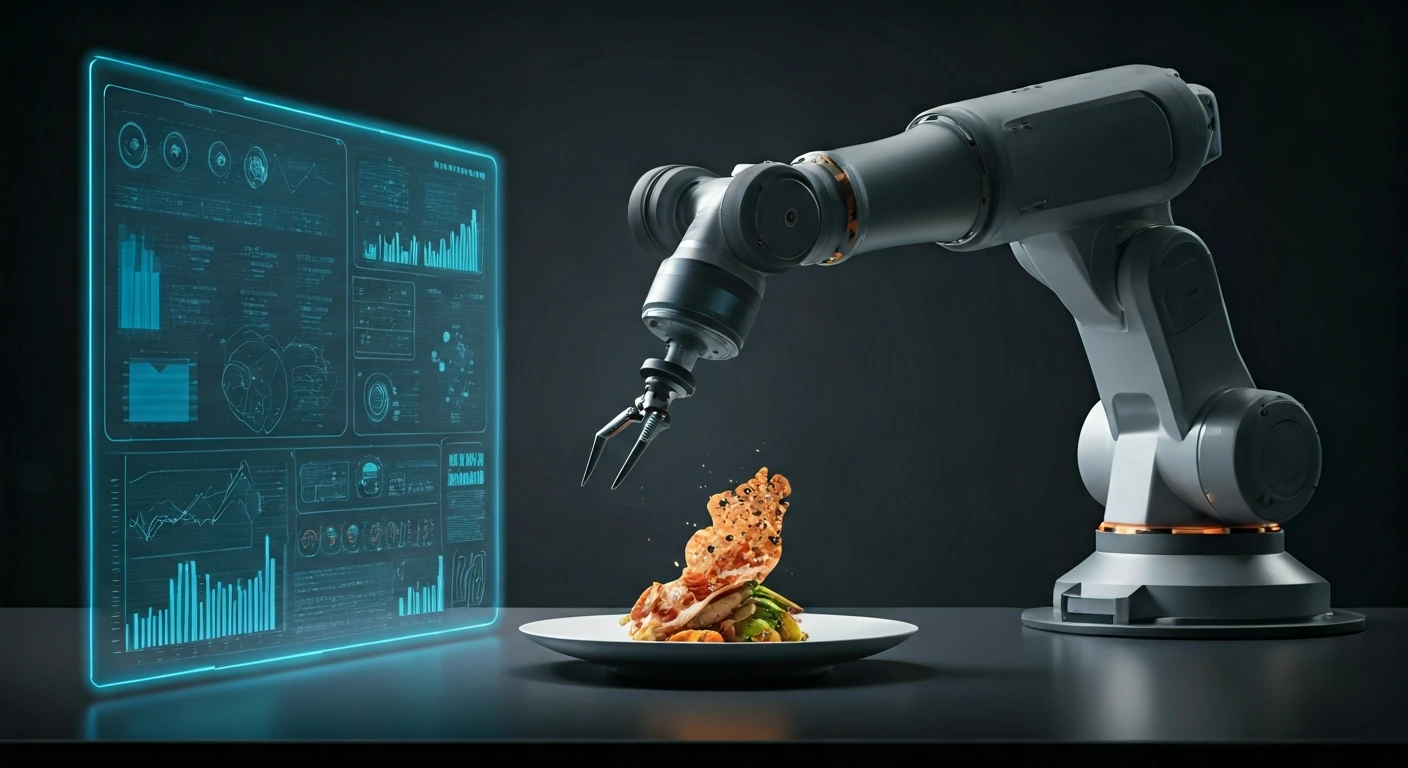
The adoption of this technology is about more than just convenience; it’s changing the very culture of cooking. AI-powered cooking assistants can automate chopping, sautéing, and stirring, freeing up time for other tasks. This technology demystifies complex recipes and encourages experimentation, making cooking less of a chore and more of a creative process. For health-conscious consumers, smart appliances offer precision. Air fryers provide a low-oil alternative for traditional snacks, while AI ovens ensure food is cooked perfectly without becoming dry. The kitchen is transitioning from a purely functional area to a smart, interactive space that reflects the aspirations of a modern, tech-savvy India.
Challenges and the Road Ahead
Despite the rapid growth, the path to a fully smart kitchen in every Indian home has its hurdles. The high cost of premium appliances remains a significant barrier for many. Concerns about data privacy, the need for a stable internet connection, and a potential learning curve for less tech-savvy users are also factors. However, the trend is clear. As technology becomes more affordable and consumers increasingly prioritize convenience and wellness, the smart kitchen market is set for continued expansion. Manufacturers are responding by innovating and tailoring products specifically for Indian needs, ensuring that this technological wave is not just a fleeting trend but a fundamental shift in how India cooks.