


First, What Is El Niño?
El Niño is the warm phase of a natural climate pattern called the El Niño-Southern Oscillation (ENSO). In simple terms, it involves the unusual warming of the sea surface in the central and eastern Pacific Ocean. This isn't just a local event; the Pacific is so
vast that this warming weakens the normal east-to-west trade winds, shifting rainfall patterns and atmospheric circulation across the globe. These events occur irregularly, typically every two to seven years, and their strength can vary significantly.
The Current 2026 Forecast
Meteorological agencies, including the World Meteorological Organization (WMO), have confirmed that a strong El Niño event is not just likely but already underway. Forecasts indicate that this El Niño is expected to peak in strength between November 2026 and January 2027. Some have even labelled it a 'super' El Niño, with a high probability of it becoming one of the strongest events since 1950. This event is predicted to persist into the early months of 2027 before conditions potentially transition to neutral.
Why India Watches El Niño Closely
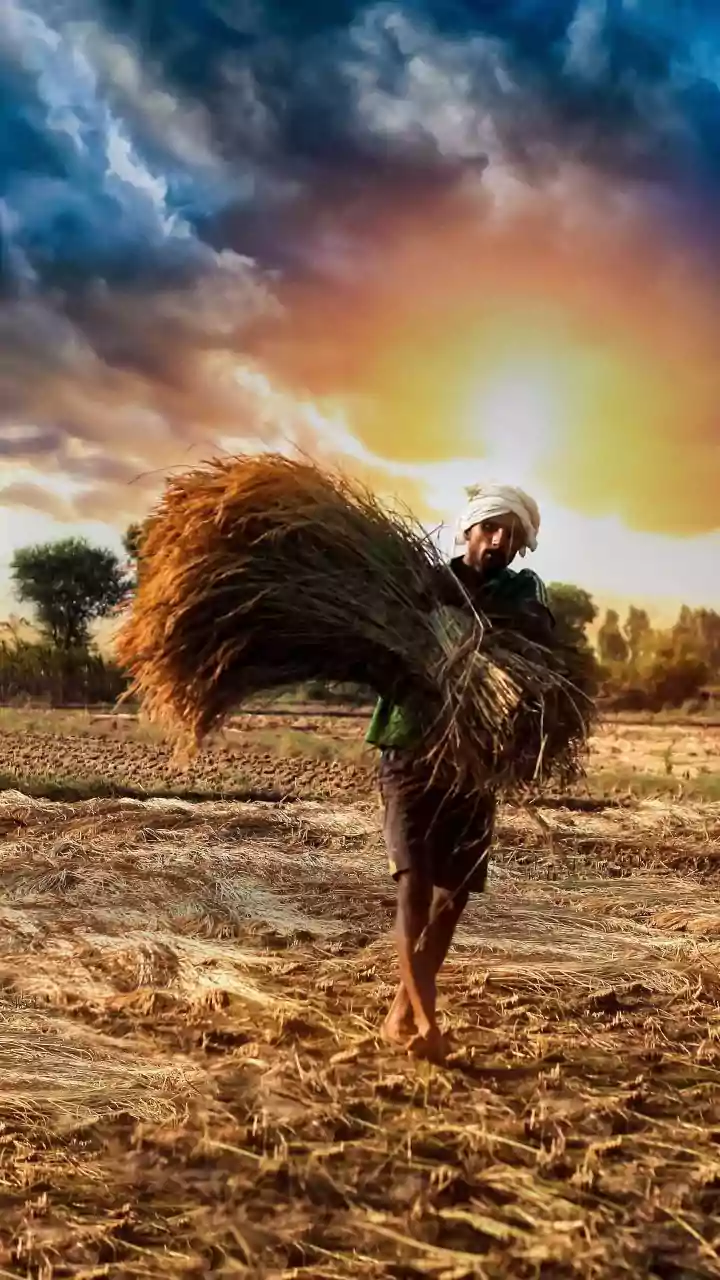
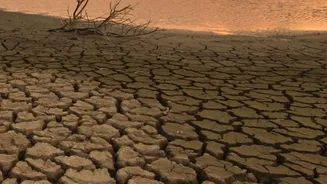
For India, El Niño's most significant impact is on the Southwest Monsoon, which is the lifeline for the country's agriculture-dependent economy. Historically, El Niño years are often associated with weaker monsoons and below-average rainfall. The 2026 southwest monsoon has already shown signs of this, recording a significant rainfall deficit. This directly affects the sowing of rain-fed Kharif crops, strains water reservoirs, and can lead to agricultural distress. While the relationship isn't a perfect one-to-one correlation—other factors like the Indian Ocean Dipole can play a role—a strong El Niño significantly increases the risk of drought-like conditions in many parts of the country.
More Than Just Monsoon Worries
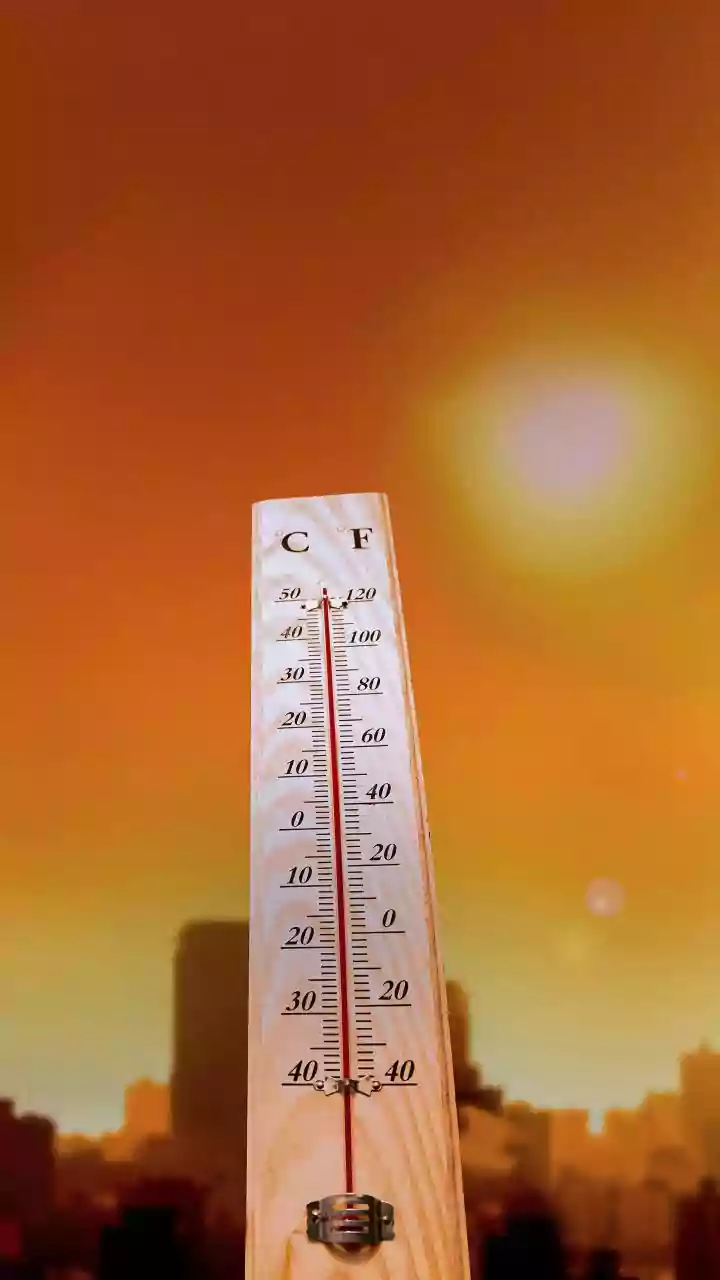
The impact of El Niño extends beyond just the monsoon season. Forecasters are also concerned about an increased likelihood of above-normal temperatures, leading to more frequent and intense heatwaves. These hotter, drier conditions can increase the demand for power, reduce output from hydropower, and affect the subsequent Rabi (winter) crop season due to low soil moisture. A report highlighted that India already faced extreme weather on 92% of the days in the first nine months of 2026, causing significant loss of life and damage to crops. An intensified El Niño could exacerbate this trend, contributing to everything from drinking water shortages to challenges for coastal fishing communities due to marine heatwaves in the Indian Ocean.
From Forecast to Preparedness
While the forecasts sound concerning, their primary purpose is to serve as an early warning, enabling better preparedness. For farmers, this means following advisories from local agricultural departments and the India Meteorological Department (IMD) on crop choices and water conservation techniques. For government bodies, it involves contingency planning for potential water shortages, managing food stocks to control inflation, and ensuring disaster response teams are ready. While El Niño presents a formidable challenge, it is a known climate pattern. Informed decision-making, based on scientific forecasts rather than alarmist labels, is key to mitigating its potential damage across various sectors.