

The perfect window covering is an unsung hero of home design, letting in cheerful daylight while keeping your space private. But how do you get the best of both worlds? Here's a breakdown of popular options to help you choose.
Blinds: The Adjustable Classic
Window blinds, with their
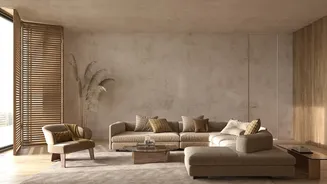
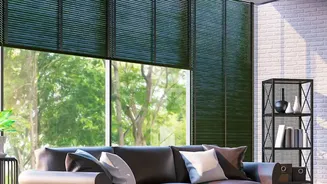
horizontal or vertical slats, are masters of precision. Their biggest advantage is unparalleled light control; you can tilt the slats to redirect harsh glare, cast a soft glow, or close them completely for privacy. Available in materials like wood, faux wood, and aluminum, they are durable and relatively easy to clean, making them a practical choice for high-traffic areas or humid rooms like kitchens and bathrooms. While they offer excellent privacy when tilted, they don't provide the total light blockage that some other options do, as small amounts of light can seep between the slats. For this reason, they are a great functional choice for home offices and living areas where light redirection is key.
Shades: Soft, Stylish, and Seamless
Unlike blinds, window shades are made from a single, continuous piece of fabric. This gives them a softer, more streamlined appearance. The category is vast, including roller, Roman, cellular, and woven wood styles. Their effectiveness for privacy and light control depends entirely on the fabric's opacity. Sheer shades gently filter light but offer minimal privacy, while blackout fabrics can provide complete darkness, making them ideal for bedrooms. Cellular shades, also known as honeycomb shades, have the added benefit of trapping air in their pockets, which provides insulation and can improve energy efficiency.
Curtains and Drapes: The Layering Champions
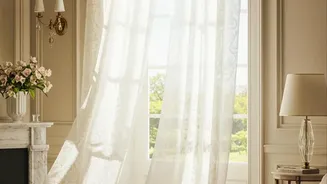
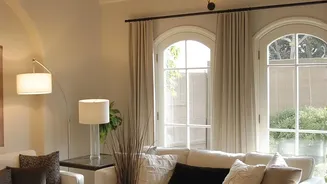
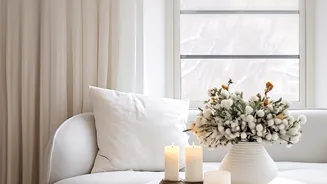
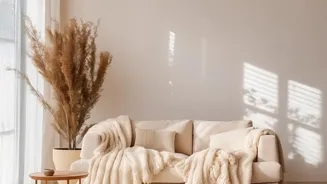
Curtains and drapes offer a level of softness, texture, and style that hard window treatments can't match. They range from light and airy sheer curtains that diffuse sunlight beautifully to heavy, lined drapes that offer maximum privacy and light control. Their true power lies in layering. Pairing a functional shade or blind with decorative curtain panels allows you to create a versatile system. For example, you can keep a light-filtering shade down during the day for privacy and draw heavy curtains at night for total darkness. This approach solves the light-versus-privacy dilemma by giving you a dedicated tool for each job.
Top-Down, Bottom-Up: The Best of Both
For the ultimate flexibility, consider top-down, bottom-up shades. This innovative design allows you to lower the shade from the top, raise it from the bottom, or position it anywhere in between. This means you can let natural light stream in through the upper part of your window while keeping the lower portion covered for privacy from street-level views. It’s an ideal solution for street-facing bedrooms, bathrooms, and living rooms where you want to feel connected to the outdoors without feeling exposed. This feature is available on many types of shades, including cellular and Roman styles.
Smart Technology: Automation for Light and Privacy
The latest evolution in window coverings is motorization and smart automation. Smart blinds and shades can be controlled with a remote, an app, or even your voice. More importantly, they can be programmed to adjust automatically throughout the day. Imagine your shades lowering on west-facing windows during the hot afternoon sun to save energy, or closing automatically every evening for privacy. This technology removes the daily task of adjusting your window treatments and ensures your home is always perfectly balanced for comfort, efficiency, and security. Smart features can be added to many types of shades, offering the ultimate in convenience.