


The Crucial Second Half
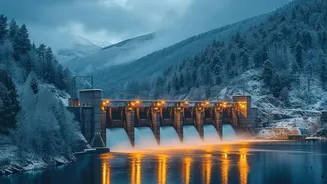
The Southwest Monsoon is the lifeblood of India, and the months of August and September are make-or-break for the country's water supply. While June and July kickstart the season, the second half is when the nation's vast network of reservoirs is typically
topped up, ensuring water availability for drinking, agriculture, and industry through the long dry season. A strong performance in these months can secure a city’s water supply, while a weak one can spell months of rationing and stress. This is why civic bodies and citizens alike watch the India Meteorological Department's (IMD) late-season forecast with keen interest. It’s the closest thing we have to a crystal ball for our water future.
A 'Below Normal' Outlook
For August and September 2026, the IMD has predicted that rainfall for the country as a whole is likely to be 'below normal'. This is attributed to the strengthening of El Niño conditions in the equatorial Pacific, a phenomenon often linked to weaker monsoon rains in India. While the forecast notes that some parts of Peninsular, Central, and Northwest India may see normal to above-normal rainfall, the overall picture suggests a subdued end to the monsoon. After a July that saw a recovery in rainfall in many parts of the country, this forecast has put state governments and municipal corporations on alert. The outlook also suggests that maximum temperatures are expected to be above normal in most parts of the country.
The Reservoir Report Card
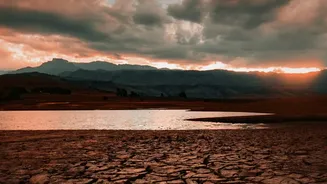
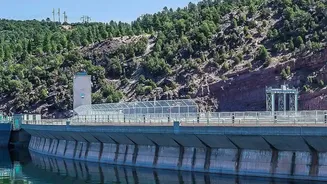
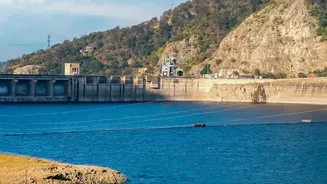
The IMD's forecast is just one part of the equation; the other is the current status of our reservoirs. The picture here is mixed. For Mumbai, consistent rains in July and early August have brought reassuring news. The seven lakes that supply the city are at a comfortable 90% of their total capacity as of early August, a level higher than the same period last year. This puts the city in a strong position. However, the situation in South India is more precarious. Tamil Nadu, for instance, has been facing a monsoon deficit, with many of its major dams holding significantly less water than normal for this time of year. The state government has already announced emergency funds to tackle the growing water scarcity. This highlights how national averages can mask severe regional disparities.
From Dam to Tap
So how does a 'below normal' forecast translate into action? Municipal corporations, like Mumbai's BMC or Chennai's Metrowater, use IMD forecasts and real-time reservoir data to create detailed water management plans. These plans involve a delicate balancing act. Officials must ensure there is enough water to last until the next monsoon, which can be nearly ten months away. If reservoir levels are healthy, like in Mumbai, the supply can remain stable. However, if levels are low and the forecast is poor, civic bodies must make difficult decisions. This can include implementing water cuts, where the duration or frequency of water supply is reduced. They also focus on reducing water loss from leaks and may appeal to the public to conserve water. These strategies are designed to stretch the existing supply and avoid a more severe crisis later.
What This Means For You
For residents of a city like Mumbai, the healthy lake levels mean there is little immediate cause for concern, though conservation is always wise. For those in cities like Chennai, the situation is more serious. The below-normal rainfall predicted for the rest of the season could exacerbate the current water stress, making it crucial to follow advisories from the local water board. Regardless of the forecast, the direct line from rainfall to reservoir levels and finally to the water in our homes serves as a powerful reminder of our dependence on the monsoon. It underscores the importance of both large-scale water management and individual responsibility in conserving this precious resource. Paying attention to municipal alerts and practicing simple water-saving habits can make a collective difference, whether the forecast is for floods or droughts.