






Choose Your Operator Wisely
Your first step to a sustainable trip happens before you even leave home. Opt for tour operators, resorts, and homestays that publicly commit to eco-friendly practices. Look for establishments that use solar power, practice rainwater harvesting, and have
effective waste management systems. The administration encourages a model of “low-volume, high-value” tourism to minimize environmental strain. By choosing providers who respect these principles, you directly support the local economy and conservation efforts designed to protect the very beauty you’ve come to see.
Go Plastic-Free and Manage Waste
Plastic pollution is a significant threat to Lakshadweep’s marine life. Recent studies have highlighted an alarming presence of marine litter, with plastic being the dominant pollutant. Be a part of the solution by avoiding single-use plastics. Carry a reusable water bottle, cloth bags for shopping, and your own cutlery. Many islands lack robust landfill facilities, so minimizing the waste you create is crucial. Whatever you bring to the islands, be prepared to take it back with you to the mainland for proper disposal, ensuring you leave no trace behind.
Respect Marine Life: Look, Don’t Touch
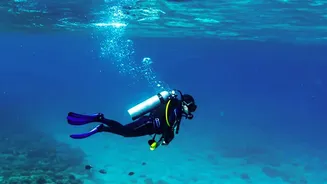
The coral reefs are living, breathing organisms and are incredibly fragile. When swimming, snorkelling, or diving, maintain a safe distance and never touch, stand on, or kick the corals. Even a slight touch can damage their delicate membrane, exposing it to infection and causing irreparable harm. Similarly, do not harass or feed marine animals, as it disrupts their natural behaviours. Picking or collecting corals and shells is a punishable offence; these are not souvenirs but essential parts of the ecosystem. Your camera is the only thing you should be taking from the reef.
Pack Reef-Safe Sunscreen
While protecting your skin from the sun is important, many common sunscreens contain chemicals like oxybenzone and octinoxate, which are known to be harmful to corals, contributing to bleaching and disrupting their reproductive cycles. An estimated 14,000 tons of sunscreen wash into our oceans annually. To mitigate this, choose mineral-based, biodegradable, reef-safe sunscreens. An even better alternative is to cover up with UV-protective clothing like long-sleeved rash guards, which reduces the amount of sunscreen needed and provides reliable protection.
Conserve Precious Resources
Freshwater is a limited and precious resource on the islands. Be mindful of your consumption by taking shorter showers and ensuring taps are turned off when not in use. Many eco-conscious accommodations have implemented systems to conserve water, and your cooperation is vital. Similarly, electricity is often generated through solar power or, in some cases, diesel generators. Conserve energy by switching off lights, fans, and air conditioning when you leave your room. These small acts collectively reduce the environmental footprint of your stay.
Embrace and Respect Local Culture
Sustainable tourism isn't just about the environment; it’s also about respecting the local community and its culture. Lakshadweep has a unique social fabric, and visitors are encouraged to be mindful of local customs. Dress modestly when visiting inhabited areas away from the tourist beaches. Always ask for permission before taking photographs of residents. Support the local economy by purchasing authentic handicrafts and dining at local eateries. Engaging with the community respectfully enriches your travel experience and ensures tourism benefits the people who call this paradise home.