





The Monsoon Gut Challenge
August in India, largely dominated by the monsoon, brings high humidity and dampness. This weather doesn't just affect our mood and environment; it has a direct impact on our digestive system. The body's metabolism tends to slow down as it works harder
to cool itself, diverting energy away from digestion. This sluggishness can lead to common issues like bloating, acidity, gas, and a general feeling of heaviness. Furthermore, the increased moisture in the air creates an ideal breeding ground for harmful bacteria, which can increase the risk of stomach infections and food poisoning if food and water are not handled hygienically. This combination of a slower metabolism and a higher risk of bad bacteria makes maintaining gut balance particularly challenging.
Probiotics: The Gut's Friendly Army
This is where probiotics come in. Think of your gut as a bustling community of trillions of microorganisms, both good and bad. Probiotics are the 'good guys' – live beneficial bacteria that, when consumed in adequate amounts, help restore and maintain a healthy balance in this internal ecosystem. They work by crowding out harmful bacteria, supporting the gut lining, aiding in the breakdown of food, and enhancing nutrient absorption. A well-balanced gut microbiome is crucial not just for digestion but also for a strong immune system, as a significant portion of our immunity resides in the gut. During the monsoon, when the system is under stress, a steady supply of these friendly microbes can be a game-changer.
Liquid Gold: Chaas and Lassi
India's traditional cuisine is rich with natural probiotic sources, and two of the most accessible are Chaas (buttermilk) and Lassi. Chaas, a thin, savoury drink made from yogurt, water, and spices like cumin and ginger, is a digestive superstar. It's light, hydrating, and packed with lactic acid bacteria that soothe the stomach lining, reduce acidity, and prevent bloating. The spices often added to chaas are digestive aids in their own right. Lassi, its thicker, creamier cousin, is also a potent probiotic source derived from yogurt. It promotes the growth of healthy gut flora, helps in the smooth functioning of the digestive tract, and provides a substantial dose of calcium and protein. Both these drinks are not just refreshing in the humid weather but actively work to repopulate your gut with the beneficial bacteria it needs to stay balanced.
The Pungent Power of Pickles
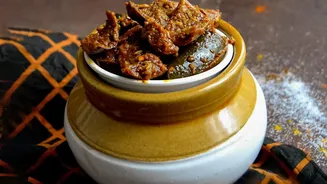
When we talk about probiotics, pickles (achaar) might not be the first thing that comes to mind, but traditional Indian pickles are a fermented powerhouse. The key is in the preparation: authentic, sun-fermented pickles made without vinegar rely on salt and sunlight to encourage the growth of beneficial Lactobacillus bacteria. This natural fermentation process transforms vegetables and fruits into a condiment teeming with probiotics. These pickles not only add a burst of flavour to a meal but also introduce digestive enzymes that help break down food more efficiently. Spices used in pickles, like turmeric, mustard seeds, and asafoetida (hing), also have anti-inflammatory and digestive properties. A small spoonful with your meal can stimulate digestion and support your gut microbiome.
Restoring Harmony in Your Gut
So, how does it all come together? During the challenging August weather, your digestive fire (or 'Agni,' as Ayurveda calls it) is naturally weaker. Introducing probiotic-rich foods like chaas, lassi, and traditional pickles provides your gut with reinforcements. These good bacteria combat the sluggishness caused by humidity and help counteract the potential overgrowth of harmful microbes. They aid in breaking down food that a slower metabolism might struggle with, reducing the chances of bloating and indigestion. By soothing the stomach lining, these foods can also provide relief from acidity, a common complaint during this season. Essentially, they act as a balancing force, ensuring your digestive system remains efficient and resilient despite the external weather conditions.