




Why November is Different
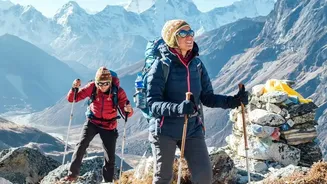
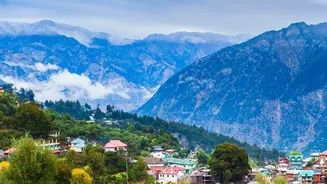
November is a prime month for trekking in the Himalayas. The monsoon season has passed, leaving stable, dry weather and unparalleled mountain views. However, it's the tail-end of autumn, meaning temperatures are dropping, especially at night and at higher
elevations. Daytime temperatures can be mild and pleasant for hiking, but the nights turn cold. This combination of cold and altitude puts extra stress on the body. Your preparation must account for not just the lower oxygen levels, but also the energy required to stay warm and navigate potentially frosty trails.
Understanding the Altitude Challenge
As you ascend above 2,500 metres (about 8,200 feet), the air pressure drops. While the percentage of oxygen in the air remains the same, the lower pressure means you get fewer oxygen molecules with each breath. This is called hypoxia. Your body works harder to compensate, leading to increased breathing and heart rate. For the unprepared, this can lead to Acute Mountain Sickness (AMS), with symptoms like headaches, nausea, dizziness, and fatigue. It's crucial to understand that fitness alone does not grant immunity to AMS; even elite athletes can suffer if they ascend too quickly.
Building Your Cardio Engine
Your trek preparation should start at least 8 to 12 weeks in advance. The cornerstone of your training is cardiovascular endurance. Your goal is to improve your body's ability to use oxygen efficiently (your VO2 max). Activities like running, swimming, or cycling are excellent. Aim for 30-60 minute sessions, four to five times a week. The key is sustained effort rather than short bursts of intensity. You should be able to maintain a pace where you can hold a conversation. Crucially, incorporate hill training. Find steep trails, long flights of stairs, or set a treadmill to a high incline to simulate the constant climbing of a Himalayan trek.
Strength for Stability and Endurance
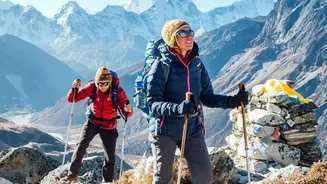
While cardio is king, strength training is essential for preventing injury and managing the load of a daypack over many days. Focus on your legs, core, and back. Your legs will be doing the climbing and, just as importantly, managing long descents which can be tough on the knees. Incorporate squats, lunges, and step-ups into your routine. A strong core—strengthened with exercises like planks and leg raises—will improve your balance on uneven terrain and help you carry your pack without straining your back. Practice hiking on uneven ground with a weighted backpack (starting with 6-8 kg) to get your body used to the specific demands of the trail.
The Golden Rule: Acclimatize Slowly
No amount of pre-trip training can replace proper acclimatization on the trail. This is the most critical factor for a safe and enjoyable trek. The golden rule is to 'climb high, sleep low', which involves hiking to a new altitude during the day and then descending slightly to sleep. A common guideline is to avoid increasing your sleeping altitude by more than 300-500 metres per day once you are above 2,500 metres. Plan extra rest days in your itinerary, especially at key altitude milestones. Stay well-hydrated, drinking several litres of water a day, and maintain a diet rich in carbohydrates. Listen to your body and never ascend further if you are experiencing symptoms of AMS.