


The Digestibility Dilemma
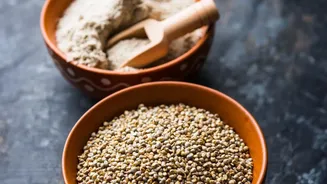
Many people who try millets complain of bloating or a heavy feeling. This isn't because millets are inherently hard to digest, but because they contain natural compounds called anti-nutrients, most notably phytic acid. Found in the outer layer of grains,
phytic acid can bind to minerals like iron, zinc, and calcium in your gut, preventing your body from absorbing them effectively. It can also interfere with the enzymes needed for digestion, leading to discomfort. However, traditional Indian cooking has long held the solutions to this problem, turning these hardy grains into soft, nourishing, and easily digestible meals.
Soaking: The Essential First Step
The simplest and most crucial step in preparing millets is soaking. Traditionally, no millet was cooked without being soaked for at least a few hours. Soaking does two wonderful things. First, it triggers the activation of an enzyme called phytase, which begins to break down the problematic phytic acid. This process significantly reduces the anti-nutrient content, making the minerals within the millet more bioavailable for your body to absorb. Second, it softens the grain and its dense fibre, which not superbly cuts down on cooking time but also makes the final dish much gentler on the stomach. Soaking for 6-8 hours is a non-negotiable step to unlock millet's full potential.
Sprouting: Activating a Nutritional Powerhouse
Sprouting takes the benefits of soaking to the next level. When a soaked grain begins to germinate, it undergoes a dramatic transformation. The sprouting process drastically reduces anti-nutrients while simultaneously increasing the levels of vitamins like Vitamin C and B-complex. It also breaks down complex proteins and starches into simpler forms, essentially 'pre-digesting' the grain for you. This makes sprouted millets incredibly easy on the digestive system and enhances nutrient absorption even further. The process also changes the flavour, reducing any bitterness and lending a slightly sweet, nutty taste to the grain, making it more delicious.
Fermentation: A Gut-Friendly Boost
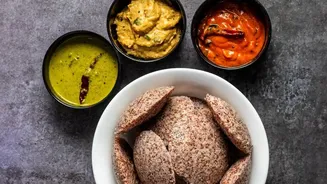
Fermentation is another ancient technique used to transform millets into a digestive superfood. Think of traditional dishes like millet dosas, idlis, or fermented porridges like ragi ambali. During fermentation, beneficial microbes (probiotics) break down carbohydrates and proteins, making the millet incredibly easy to digest and reducing the chances of gas or bloating. These probiotics also contribute to a healthy gut microbiome, which is linked to better immunity and overall wellness. Fermentation not only enhances digestibility but also creates complex, tangy flavours that make dishes like millet dosas and porridges so satisfying.
Roasting and Cooking Method
Beyond preparation, the cooking method itself plays a role. Dry roasting millets before boiling them can deepen their natural nutty and earthy flavours, making them far more aromatic and appealing. This step is common in many traditional recipes. Furthermore, slow-cooking millets, whether in a pressure cooker or a pot, ensures that the complex carbohydrates and fibres are fully broken down. Rushing the cooking process can result in a gritty texture and a heavier meal. Cooking with adequate water and allowing the millet to rest, covered, after cooking helps soften the starches, resulting in a fluffier, lighter grain that is much more pleasant to eat and digest.