

What is Arrowroot?
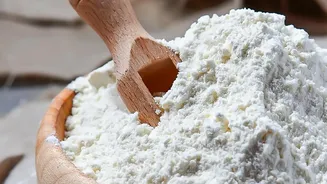
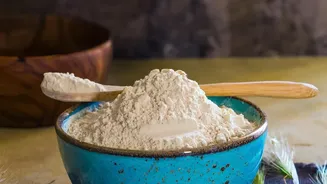
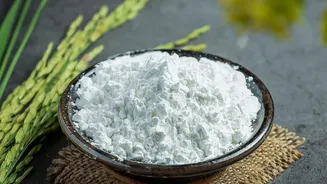
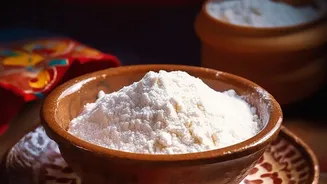
Often sold as arrowroot powder or starch, arrowroot flour is a fine, white powder extracted from the rhizomes of the Maranta arundinacea, a tropical plant. The extraction process is traditionally done without high heat or harsh chemicals, making it a less
processed option compared to some other starches. Naturally gluten-free, grain-free, and paleo-friendly, arrowroot is celebrated for being easily digestible. Its flavour is completely neutral, which means it can thicken a dish without altering its taste.
Arrowroot vs. Cornstarch
While cornstarch is a common kitchen staple, arrowroot has several distinct advantages. It creates a beautiful, clear, and glossy finish, whereas cornstarch can sometimes leave sauces looking cloudy or opaque. Arrowroot also freezes and thaws exceptionally well, making it ideal for batch-cooked meals that will be stored. Furthermore, it holds up well in acidic ingredients like citrus or tomato-based sauces, a situation where cornstarch can sometimes struggle. However, it's best to add arrowroot at the end of the cooking process, as prolonged heat can cause it to lose its thickening power. It's also worth noting that arrowroot does not combine well with dairy, as it can result in a slimy texture.
1. Silky Vegetable Soup
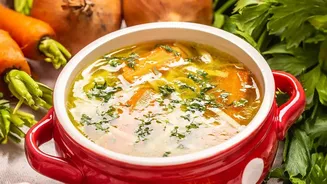
One of the simplest ways to use arrowroot is to thicken soups. To avoid clumps, always create a 'slurry' first by mixing the arrowroot powder with a small amount of cold water until smooth. For one cup of soup, start with about one tablespoon of arrowroot mixed with two tablespoons of cold water. Stir the slurry into your simmering soup just before serving. It will thicken quickly without needing to be boiled, resulting in a smooth, velvety texture that doesn’t mute the soup's fresh flavours.
2. Glossy Sweet and Sour Sauce
Arrowroot is the secret to achieving that signature glossy sheen found in many East Asian sauces. Its ability to tolerate acidic ingredients makes it perfect for sweet and sour or citrus-based glazes. For a quick sauce, combine your ingredients (like pineapple juice, soy sauce, rice vinegar, and sugar) and bring them to a simmer. While it heats, make a slurry with two teaspoons of arrowroot and a tablespoon of cold water. Whisk the slurry into the simmering sauce and cook for about 30 seconds, or until it has thickened to your desired consistency and looks beautifully clear.
3. Classic Vanilla Pudding
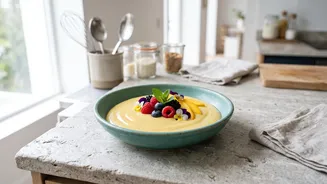
For a simple dessert, arrowroot makes an incredibly smooth and creamy pudding. Since arrowroot can react poorly with dairy, it's often best paired with plant-based milks like coconut or almond milk for puddings. In a saucepan, whisk together two cups of plant-based milk, a quarter cup of sugar, and three tablespoons of arrowroot powder. Heat gently over medium-low heat, stirring constantly until the mixture thickens into a pudding-like consistency. Remove from the heat and stir in vanilla extract. This dessert can be enjoyed warm or chilled.
4. Crisp Gluten-Free Cookies
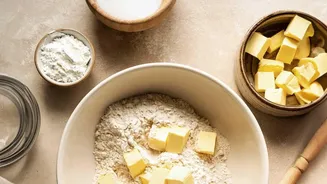
Beyond thickening, arrowroot flour is a fantastic ingredient in gluten-free baking. When combined with other gluten-free flours like almond or coconut flour, it helps lighten the texture, providing crispness and structure. For simple shortbread-style cookies, you can cream together half a cup of butter and half a cup of sugar. Then, mix in one cup of a gluten-free flour blend that includes half a cup of arrowroot powder. The dough can be rolled out and cut into shapes or formed into balls and flattened. A short bake at around 175°C (350°F) will yield light, crisp cookies perfect for an afternoon snack.
5. Perfect Fruit Pie Filling
Runny fruit pies are a common baking frustration, but arrowroot provides an excellent solution. It thickens fruit fillings without making them cloudy, allowing the vibrant colour of the berries or cherries to shine through. For a standard pie, toss about six cups of fresh or frozen fruit with one cup of sugar and a quarter cup of arrowroot powder. The arrowroot will create a stable, clear gel as the pie bakes, ensuring every slice holds its shape beautifully. Because it doesn't have a starchy taste, the pure flavour of the fruit remains the star of the show.