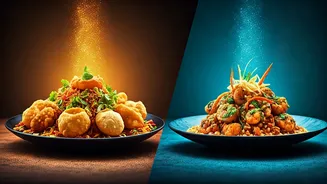





The Contenders: Two Cities, Two Culinary Souls
To understand the food of Delhi and Mumbai is to understand their distinct identities. Delhi’s culinary scene is a rich tapestry woven with centuries of history, most notably the opulent legacy of the Mughal Empire. This is a city where food is often
an event, a leisurely affair steeped in tradition. The cuisine is unapologetically rich, favouring complex spice blends, creamy gravies, and slow-cooked meats that speak of royal kitchens and grand feasts. Mumbai, on the other hand, tells a story of speed, migration, and coastal living. Its food is built for a city that never sleeps—quick, convenient, and bursting with a cosmopolitan mix of flavours from communities across India, especially from Gujarat and the coast, along with a significant Parsi influence. Here, the food culture was shaped by mill workers needing affordable, sustaining meals, giving birth to quick-eats designed for a life on the move.
Street Food: The Heartbeat on a Plate
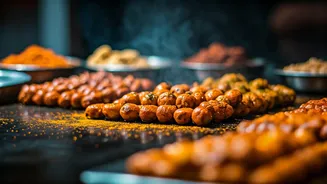
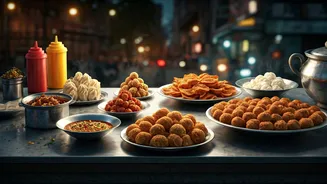
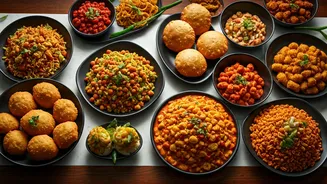
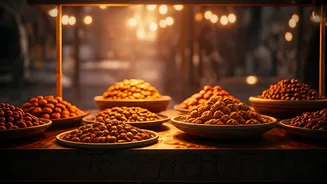
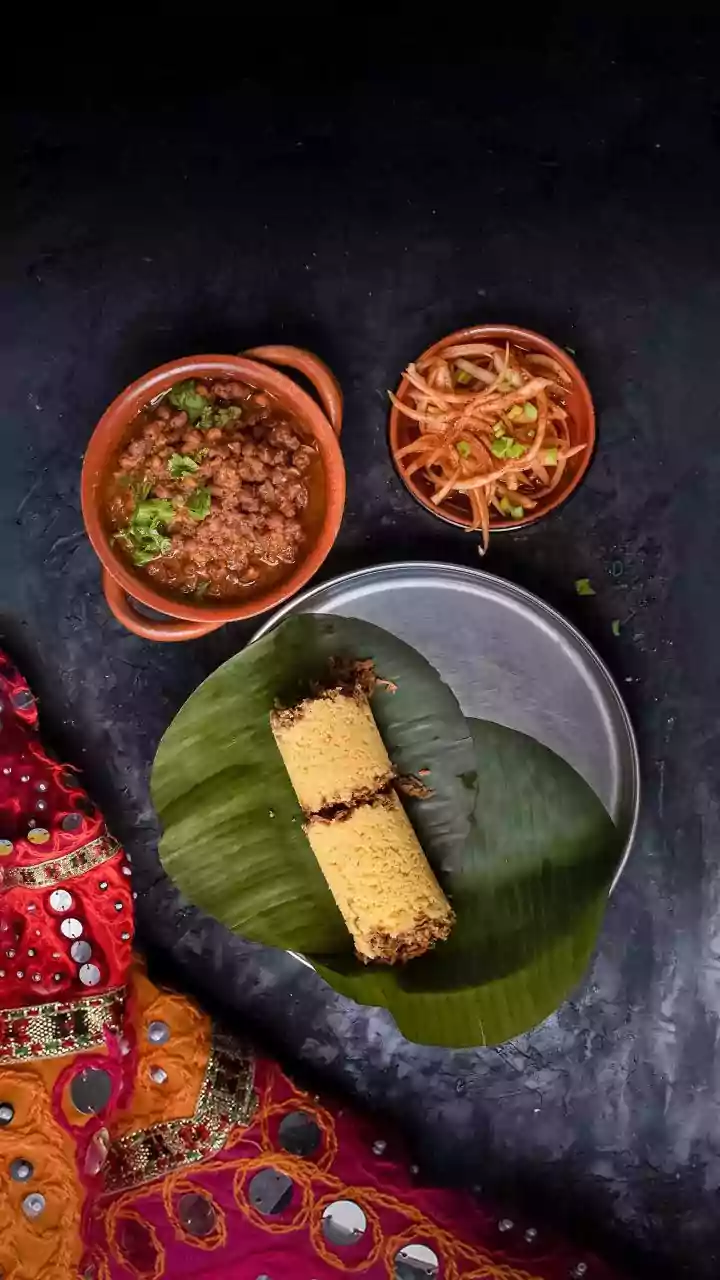
The true essence of this rivalry lives on the streets. Delhi’s street food is a flavour bomb—bold, dramatic, and deeply satisfying. Think of the fluffy, gigantic Chole Bhature from places like Sita Ram Diwan Chand, the crisp Aloo Tikki smothered in yogurt and tamarind chutney, and the legendary stuffed parathas of Paranthe Wali Gali. Delhi's chaat is an art form, a messy, glorious explosion of textures and tastes. Mumbai counters with its own brand of understated genius. The undisputed king is Vada Pav, a spicy potato fritter in a soft bun that embodies the city's working-class spirit. It’s a snack that’s over in five bites but leaves a lasting impression. Then there’s the buttery Pav Bhaji from seaside stalls at Juhu or Chowpatty, the tangy crunch of Bhel Puri, and the comforting Misal Pav—each dish a masterclass in accessible, addictive flavour. While Delhi's street food is a soulful indulgence, Mumbai's is a delicious, efficient fuel that keeps the city running.
Heritage and History: Mughals vs. Migrants
Digging deeper, each city's heritage kitchens tell different stories. Delhi’s culinary history is dominated by its Mughal and North Indian roots. Dishes like Nihari, a slow-cooked meat stew once served for breakfast in royal courts, and succulent kebabs grilled over open fires, are central to its identity. Establishments like Karim's, with ancestral links to Mughal royal cooks, are institutions that preserve these centuries-old recipes. Mumbai's heritage is a melting pot. The iconic Parsi cafes, like Britannia & Co., are living museums serving a unique blend of Persian and Gujarati cuisine, with beloved dishes like Salli Boti and Berry Pulao. This cuisine, brought by Zoroastrian immigrants from Persia, adapted to local ingredients, incorporating coconut and coastal seafood. The city's food has also been shaped by Maharashtrian traditions and countless other communities that made Bombay their home, creating a diverse and ever-evolving culinary landscape.
Fine Dining: The New Frontier
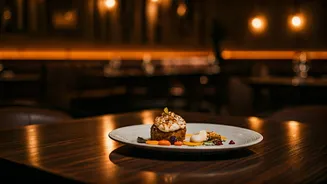
While the street food war rages, a quieter but equally intense battle is being fought in the world of fine dining. Both cities are now firmly on the global culinary map. Mumbai appears to have an edge in recent international rankings. On the Asia's 50 Best Restaurants 2026 list, Mumbai's Masque ranked #15 and was named the Best Restaurant in India. The extended list also featured Mumbai's Papa's and The Table. Delhi was represented by Inja, a unique Indo-Japanese concept. The Michelin Guide, while not officially in India, has awarded stars to overseas branches of restaurants with outposts in both cities. Mumbai is home to Trèsind, whose Dubai counterpart holds three Michelin stars, and Ziya, helmed by the first Indian chef to receive a star. Delhi boasts its own heavyweights like Indian Accent, which has a globally celebrated inventive approach to Indian food, and Dum Pukht, known for its royal Mughlai cuisine. This modern stage shows both cities pushing the boundaries of Indian food with flair and creativity.