



Understanding September's Weather
September is an underrated month for travel in India. The peak monsoon rains have often passed in many regions, but the landscape remains at its most vibrant. This period is known as the retreating monsoon, where rainfall becomes less intense and more
sporadic across the northern and central parts of the country. However, it doesn't mean the end of rain altogether. Some southern and northeastern states may still experience significant showers, and the risk of cyclones along the east coast begins to rise. According to the India Meteorological Department's outlook for 2026, rainfall is expected to be varied, with some areas receiving normal to above-normal rain. This makes checking local forecasts just before you travel more important than ever.
Go Green: The Best Regions to Visit
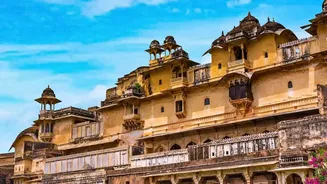
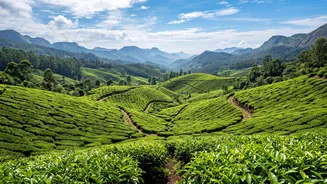
With the rains subsiding, many destinations are at their picturesque best. Rajasthan, for instance, sheds its arid image for a brief period of lushness; places like Bundi and Udaipur are particularly beautiful, with their lakes and stepwells full. Spiti Valley in Himachal Pradesh becomes fully accessible as roads dry up, offering clear skies for stargazing. In the south, hill stations like Ooty and Munnar are draped in vibrant green, with waterfalls like Pykara in full flow. For nature lovers, Maharashtra's Kaas Plateau is a must-see, as over 850 species of wildflowers come into bloom, creating a colourful carpet across the landscape. It’s also a great time to visit Kerala, as the intensity of the rain lessens, making the backwaters calm and inviting.
Caution Zones: Where to Be Careful
While September opens up many possibilities, some regions require caution. The Himalayan states of Uttarakhand and Himachal Pradesh can still be vulnerable to landslides caused by late-season rains. Key tourist routes in areas like the Kullu-Manali corridor and around Darjeeling can face disruptions. Similarly, parts of the Northeast, like Assam and Meghalaya, may still experience heavy rainfall leading to potential floods. It is advisable to avoid landslide-prone ghat sections in the Western Ghats, particularly in parts of Kerala and Karnataka. Always check for local advisories from disaster management authorities before heading to hilly or remote regions.
Your Pre-Booking and Packing Checklist
Smart planning is key to a successful September holiday. Before you book flights and hotels, monitor the weather forecast for your chosen destination. Opt for flexible booking options with clear cancellation policies in case the weather takes a turn. On the road, drive slowly on wet roads, and avoid travelling at night during heavy rain. When packing, prioritise quick-dry clothing over heavy fabrics. A lightweight raincoat, waterproof footwear, and a waterproof cover for your backpack are essential. Also, carry a basic first-aid kit with medicines for common ailments, and don't forget a powerful insect repellent, as the post-monsoon period can see an increase in mosquitoes.