




The Opportunity: Convenience Meets Nutrition
The primary appeal of a healthy meal subscription is undeniable: it saves time. For busy professionals and families, these services eliminate the daily grind of meal planning, grocery shopping, and ingredient prep. In India, where the concept is gaining
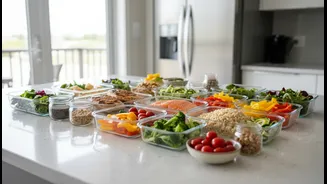
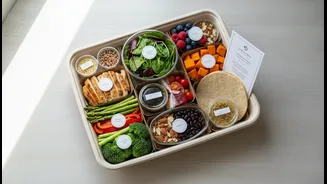
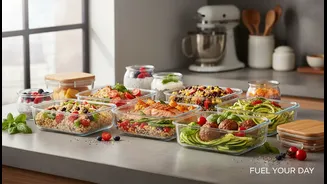
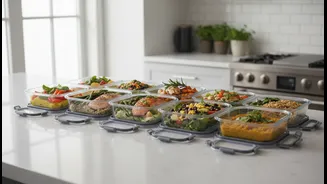
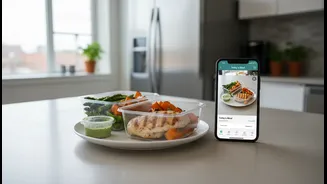
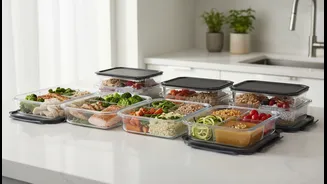
traction, this convenience is a major draw for those looking to avoid cooking after a long workday. Beyond just saving time, these services offer an opportunity to practice portion control, a factor many people find difficult when cooking at home. The pre-portioned ingredients or ready-to-heat meals help take the guesswork out of serving sizes, which can be a valuable tool for anyone managing their weight. They also introduce variety into your diet, allowing you to explore new cuisines and ingredients without committing to buying a full pantry of new items. Many services now employ dietitians to formulate balanced meals, catering to specific health goals like high-protein, low-carb, or even medically-advised diets for conditions like diabetes.
The Evidence: Do They Actually Work?
When it comes to health outcomes, the evidence is promising, particularly for weight management. Multiple studies have shown that using portion-controlled, pre-packaged meals can lead to greater weight loss compared to self-selected diets. One study found that participants using such meals were more likely to achieve a significant (5% or more) weight loss milestone. The structure of these plans eliminates calorie estimation errors and reduces decision fatigue, two common hurdles in maintaining a calorie deficit. However, it's important to note that not all meals are created equal. Some can be surprisingly high in sodium and preservatives to enhance flavour and shelf life, which can be a concern for those with high blood pressure or other health conditions. Experts advise consumers to always check the nutritional information for each meal. The biggest question is whether these subscriptions build lasting habits. For some, they can be an excellent introduction to cooking and healthy eating principles. But for others, there's a risk of dependency; once the subscription stops, old habits may return.
The Limits: Cost and Environmental Concerns
Despite the benefits, healthy meal subscriptions have significant limitations. The most obvious is cost. While they can be cheaper than ordering from restaurants, they are almost always more expensive than buying groceries and cooking from scratch. In a market like India, where fresh produce is often affordable and accessible, this price difference can be substantial. Another major concern is the environmental impact. Each subscription comes with a considerable amount of packaging, from cardboard boxes to plastic containers and freezer packs. While many companies are moving towards recyclable materials, the sheer volume of waste is a valid concern. However, some research offers a more nuanced view. A University of Michigan study found that meal kits could produce 33% fewer greenhouse gas emissions than store-bought meals, largely because the pre-portioned ingredients dramatically reduce household food waste. Ultimately, the environmental trade-off between less food waste and more packaging is complex.
The Verdict: A Tool, Not a Magic Bullet
So, are healthy meal subscriptions the right choice? The answer depends entirely on your lifestyle, budget, and goals. They are not a one-size-fits-all solution. For someone with a hectic schedule, a specific short-term health goal, or a desire to learn basic cooking skills, a meal subscription can be a powerful and effective tool. They offer structure, convenience, and a controlled environment to build initial momentum. However, they fall short in a few key areas. Most services are designed primarily for one or two meals a day, not your entire diet. The flavour profiles may be geared towards Western palates, which might not satisfy everyone in India. And for those who genuinely want to master cooking and develop long-term nutritional independence, relying solely on a subscription might be counterproductive. They provide the 'what' (the meal) but not always the 'how' (the underlying skills). Think of them as a helpful stepping stone rather than the final destination. They can kickstart a healthier routine, but lasting change still requires personal engagement and habit formation.