




An Erratic 2026 Monsoon Season
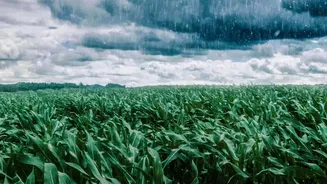
The 2026 southwest monsoon has been a story of inconsistency. After a weak start in June, a July revival was followed by another deficit in August. As of mid-September, the cumulative rainfall for the country remains significantly below the long-period
average, with a deficit of around 13-15%. The India Meteorological Department (IMD) has forecast that the monsoon will begin its withdrawal from west Rajasthan around September 19, slightly later than the normal date of September 17. However, this delay is unlikely to erase the deep rainfall deficits seen across many key agricultural states, particularly in the south, east, and northeast. This overall shortfall, influenced by a strengthening El Niño, has set a precarious stage for the post-monsoon period.
Why September's Rain Is So Critical
While the monsoon officially runs from June to September, the final month's rainfall is not just about topping up seasonal totals. Its primary importance lies in preparing the ground for the next major agricultural season: the Rabi crop cycle. This 'exit' rainfall is vital for recharging soil moisture, which is essential for the germination and early growth of winter crops sown from October onwards. Good September showers reduce the immediate need for pre-sowing irrigation, saving critical water resources. Conversely, a dry September can leave soils hard and arid, complicating field preparation and forcing farmers to rely more heavily on stored water from reservoirs.
Spotlight on the Rabi Season
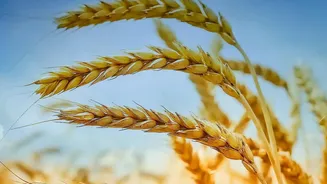
The Rabi season, which begins with sowing in October and November, is crucial for India's food security. The primary Rabi crops include wheat, the nation's main winter staple, along with barley, mustard, chickpeas (gram), and lentils (masur). The success of these crops is heavily dependent on two factors shaped by the monsoon: soil moisture at the time of sowing and the availability of water in reservoirs for irrigation throughout the winter. Wheat, in particular, requires significant water. Other crops like gram and mustard are comparatively less water-intensive but still depend on adequate initial soil moisture for a healthy start.
A Mixed Outlook for Water Reserves
The deficient monsoon has left India's water reservoirs in a weaker position than last year. As of mid-September, national water storage was about 7% below the normal level and over 20% lower than the same period in 2025. The situation is highly uneven across regions. While reservoirs in western and central India have recovered to near-normal levels, storage in the northern and southern regions remains a cause for concern. For example, key reservoirs in North India like Bhakra and Pong ended their filling season with water levels significantly below their full capacity and substantially lower than last year. This regional disparity means that while some states may have adequate water for Rabi irrigation, others, particularly in the south, will face significant challenges.
What It All Means for Farmers and Consumers
The current scenario presents a mixed and cautious outlook. The overall rainfall deficit and low reservoir levels in certain regions pose a risk to the upcoming Rabi sowing and final yields. Farmers in states with poor soil moisture and depleted reservoirs may need to shift to less water-intensive crops or invest more in irrigation, increasing their costs. Government support, including increased Minimum Support Prices (MSP) for Rabi crops for the 2026-27 marketing season, is in place to incentivise farmers. However, the final output will still hinge on weather conditions and water availability in the coming months. For consumers, a strained Rabi season could impact the supply of key food items like wheat and pulses, potentially keeping food inflation as a key economic monitorable in the near future.