


The Golden Hour: Your First Steps
The moment your produce box arrives is crucial. Instead of just putting everything in the fridge, take ten minutes to sort. This is the foundation of your use-first plan. Separate your vegetables into three main groups: delicate items that need to be
eaten in a day or two, sturdy vegetables that will last the week, and long-lasting produce like onions and potatoes. This initial sort makes it easy to see what needs your immediate attention and what can wait, preventing delicate items from getting lost and spoiling at the back of the fridge.
Handle Delicate Vegetables with Care
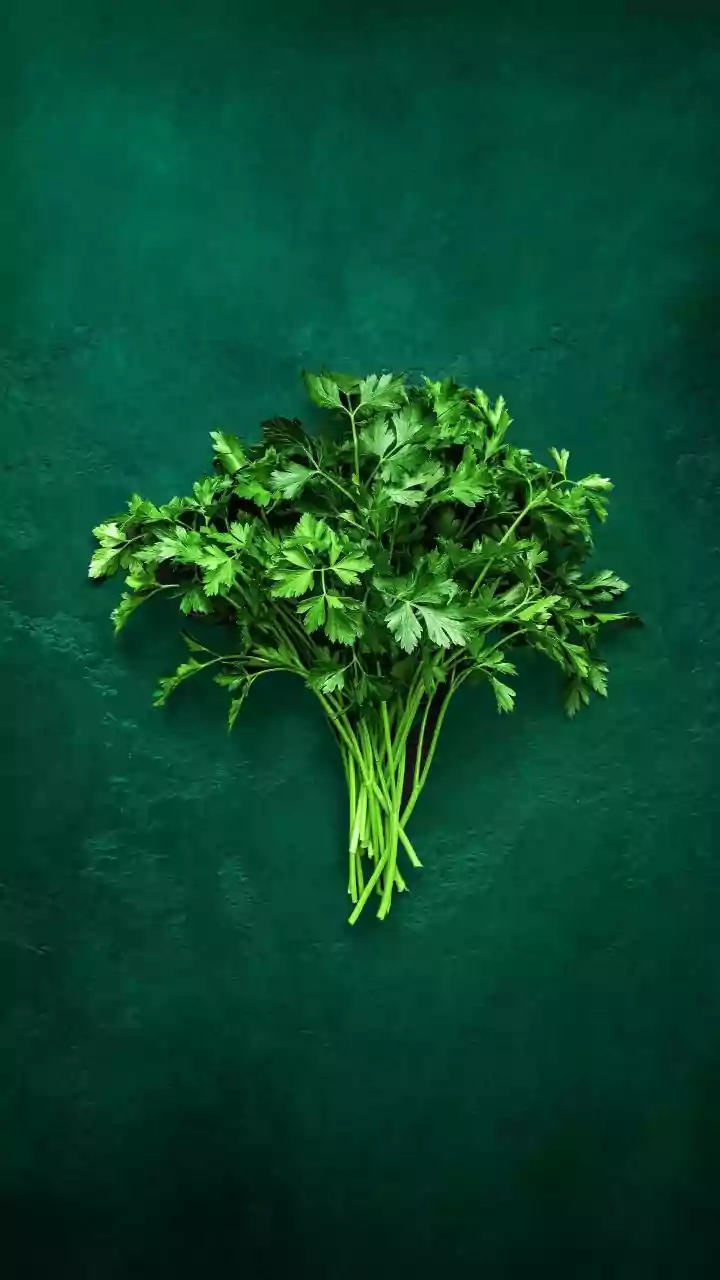
Delicate greens and herbs are often the first casualties of a produce box. Leafy greens like spinach, coriander (dhania), and mint wilt quickly due to moisture loss. To extend their life, avoid washing them until just before use. For items like coriander or parsley, you can trim the stems and place them upright in a jar with a little water, like a bouquet of flowers. For spinach and other leafy greens, wrap them loosely in a dry paper towel and store them in an airtight container or a sealed bag in the crisper drawer. This absorbs excess moisture that leads to sliminess while keeping them crisp.
Create a 'Use Me First' Zone
To make your strategy truly effective, dedicate a specific area in your refrigerator as the 'Use Me First' zone. This should be at eye level so you can't miss it. Use a clear, open container or just a designated shelf for this purpose. This is where you'll place your most delicate items, any leftover half-cut vegetables like onions or capsicum, and packs you've already opened. Seeing them all in one spot serves as a constant visual reminder of what needs to be cooked next. It takes the guesswork out of meal planning and ensures nothing gets forgotten until it’s too late.
The Strategy for Open and Cut Produce
Once you cut into a vegetable, its shelf life decreases dramatically. For leftover halves of onions, tomatoes, or lemons, store them in airtight containers. If you have a collection of small, leftover pieces—a bit of carrot, a few beans, half a bell pepper—don't let them languish. Chop them up together and store them in a container, ready to be thrown into a quick stir-fry, an omelette, or a pot of soup. This 'mixed-veg' container can be a lifesaver for busy weeknight meals and ensures even the smallest scraps are put to good use.
Smart Storage for Lasting Freshness
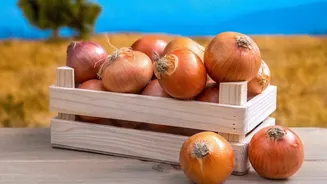
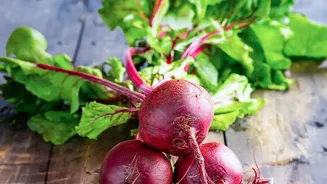
Proper storage is key to making your produce last. Most vegetables do best with high humidity, so use your refrigerator's crisper drawers. Keep fruits and vegetables separate, as many fruits release ethylene gas, which can cause vegetables to ripen and spoil faster. Hardier root vegetables like carrots and beets should have their green tops removed before storing, as the greens pull moisture from the root. Potatoes, onions, and garlic should be stored in a cool, dark, and dry place outside the refrigerator, but keep potatoes and onions separate as onions can cause potatoes to sprout.
Turn Leftovers into Meal Starters
Even with the best plan, you might find yourself with vegetables that are starting to look a little soft. This is your chance to get creative. Roasting can revive vegetables that are slightly past their prime, caramelising their sugars and deepening their flavour. A big batch of roasted vegetables can be used throughout the week in salads, pastas, or as a simple side dish. You can also simmer wilting vegetables and scraps like onion skins and carrot peels to create a flavourful homemade vegetable stock to use as a base for soups and curries.