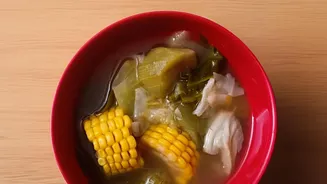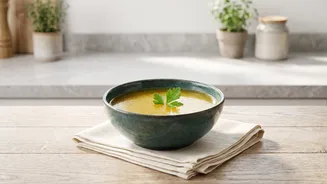


The Foundation: A Flavourful Scrap Broth
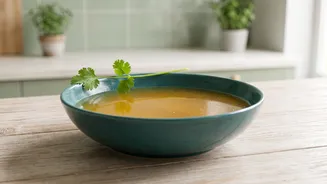
The secret to a great zero-waste soup starts with a rich, homemade vegetable broth. Instead of discarding peels and ends, start collecting them. Keep a large freezer bag or container and, as you cook, fill it with clean scraps. Good choices include the skins
and ends from onions and garlic, carrot peels, celery ends and leaves, and mushroom stems. These everyday scraps are packed with flavour that can be slowly simmered out to create a golden liquid base for any soup. To make the broth, simply place your frozen scraps (you'll want at least 4-6 cups worth) into a large pot and cover them with water. Bring it to a boil and then let it simmer for at least an hour, though longer is better for a deeper flavour. Once it’s done, strain the liquid, and your nutrient-rich stock is ready to use.
What to Use and What to Avoid
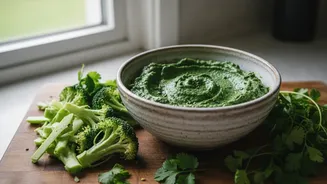
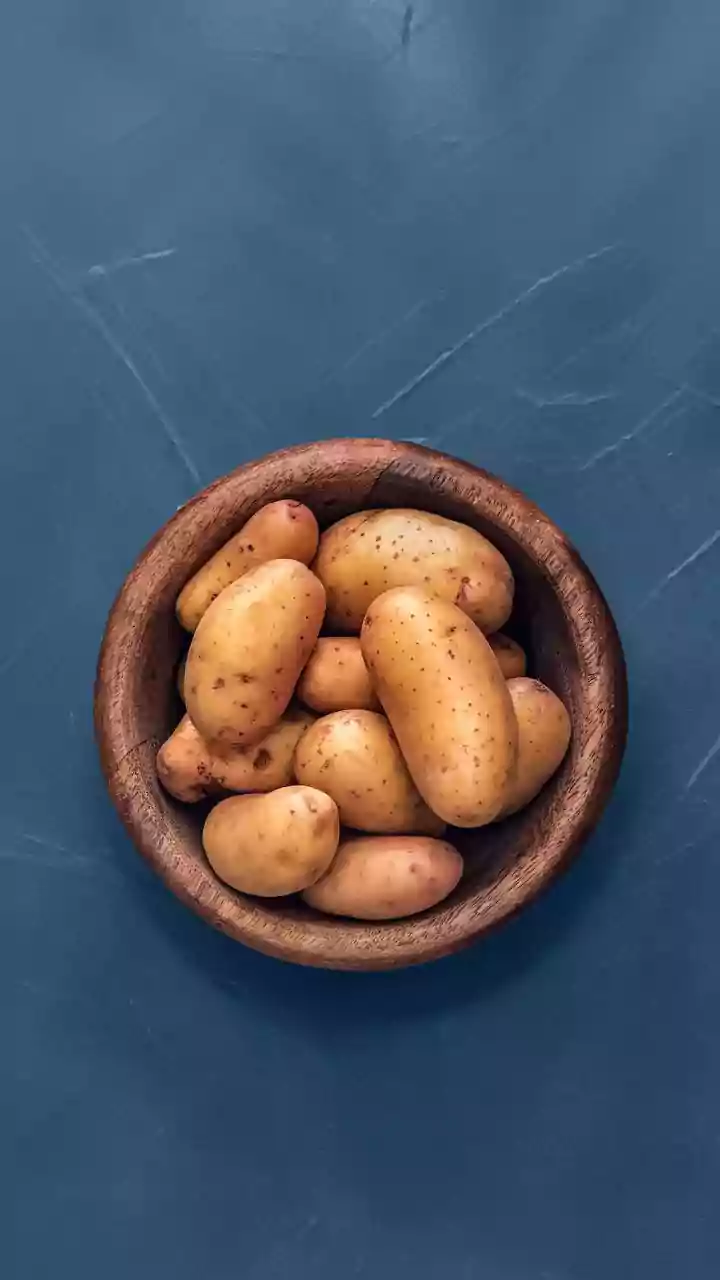
While many scraps are great for stock, some are best left for the compost. The peels from onions, carrots, parsnips, and even potatoes can add depth and sweetness. However, you should avoid using scraps from cruciferous vegetables like broccoli, cauliflower, cabbage, or kale stems, as they can make your broth bitter. Likewise, beet peels will turn your stock a deep red, which might not be what you want unless you're making borscht. Anything mouldy or rotten should always be avoided. A good rule of thumb is to focus on aromatic and sweet-tasting vegetables like the onion family, carrots, celery, and fennel to build a versatile and delicious base.
Harnessing the Power of Herb Stems
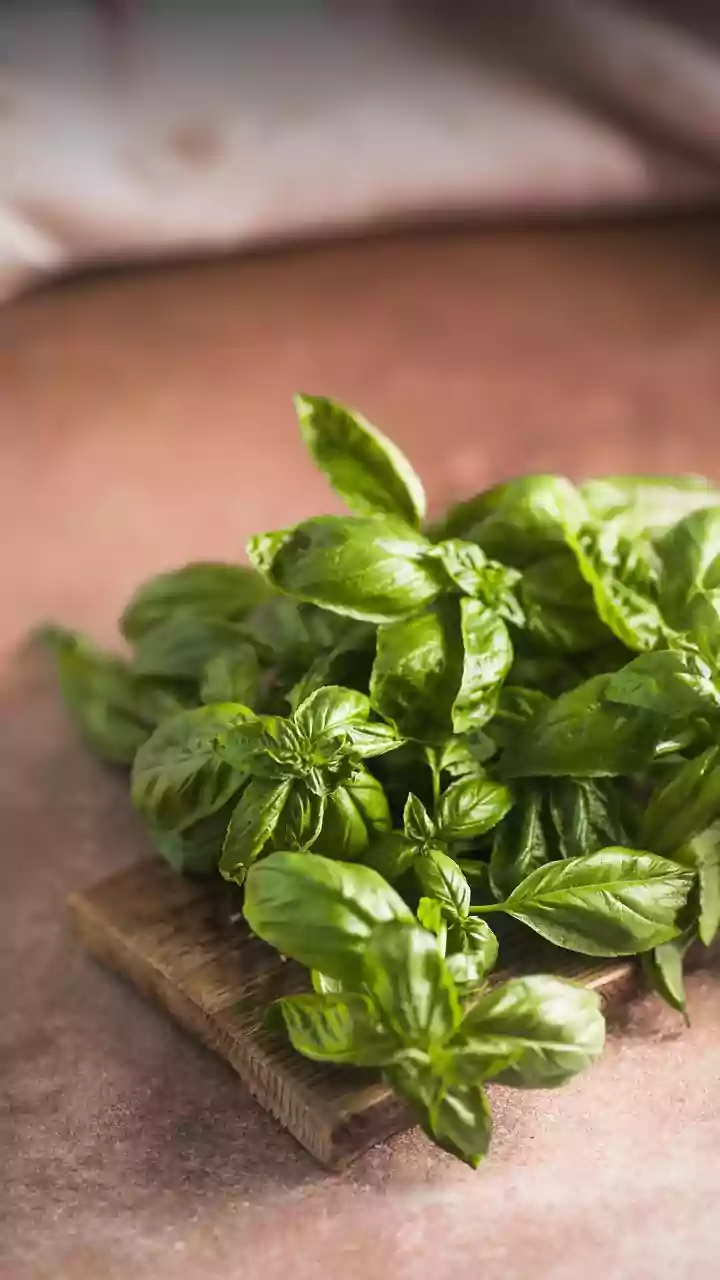
Don’t throw away the tough stems from fresh herbs like parsley, coriander, or dill. While you might not want to eat them raw, these stems are packed with the same aromatic oils found in the leaves. They are perfect for infusing flavour into your soup. You can add them directly to your vegetable scrap collection for making broth. Alternatively, tie a bundle of herb stems together with kitchen twine and drop them into your soup as it simmers, removing the bundle before serving. This technique, known as a bouquet garni, imparts a fresh, herbaceous background note that brightens the entire dish without adding unwanted texture.
The Magic of Stale Bread
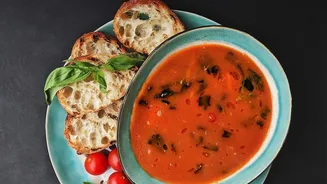
Stale bread is a classic ingredient in frugal cooking and a fantastic addition to soups. Far from being waste, it can provide body, texture, and heartiness. For a simple trick, you can blitz stale bread into breadcrumbs and stir them into a simmering soup to act as a natural thickener. For blended soups, just toss chunks of the bread directly into the pot. The bread will soften in the hot liquid and disintegrate completely when you use an immersion blender, creating a creamy texture without any cream. You can also make a classic Tuscan bread soup, like Pappa al Pomodoro or Ribollita, where stale bread is a star ingredient, soaking up the broth and turning into soft, delicious morsels similar to gnocchi.
Putting It All Together: Your Zero-Waste Soup
Creating your own zero-waste soup is more of a method than a strict recipe. Start by sautéing some base aromatics you have on hand, like chopped onion, garlic, or leeks. Add your homemade scrap broth and bring it to a simmer. Now, add whatever vegetables you need to use up from your fridge—diced carrots, potatoes, wilting greens, or leftover roasted vegetables. Season with salt, pepper, and your bundle of herb stems. Let everything simmer until the vegetables are tender. If you want a thicker, heartier soup, add your stale bread in the last 10-15 minutes of cooking. The result is a unique, delicious, and deeply resourceful meal made from ingredients that might have otherwise been thrown away.