





The Real Influencers: Common Deficiencies in India
While online influencers might promote exotic greens or collagen powders, the reality on the ground in India points to a different set of nutritional challenges. Widespread studies show a significant portion of the population grapples with deficiencies
in a few key micronutrients. Topping the list are Vitamin D, Vitamin B12, and iron. Despite abundant sunshine, modern indoor lifestyles mean up to 90% of Indians may have insufficient Vitamin D, which is crucial for bone health and immunity. Iron deficiency is another major concern, driving high rates of anaemia, especially among women and children. This is often due to dietary habits and the fact that some foods can block iron absorption. Similarly, Vitamin B12 deficiency is very common, particularly among the large vegetarian population, as its primary sources are animal products. These common gaps are far from the trendy supplements often marketed online, highlighting a major disconnect between what's popular and what's actually needed.
Your Plate Is Your Foundation
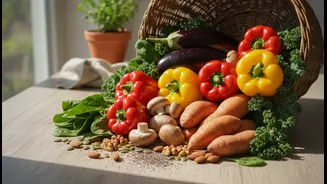
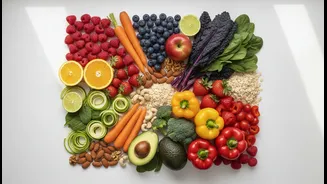
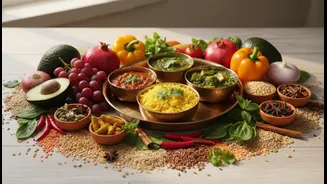
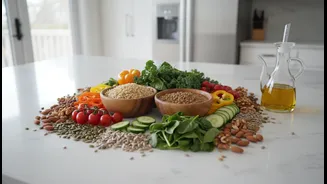
Before even considering a supplement, the first and most important place to look is your diet. Nutrients from whole foods are the body's preferred source. A balanced diet rich in fruits, vegetables, whole grains, and lean proteins provides a complex matrix of vitamins, minerals, and fibre that work together. However, your specific dietary pattern plays a huge role in your nutrient status. For instance, a strictly vegetarian or vegan diet requires careful planning to ensure adequate intake of Vitamin B12, iron, and calcium. Conversely, a diet high in ultra-processed foods can be stripped of essential nutrients like B vitamins, magnesium, and zinc, even if it's high in calories. This concept, often called 'hidden hunger', means you can be well-fed but under-nourished. The key takeaway is that supplements are meant to 'supplement' a diet, not replace the foundational benefits of nutritious food.
Bioavailability: It's Not What You Eat, It's What You Absorb
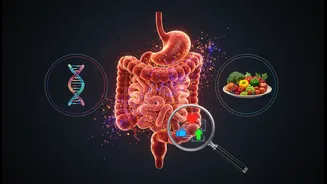
Consuming a nutrient is only half the battle; your body also has to be able to absorb and use it. This is a concept known as bioavailability. Several factors can dramatically affect how much of a nutrient actually enters your bloodstream. Some nutrients enhance the absorption of others; for example, Vitamin C boosts iron absorption, which is why pairing lentils with tomatoes or citrus is a smart move. On the other hand, some compounds hinder absorption. Tannins in tea can reduce iron absorption, and phytates in whole grains can limit the uptake of zinc and calcium. Even the form of the nutrient matters. The iron in meat (heme iron) is more bioavailable than the iron in plants (non-heme iron). This is why simply taking a supplement pill doesn't guarantee you're correcting a deficiency if your body can't properly absorb it.
Health Status and Life Stage Are Key
Your individual health profile is perhaps the most critical factor determining your nutrient needs. Certain health conditions dramatically alter your body's ability to absorb or retain vitamins and minerals. Inflammatory bowel diseases like Crohn's or celiac disease can damage the intestinal lining, leading to poor absorption of multiple nutrients, including Vitamin D, calcium, and B12. Age is another major factor; older adults often produce less stomach acid, which can impair the absorption of Vitamin B12 from food. Life stages like pregnancy create a higher demand for specific nutrients like folic acid and iron to support fetal development. Even lifestyle factors like chronic stress, smoking, and alcohol consumption can deplete certain vitamins and minerals or interfere with their absorption. Your personal health is a dynamic state, not a static one, and your nutritional requirements will change along with it.