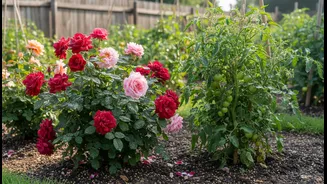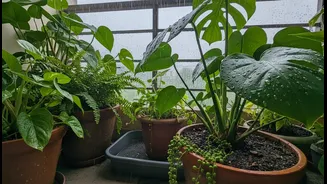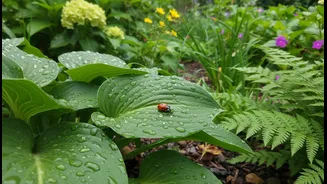






The Delicate Nature of Your Greens
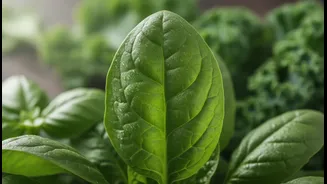
Soft-leaved greens like spinach (palak), lettuce, coriander (dhania), and amaranth are kitchen favourites for a reason: they are tender and grow quickly. However, this tenderness is also their biggest vulnerability. Their leaves have a high water content
and thin protective cuticles, making them susceptible to damage. Unlike hardier plants like tomatoes or brinjals, these greens can easily be 'burned' by sprays that are too concentrated, a condition known as phytotoxicity. This sensitivity is heightened during the monsoon season, when environmental stress is already high.
Monsoon Menace: A Perfect Storm for Pests
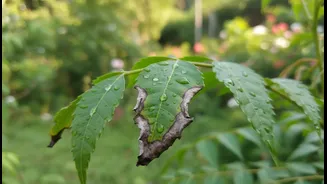
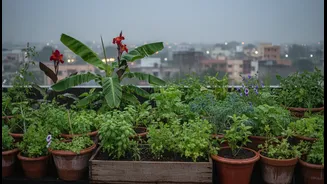
July brings the monsoon, a season of relief and growth, but also a boom time for garden pests. The combination of high humidity and intermittent rain creates an ideal breeding ground for fungal diseases and soft-bodied insects. Powdery mildew can spread rapidly in the damp air, while pests like aphids, spider mites, and whiteflies thrive on the lush, new growth your garden is producing. These pests hide on the undersides of leaves, sucking the life out of your plants and potentially stunting their growth, making some form of pest management essential.
Why Your Go-To Neem Spray Can Backfire
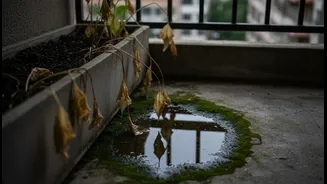
Neem oil is a trusted organic solution for many gardeners, but its effectiveness depends heavily on correct application. When sprayed on leaves, the oil can block the plant's pores (stomata). During hot, sunny periods that often follow a monsoon shower, this oily film can essentially 'cook' the delicate leaves, causing them to wilt, yellow, or develop brown scorch marks. High humidity slows the evaporation of the spray, keeping the oil on the leaf surface for longer and increasing the risk of a burn. This is why a standard neem mixture can do more harm than good to your vulnerable greens this month.
The Ultra-Diluted Neem Mist Recipe
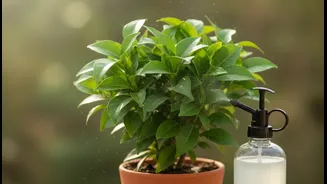
For sensitive leafy greens during the monsoon, a gentler approach is required. An 'ultra-diluted' mist reduces the risk of leaf burn while still deterring pests. Standard recipes often call for 5 ml of neem oil per litre of water, but for this purpose, you should halve that. Here’s the safe and effective recipe: - 1 Litre of Warm Water - 2.5 ml (approx. half a teaspoon) of high-quality, cold-pressed Neem Oil - 1-2 ml (a few drops) of a mild liquid soap (to act as an emulsifier) First, mix the liquid soap into the warm water. Then, slowly add the neem oil while stirring continuously to ensure it disperses evenly. This solution is most effective when used immediately after mixing, as the active compounds in neem oil begin to break down quickly in water.
A Guide to Safe Application
How and when you spray are just as important as what you spray. Always test your mixture on a single leaf and wait 24 hours to check for any signs of damage before treating the entire plant. Follow these steps for best results: 1. Spray in the early morning or late evening. Avoid applying in direct sunlight or high heat to prevent leaf scorch. 2. Ensure thorough coverage. Mist the entire plant, paying special attention to the undersides of leaves where pests love to hide. 3. Don't overdo it. For preventative care, a light misting every 10-14 days is sufficient. If you have an active pest problem, you can apply it every 5-7 days until the issue is resolved. 4. Always wash your greens thoroughly with water before consumption to remove any residue.
Beyond the Spray: Holistic Garden Health
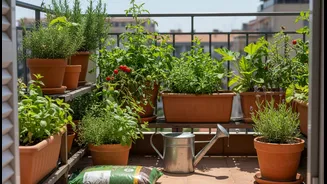
While a diluted neem mist is a great tool, it works best as part of a larger garden care strategy. Ensure your plants have good air circulation to discourage fungal growth. Water the soil directly and avoid wetting the leaves when possible. Regularly inspect your plants for early signs of trouble, and remove any heavily infested or diseased leaves promptly. Attracting beneficial insects like ladybirds by planting companion flowers can also create a natural defence system for your garden.