



The Chatpata Maximalism
For years, the complex, multi-layered flavour known as 'chatpata' was the undisputed king of street food. In 2026, it has broken free from the cart and is taking over everything. [13, 8] This isn't just about a sprinkle of chaat masala; it's an era of "flavour
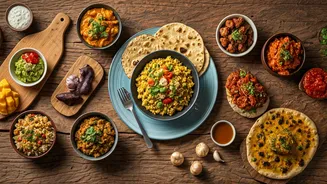
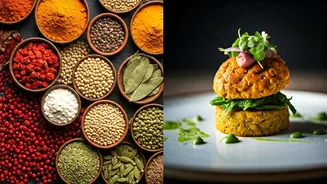
maximalism". [12, 13] Chefs and home cooks are embracing the riotous symphony of sweet, sour, tangy, and spicy that defines the chatpata experience. [8] Think of the puckering tang from dried mango powder (amchur), the pungent hit of black salt, and the slow burn of chilli, all in one bite. [8] This trend is about creating high-impact, multi-sensory taste experiences that are unapologetically bold. [12] You can see this in everything from 'Magic Masala' flavoured chips in the snack aisle to gourmet chefs incorporating these piquant profiles into their dishes, proving that India is doubling down on its bold, teekha-chatpata roots. [8, 13]
The Fibre Renaissance
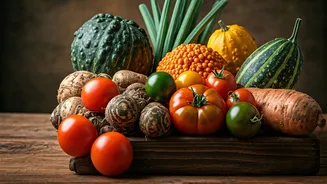
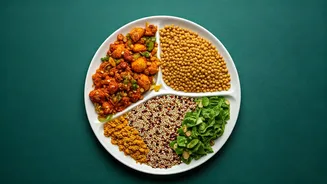
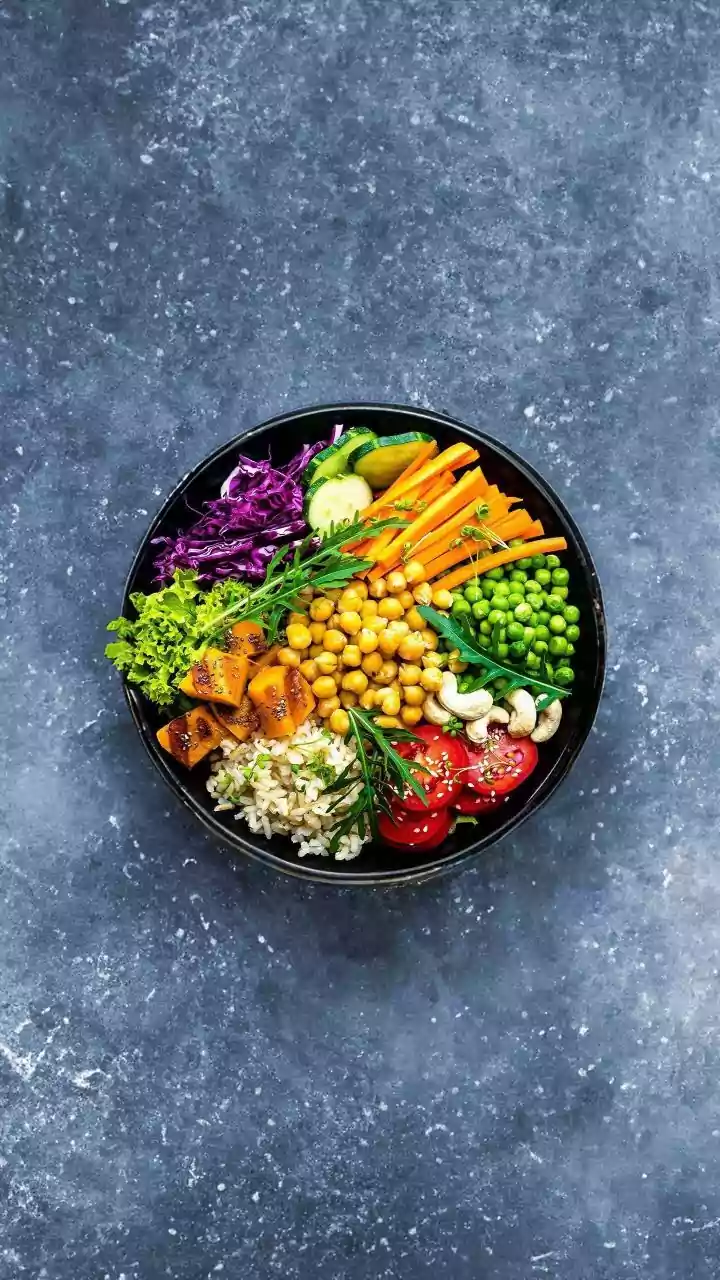
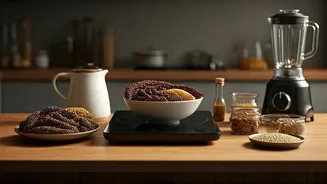
If the last few years were about protein, 2026 is the year fibre takes centre stage. [22] This isn't just a niche health trend; it's a mainstream movement dubbed "fibremaxxing". [18, 23] Driven by a greater focus on gut health, metabolic wellness, and a desire for natural satiety, Indians are consciously increasing their fibre intake. [18, 5] This shift is partly a reaction against ultra-processed foods and is inspired by the understanding that fibre is crucial for regulating blood sugar and supporting a healthy gut microbiome. [24, 23] What makes this trend so powerful is that it feels inherently Indian. It’s not about importing strange new ingredients but about rediscovering the fibre-rich foods already in our kitchens: millets, lentils, whole grains, and local vegetables like bhindi and lauki are all being celebrated for their health benefits. [22, 15] High-fibre snacks and fortified ready-to-eat products are also becoming increasingly common, showing that wellness and convenience can go hand-in-hand. [18]
The Regional Revival
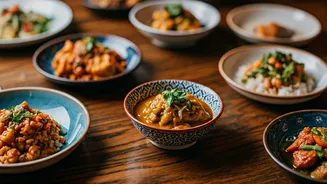
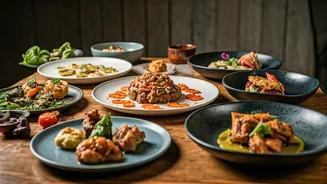
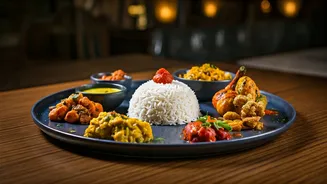
The idea of a single, monolithic "Indian cuisine" is officially outdated. In 2026, the real excitement is in the details—specifically, the hyper-regional dishes that are finally getting national recognition. [6, 20] Diners are looking beyond the standard restaurant fare and are hungry for authenticity, heritage, and the unique stories behind the food they eat. [4, 20] This has led to a revival of cuisines from every corner of the country. Dishes from Kerala, Nagaland, and the Himalayan regions are gaining momentum, celebrated for their unique spices and plant-based options. [2, 6] Chefs are showcasing lesser-known culinary traditions from states like Bihar, Odisha, and Madhya Pradesh. [10] This movement is about honouring time-tested roots and techniques, from slow cooking methods like dum pukht to the use of indigenous ingredients that were once confined to home kitchens. [6, 4] It’s a shift towards food that feels culturally rooted and soul-satisfying. [6]