






The Lure of the Bustling Bazaar
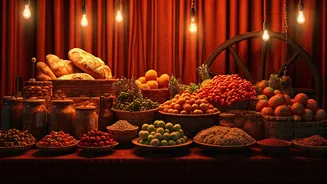
Forget sterile shopping malls. The real magic of a place often lives in the chaotic, vibrant symphony of its local market. Whether it’s the labyrinthine alleys of Marrakech’s Djemaa el-Fna, the aromatic spice stalls of Old Delhi, or the sheer sensory
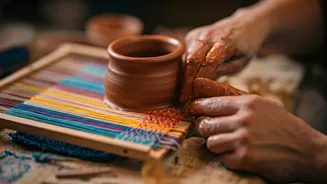
overload of Istanbul’s Grand Bazaar, markets are the beating heart of a city. They are where culture is not just displayed but lived. Here, you can haggle for a handmade souvenir, witness generations of artisans at work, and taste produce plucked from the earth that very morning. This isn’t just shopping; it's participation. The allure of the market is the allure of authenticity. It’s a chance to step away from the curated tourist trail and into the messy, beautiful reality of daily life, connecting with a place through its commerce, its chatter, and its community.
A Taste of True Connection
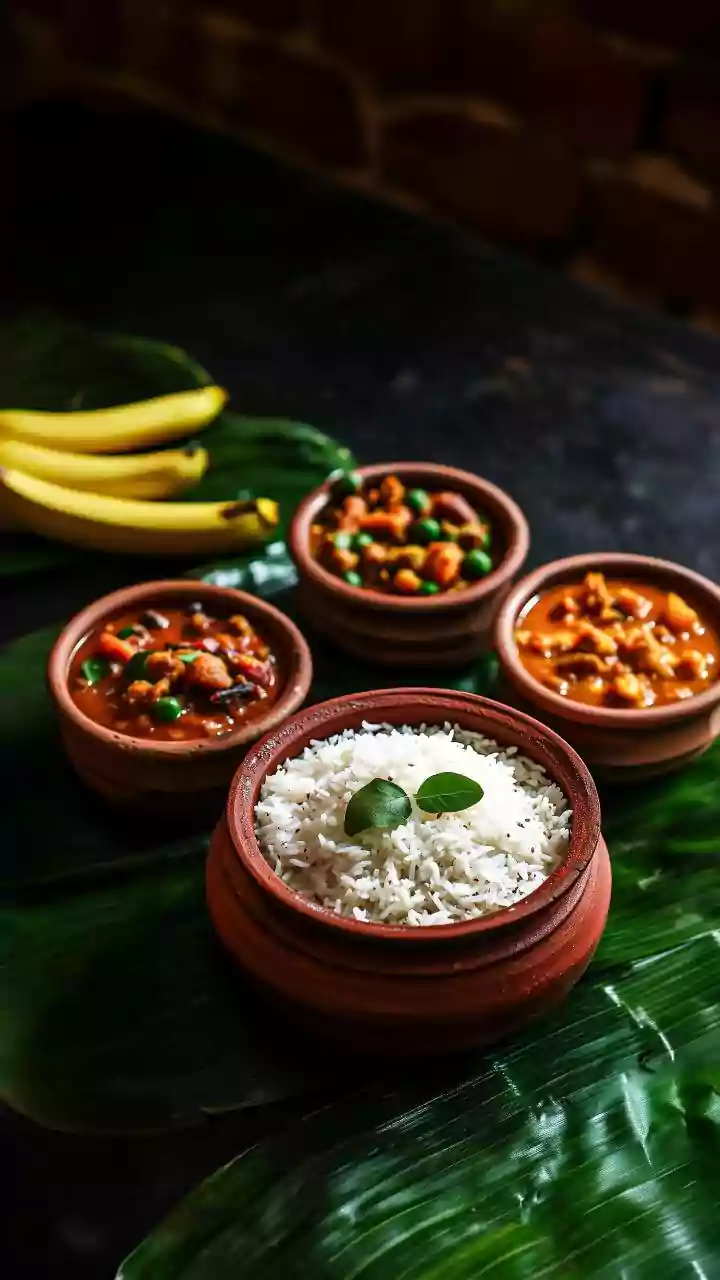
Food is the most universal language, and for the modern traveller, it has become a primary itinerary driver. We no longer eat just to survive; we travel to eat. A bowl of pho on a plastic stool in Hanoi tells a story of history and place that no museum exhibit ever could. A perfectly spiced biryani in Hyderabad is a lesson in culinary artistry passed down through generations. Food tourism isn't a niche; it's arguably the most potent form of cultural immersion. It’s about more than just flavour. It’s about the traditions behind a dish, the local ingredients that define a region’s palate, and the shared experience of breaking bread—or naan, or a baguette—with others. By seeking out a city’s most beloved dishes, from street-side stalls to celebrated restaurants, we are seeking its soul. It’s the quickest path to understanding a people, their history, and what brings them joy.
The Echoes of the Chariot
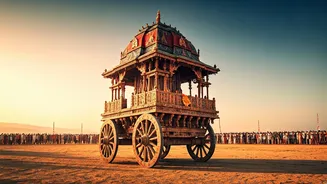
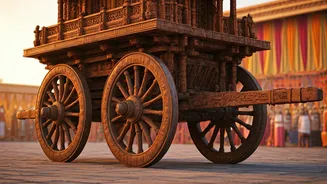
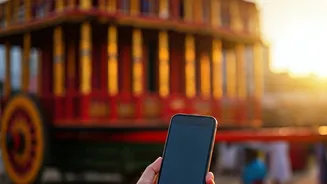
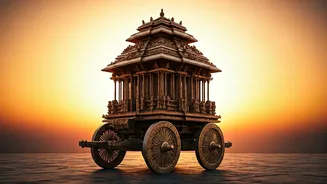
The ‘chariot’ is perhaps the most intriguing form of travel bait. It’s a metaphor for spectacle, for history made manifest, for witnessing something so grand it feels mythical. In the ancient world, it was the thunder of hooves at the Circus Maximus in Rome. Today, that same human craving for awe is satisfied in different, yet equally powerful, ways. It’s found in the monumental procession of the Rath Yatra in Puri, where towering chariots carrying deities are pulled by thousands of devotees in a stunning display of collective faith. It’s felt while standing within the stone circle of Stonehenge, contemplating its ancient purpose, or watching the Palio di Siena, a horse race in Italy steeped in medieval rivalry and pageantry. This kind of travel isn't about relaxation. It’s about pilgrimage. We are drawn to these events and places because they connect us to a timeline far greater than our own, offering a glimpse into the epic stories that have shaped humanity.