





The Perfect Canvas from the Blue Mountains
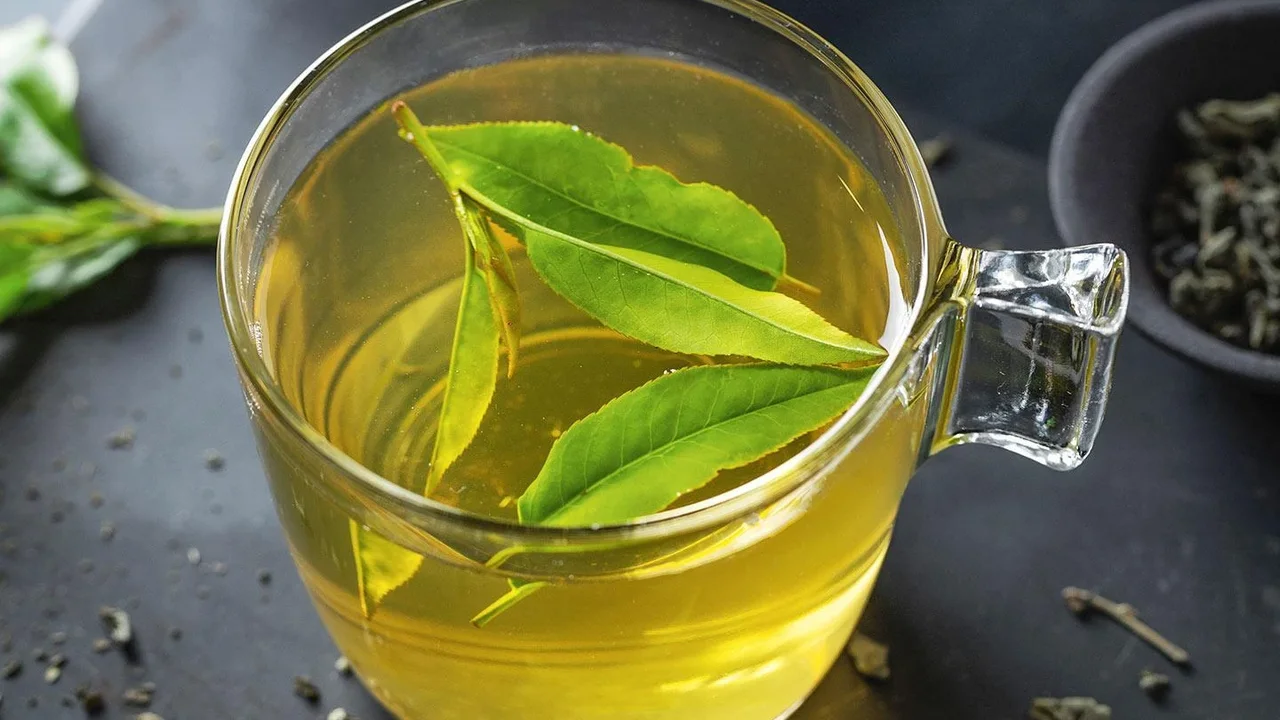
Often overshadowed by the malty boldness of Assam or the muscatel notes of Darjeeling, Nilgiri tea is having a well-deserved moment. Grown in the high-altitude Western Ghats, also known as the Blue Mountains, this South Indian tea is celebrated for its
unique character. It is exceptionally bright, brisk, and fragrant, with a smooth, mellow finish and very little bitterness or astringency. This balanced and naturally sweet profile makes it an ideal base for flavouring. Artisanal blenders consider it a dream canvas because it complements other ingredients rather than overpowering them, allowing for a harmonious fusion of tastes.
The Art of Infusing with Fruit
The magic of these modern blends lies in a commitment to natural ingredients. Crafters are moving away from artificial essences and turning to India’s rich bounty of fruits. The process, however, is a delicate art. Using fresh fruit directly in a dry tea blend is not possible, as the moisture would cause spoilage. The key is careful preparation. Artisans select ripe, flavourful fruits and meticulously dehydrate them, reducing the moisture content to ensure the final product is shelf-stable. This can be done through sun-drying or with modern dehydrators that offer precise control. The intensely flavoured, dried fruit pieces are then ready for blending.
A Symphony of Flavours
Simply mixing the dried fruit with tea leaves is just the beginning. The real craft lies in creating a balanced profile. Blenders experiment to find the perfect ratio, ensuring the fruit's essence is present but doesn't mask the tea's own delicate character. After mixing, the blend is often left to rest for days or even weeks in an airtight container. This crucial 'marrying' period allows the natural oils and aromas from the fruit to infuse deeply into the tea leaves, creating a cohesive and layered flavour. The result is a brew where the tea and fruit notes sing in harmony, not competition.
Popular Pairings to Explore
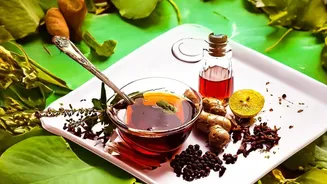
The versatility of Nilgiri tea allows for a wide array of creative pairings. Zesty citrus fruits like orange and lemon are a popular choice, as they accentuate the tea’s natural briskness. For those with a sweeter tooth, blends with berries like strawberry and raspberry offer a jammy, fragrant cup. Tropical fruits such as mango and pineapple introduce a lush, exotic dimension, while stone fruits like peach and apricot provide a softer, more floral sweetness. Each combination is designed to evoke a different mood and tasting experience, showcasing the incredible range of both the tea and its fruity partners.
More Than a Trend, a Philosophy
This movement is about more than just creating new flavours; it represents a philosophy centred on craftsmanship, quality, and origin. Artisanal makers often work in small batches, prioritising the integrity of their ingredients over mass production. They are storytellers, creating blends that speak of the place the tea was grown and the season the fruit was picked. For a new generation of Indian consumers, who are increasingly curious about where their food comes from, these teas offer a direct connection to the country's rich agricultural heritage, reimagined in a contemporary and exciting way.