

Why Your Breakfast Matters
A breakfast heavy in refined carbohydrates, like those found in white bread, white rice poha, or some traditional sweets, can cause a rapid spike in blood sugar. This initial rush is often followed by a sharp crash, leaving you feeling tired, irritable,
and craving more sugary foods within hours. Over time, this rollercoaster can negatively impact your metabolic health. The key to a better breakfast is focusing on three things: high-quality protein, fibre, and complex carbohydrates. This combination slows down digestion, leading to a more gradual release of sugar into the bloodstream. This provides steady, sustained energy and helps you feel full and satisfied until your next meal.
The Idli & Dosa Upgrade
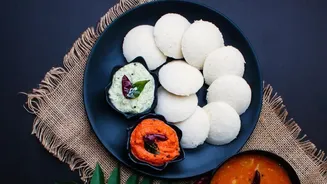
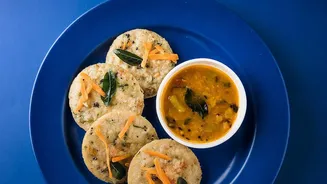
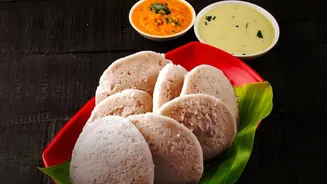
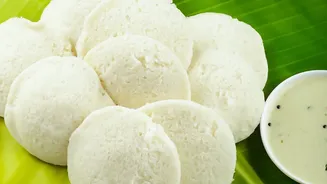
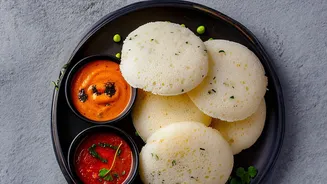
While delicious, traditional idlis and dosas made from polished white rice have a high glycemic index, meaning they release sugar quickly. A simple and powerful swap is to use batters made from millets like ragi, foxtail, or jowar. Millets are packed with fibre, which slows digestion and helps prevent sharp blood sugar spikes. Studies have shown that millet-based dosas lead to a significantly lower post-meal blood glucose response compared to rice-based versions. Another great option is a Pesarattu, a dosa-like crepe from Andhra Pradesh made with moong dal, which is rich in protein and has a very low glycemic index.
A Smarter Paratha Stuffing
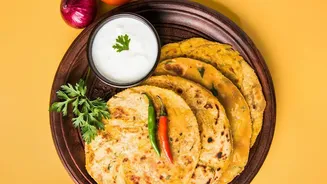
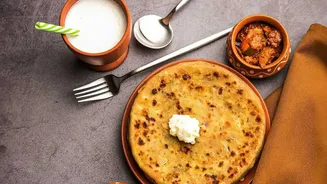
The beloved aloo paratha, while comforting, is primarily a starchy carbohydrate bomb. To make it healthier, the first step is using whole wheat atta instead of refined maida. The real power move, however, is in the stuffing. Swap the potato filling for protein-rich alternatives like crumbled paneer or sattu (roasted gram flour). Sattu is a nutritional powerhouse from Bihar, rich in protein and fibre, which aids in boosting metabolism and providing sustained energy. A sattu paratha is more nutrient-dense and has a better balance of protein and carbs, helping to keep you fuller for longer.
Rethinking Poha and Upma
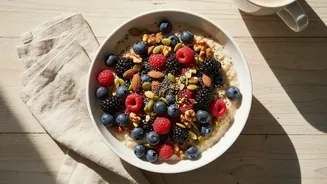
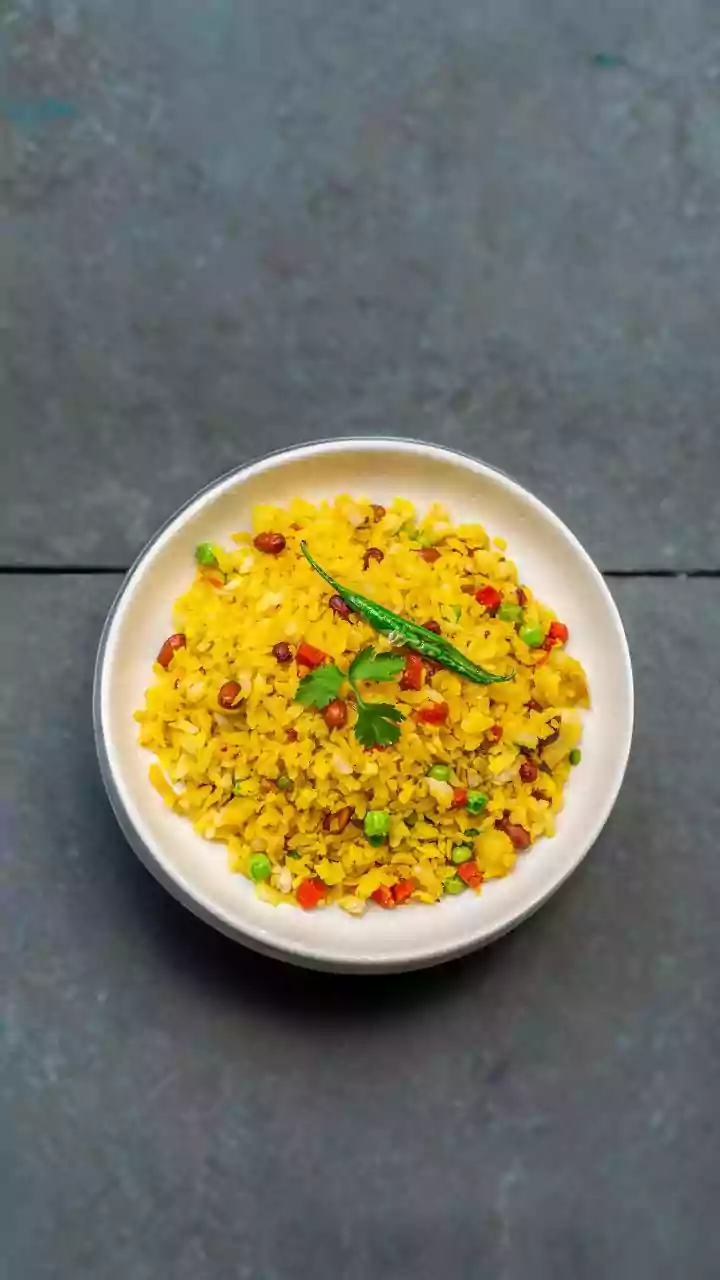
Poha and suji (semolina) upma are quick and popular breakfast choices across India. However, they are often made from processed grains that can act like refined carbs. To upgrade your poha, switch from white to red rice poha, which has more fibre. More importantly, add a source of protein and healthy fats, such as a handful of peanuts, sprouts, or a side of curd or a boiled egg, to slow down glucose absorption. For upma, replacing suji with whole grains like dalia (cracked wheat), oats, or millets makes a huge difference. These grains contain complex carbohydrates and more fibre, supporting better blood sugar control and longer-lasting satiety.
The Power of Protein
Regardless of your breakfast choice, adding a source of protein is one of the most effective strategies for managing blood sugar and energy. Protein slows down stomach emptying and reduces hunger hormones. Simple additions can make a world of difference. Consider a moong dal or besan chilla, which is a savoury pancake packed with plant-based protein. A sprouts chaat with chopped vegetables and a dash of lemon is another excellent, no-cook option that is high in both protein and fibre. Even adding a side of scrambled eggs (bhurji), a bowl of dahi, or a handful of paneer to your existing breakfast can significantly improve its nutritional profile and metabolic impact.