




The Daily Coffee Ritual
The morning filter coffee is more than a beverage; it's a cherished ritual in countless South Indian homes. Its rich aroma and robust flavour provide a familiar comfort and a much-needed jolt of energy to kickstart the day. While moderate coffee consumption
can have its own benefits, for some, a daily habit can lead to digestive unease. Coffee is naturally acidic, and this can irritate the stomach lining, especially when consumed on an empty stomach. For individuals prone to conditions like gastritis, acid reflux, or heartburn, coffee can sometimes worsen symptoms. According to Ayurvedic principles, coffee's heating and stimulating properties can aggravate the Pitta and Vata doshas, potentially leading to digestive imbalance, restlessness, and acidity. This doesn't mean coffee is inherently 'bad', but rather that its effects are highly individual, and for those with sensitive systems, it might not be the most gut-friendly daily drink.
The Gentle Power of Kashayam
Enter the world of traditional spiced infusions, broadly known as 'kashayam'. These are not new-age wellness fads but time-honoured herbal decoctions that have been staples in Indian households for generations, often rooted in Ayurvedic wisdom. A kashayam is made by boiling medicinal herbs, roots, and spices in water to create a potent, healing brew. Unlike coffee, these infusions are typically caffeine-free and are designed to be soothing and balancing. One of the most popular examples is 'Sukku Malli Kaapi', a comforting beverage made not from coffee beans but from a blend of dry ginger (sukku) and coriander seeds (malli). These drinks are crafted to support the body's natural functions, with a particular focus on improving digestion, boosting immunity, and providing relief from common ailments like colds and coughs.
A Symphony of Digestive Spices
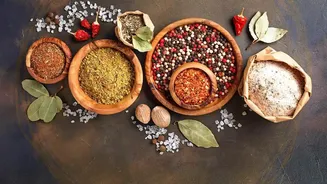
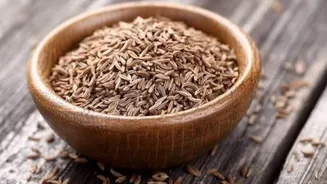
The magic of these infusions lies in their ingredients. Each spice plays a specific role in promoting digestive health. Dry ginger, or 'sukku', is a powerhouse known for its anti-inflammatory properties and its ability to soothe the stomach and speed up digestion. Coriander seeds, or 'malli', are traditionally used to cool the body, relieve bloating, and support overall gut health. Black pepper is often included not just for its pungency, but because its active compound, piperine, dramatically improves the body's ability to absorb the beneficial compounds from other spices like ginger and turmeric. Other common players include cumin, which stimulates digestive enzymes and the release of bile; fennel, which is known to relieve gas and bloating; and turmeric, celebrated for its powerful anti-inflammatory effects. Together, these spices work in synergy to create a drink that actively supports the digestive process.
Coffee vs. Spiced Infusions: A Digestive Snapshot
When comparing the two, the fundamental difference lies in their effect on the digestive system. Coffee is a stimulant. Its caffeine content speeds up contractions in the colon, which is why it often prompts a bowel movement. However, this stimulation can also increase stomach acid and, in excess, may irritate the gut. Spiced infusions, on the other hand, work more as regulators. They are considered carminative, meaning they help to relieve gas and bloating. Ingredients like ginger and cumin are known to stimulate the body's own digestive enzymes and bile, helping to break down food more efficiently and gently. While coffee provides a rapid energy boost via caffeine, sukku kaapi and other kashayams offer a warming, comforting energy without the risk of caffeine-related jitters, anxiety, or the potential for an afternoon crash.
Making a Mindful Switch
Embracing spiced infusions doesn't require abandoning your beloved filter coffee entirely. The goal is mindful consumption and finding a balance that works for your body. You might start by swapping one of your daily coffees for a cup of sukku kaapi, perhaps in the afternoon when a caffeine hit might disrupt sleep. Or you could reserve coffee for weekends and make a warm kashayam your weekday morning ritual. Preparing these infusions is simple. Many South Indian households have their own signature blend, but a basic sukku malli kaapi involves boiling dry ginger powder, crushed coriander seeds, and a few peppercorns in water, then sweetening it with palm jaggery. It's a simple, comforting ritual that offers a different kind of warmth—one that soothes from within.