


Beyond Farm-to-Table
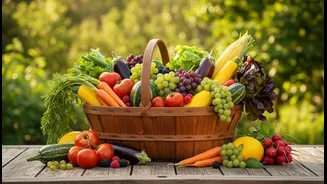
For years, 'farm-to-table' was the gold standard for conscious dining. But a more intense and meaningful movement is now taking root: hyperlocal cuisine. This philosophy goes beyond simply sourcing from nearby farms. It's a deep dive into the specific
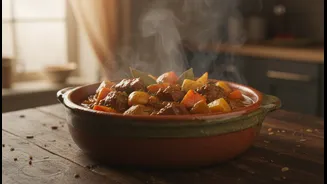
ecology of a region, celebrating ingredients that are not just local, but uniquely tied to that place. Instead of a generic fish curry, a hyperlocal menu might specify a preparation from a particular coastal community using a specific fish caught that morning. It’s a shift from a monolithic idea of 'Indian food' to a vibrant mosaic of micro-cuisines, each with a story rooted in its immediate environment.
The Treasure in Our Ecosystem
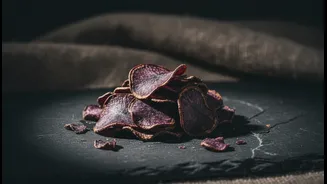
India's immense biodiversity is a largely untapped culinary treasure chest. Chefs at the forefront of this movement are acting as culinary explorers, rediscovering and popularising ingredients that have been part of indigenous and rural diets for centuries but are unknown to most urban diners. These include Mahua flowers in Jharkhand, the tangy wild green 'takla' that appears during the monsoon in Maharashtra, fiddlehead ferns from the Himalayan belt, and even various types of seaweed from the Konkan coast. This isn't just about novelty; it's about reconnecting with food at its most primal level and appreciating flavours that commercial agriculture has left behind.
From Biodiversity to Business
This movement creates significant culinary and economic value. For restaurants, a hyperlocal menu is a powerful differentiator, offering a unique and authentic experience that can't be replicated. It justifies premium pricing and builds a reputation for innovation and creativity. More importantly, it creates a new value chain that directly benefits local communities. By creating demand for foraged foods and forgotten heirloom grains, chefs are empowering indigenous groups, women farmers, and small-scale agriculturalists who hold the traditional knowledge of these ingredients. This provides them with a sustainable livelihood and an incentive to conserve the biodiversity in their regions.
The Pioneers of Place-Based Plates
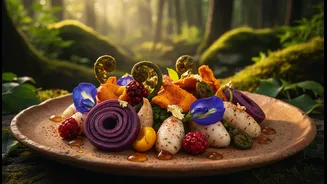
Across the country, a handful of visionary chefs are championing this cause. They are building direct relationships with foragers and tribal communities, learning traditional harvesting methods and recipes. Some travel extensively to remote villages to expand their knowledge and their menus, ensuring the stories of the communities behind the ingredients are told. These chefs often use modern techniques to present these ancient ingredients in new and exciting ways, like turning marigold flowers into a sorbet or using cluster figs in a chaat. Their work is a blend of culinary art, environmental advocacy, and cultural preservation, introducing diners to new flavours while honouring their origins.
The Challenges of Eating Wild
Despite its immense potential, the path of hyperlocal dining is not without its hurdles. The biggest challenge is ensuring responsible and sustainable sourcing. Over-harvesting popular wild ingredients can damage fragile ecosystems. Another issue is the unpredictable availability of foraged foods, which are subject to seasons and weather, making menu consistency difficult. There's also the crucial need for absolute certainty in identifying wild plants to avoid toxic look-alikes. Finally, chefs must educate diners, many of whom may be unfamiliar with these tastes and textures, and challenge the notion that only commercially available produce is desirable.