





The Psychology of the Instant Discount
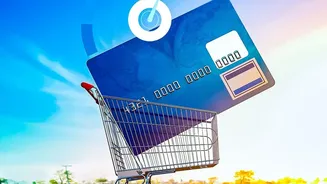
Retailers and banks are masters of consumer psychology. An instant discount on a credit card or a Buy Now, Pay Later (BNPL) option creates a sense of urgency and smartness, making you feel like you're saving money. This strategy is designed to do one thing:
encourage you to spend. When a purchase is frictionless and the immediate pain of payment is removed, people are more likely to buy things they don't need or can't truly afford. A recent surge in credit usage among India's youth shows this is working. A 2026 TransUnion CIBIL report revealed that 50% of new credit card consumers are aged 30 or below, a significant jump from previous years. This generation, raised on digital payments and instant commerce, is embracing credit earlier and more aggressively than ever before.
The Real Cost of 'Free' Money
That discount feels good at the checkout, but it can be wiped out many times over by interest charges if you don't pay your bill in full. Most credit cards in India charge interest rates between 3% and 4% per month, which translates to a staggering 36% to 48% per year. This is where many fall into the 'minimum payment trap'. Paying only the minimum amount due keeps you in good standing with the bank, but the remaining balance accrues interest daily. A balance of ₹1,00,000 could take years to pay off and cost you more than the original amount in interest alone if you only make minimum payments. Remember, the interest-free period only applies if you clear your entire balance by the due date. Any amount carried over immediately starts accumulating these high charges.
BNPL: A New Trap or a Better Tool?
Buy Now, Pay Later services have exploded in popularity, offering an even simpler way to defer payments without needing a traditional credit card. While many offer zero-interest periods, they come with their own risks. Late fees can be substantial, and some platforms can charge high annual interest rates if deadlines are missed. Critically, most BNPL usage is now reported to credit bureaus like CIBIL. This means missed payments can damage your credit score, making it harder to get loans for a car, home, or business in the future. The ease of using multiple BNPL apps for small purchases can also lead to a confusing web of debt that is difficult to track and manage.
How to Be a Smarter Credit User
Using credit isn't inherently bad; in fact, it can be a powerful financial tool when used correctly. The key is to shift your mindset from chasing discounts to managing debt. First, always aim to pay your credit card bill in full every month. This is the only way to guarantee you pay zero interest. Second, treat your credit limit like a ceiling, not a target. Create a budget based on your actual income and use your card as a convenient way to pay for what you can already afford. Third, read the fine print. Before availing any 'no-cost EMI' or BNPL offer, understand the penalties for late payments and any processing fees involved. Finally, ask yourself: would you still buy this item at full price, with cash? If the answer is no, the discount isn't a saving—it's an incentive to spend money you didn't plan to.