





Pack Smart, Not Heavy
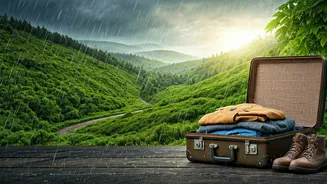
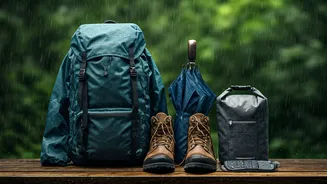
Monsoon packing is an art. Leave the denim and heavy cottons at home; they take forever to dry. Instead, opt for synthetic, quick-dry fabrics like polyester and nylon. A lightweight, waterproof jacket with a hood is non-negotiable. Don't rely on flimsy
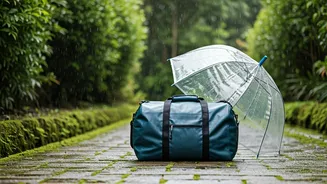
umbrellas that can't handle gusty winds. For footwear, ditch the leather and fancy sneakers. Pack a pair of sturdy, waterproof sandals with good grip or rubber floaters. It’s also wise to carry a few extra pairs of socks. Pack your belongings in waterproof bags or use dry sacks within your main luggage to protect clothes and electronics from unexpected soakings.
Choose Your Destination Wisely
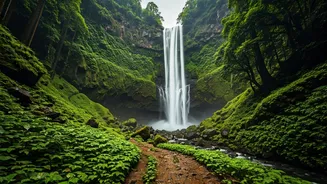
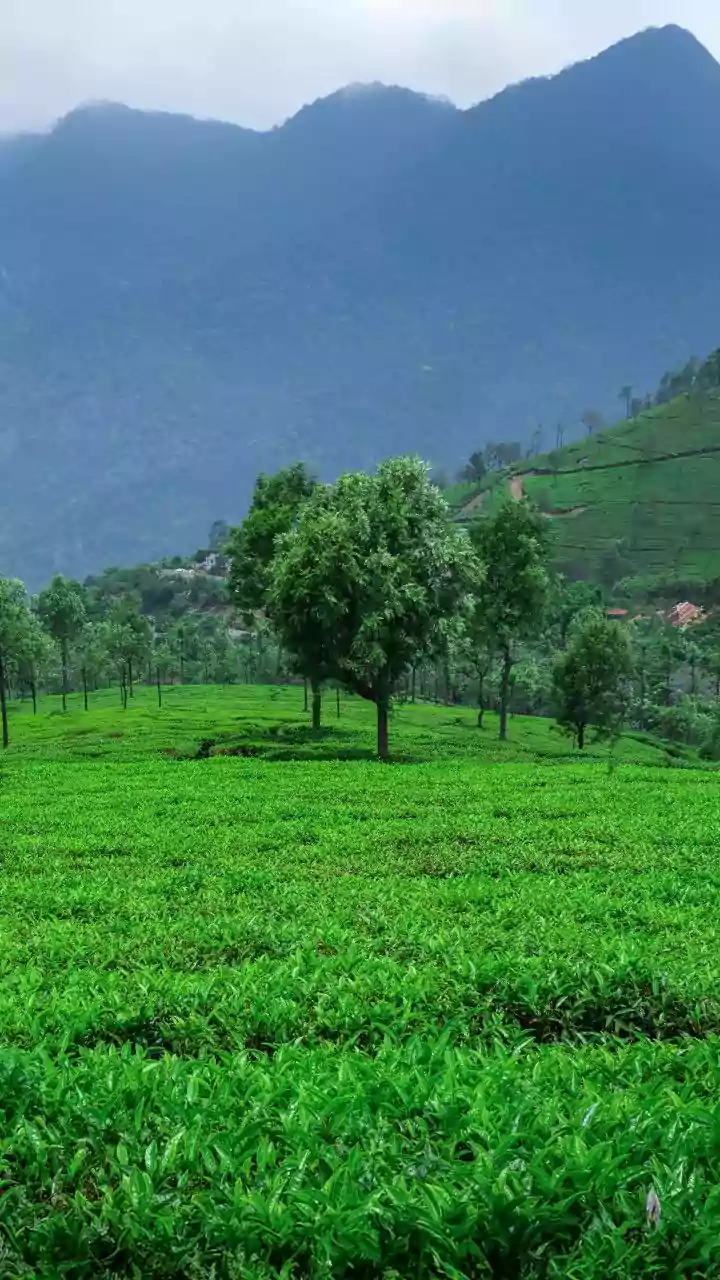
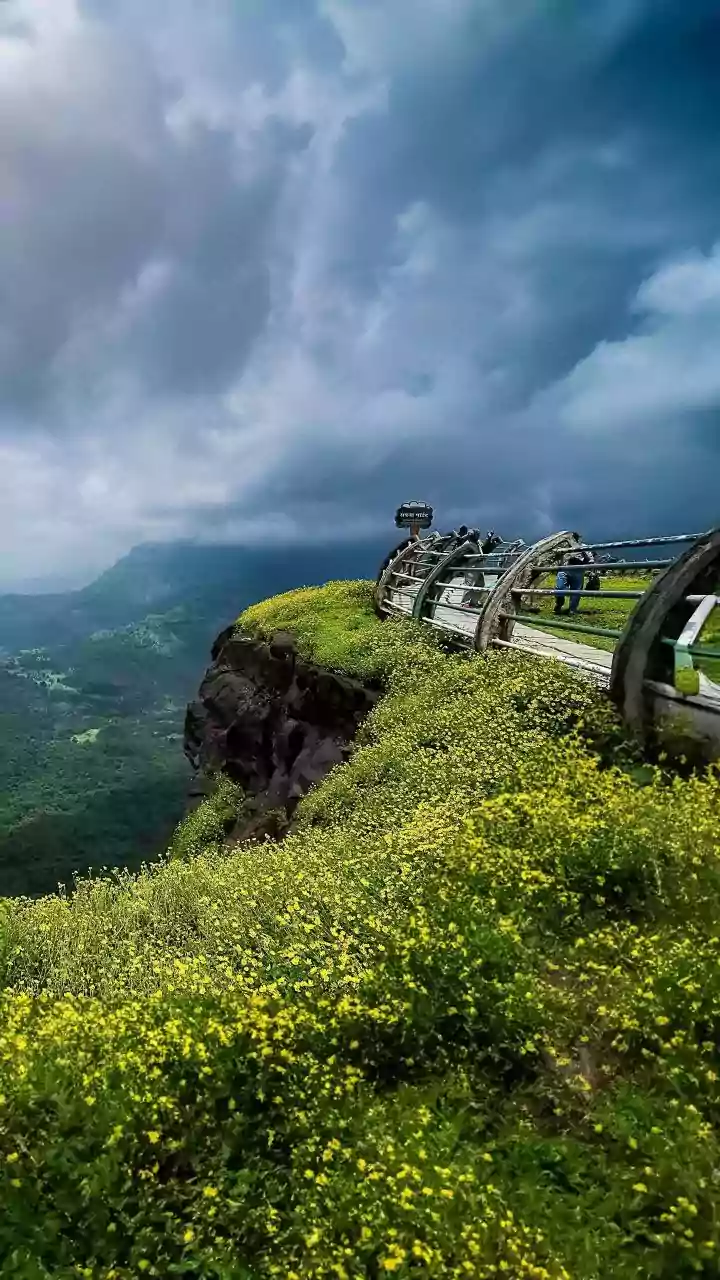
Not all destinations are created equal during the monsoon. While the rain-washed Western Ghats, Kerala's backwaters, and the hills of Coorg or Munnar turn breathtakingly beautiful, other areas become high-risk. Avoid trekking in the Himalayas, as the risk of landslides and flash floods is significant. Many national parks also close during this season. Coastal areas can be tricky, with rough seas making beaches unsafe for swimming. Instead, consider places that come alive in the rain: the lake city of Udaipur in Rajasthan, the misty landscapes of Meghalaya, or the lush plantations of Goa's hinterlands. Always check the local weather forecast and road conditions before you book and before you leave.
Prioritise Health and Hygiene
The monsoon brings a higher risk of water-borne and vector-borne diseases. Your health kit should be a priority. Pack mosquito repellent—dengue and malaria cases spike during this season. Also include essentials like antiseptic cream, bandages, rehydration salts (ORS), and medication for fever and stomach upsets. Be extremely cautious about what you eat and drink. Avoid street food, especially anything that isn't freshly cooked and served hot. Steer clear of pre-cut fruits and salads. Stick to bottled, sealed water, and if you're unsure, carry a portable water filter or purification tablets. It’s a simple rule: if you can't boil it, peel it, or cook it, forget it.
Navigate Roads and Transport Carefully
Getting around during the monsoon requires patience. If you're planning a road trip, be prepared for waterlogged streets, massive potholes, and potential traffic jams. Drive slowly and maintain a safe distance from other vehicles. Ensure your car's tyres, wipers, and brakes are in top condition. Flight and train schedules are often disrupted due to heavy rain and low visibility, so build buffer days into your itinerary. Book flexible tickets where possible and always have a backup plan. Keep your power bank fully charged, as delays can be long and unpredictable. Download offline maps for your route, as mobile connectivity can be patchy in remote, rainy areas.
Protect Your Gadgets
Humidity and water are the enemies of your expensive electronics. Your smartphone, camera, and laptop need extra protection. Invest in waterproof phone pouches and dry bags for your camera gear. Even when it’s not actively raining, the high humidity can cause moisture to seep into devices. A few silica gel packets tossed into your camera bag or backpack can help absorb excess moisture. Avoid charging your devices if they feel damp. When you get back to your hotel, let your gadgets air out in a dry, air-conditioned room to prevent fungal growth on lenses or damage to internal circuits.
Embrace the Spirit of Monsoon
Finally, the most important survival tip is to adjust your mindset. Monsoon travel is not about rushing from one sight to another. It’s about slowing down. It’s about enjoying the rain from a cosy cafe, reading a book while listening to the downpour, and appreciating the vibrant, saturated colours of nature. Delays will happen. Plans will change. Instead of getting frustrated, see it as an opportunity to experience a place differently. Chat with the locals, try regional rainy-day snacks like pakoras and samosas, and let the rhythm of the rain set the pace for your holiday.