







The Building Blocks of Life
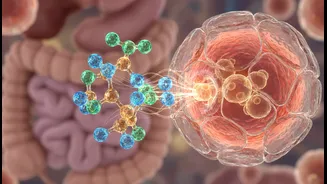
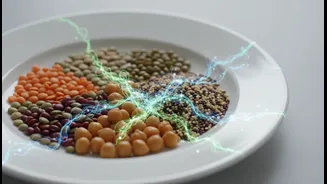
At its core, a protein is a complex molecule made up of smaller units called amino acids, often called the building blocks of life. When you eat a protein-rich food like chicken, lentils, or a scoop of whey powder, your digestive system breaks it down
into these individual amino acids. Your body then uses these amino acids to build and repair tissues, produce crucial enzymes and hormones, and support your immune system. There are 20 different amino acids, but nine of them are considered "essential" because your body cannot produce them on its own; they must come from your diet. This distinction is the first clue as to why some proteins are more effective than others.
Complete vs. Incomplete: The Amino Acid Profile
The first major factor determining a protein's quality is its amino acid profile. A "complete protein" is one that contains all nine essential amino acids in adequate proportions. Generally, animal-based proteins like meat, fish, eggs, and dairy are considered complete proteins. Some plant-based foods, such as soy, quinoa, and buckwheat, are also complete protein sources. On the other hand, "incomplete proteins" are missing or have very low levels of one or more essential amino acids. Most plant-based proteins, including beans, grains, nuts, and seeds, fall into this category. However, this doesn't mean they are inferior. By combining different plant-based foods—a strategy known as protein complementation, like eating rice and beans—you can create a complete amino acid profile over the course of your day.
Bioavailability: It’s What You Absorb, Not Just What You Eat
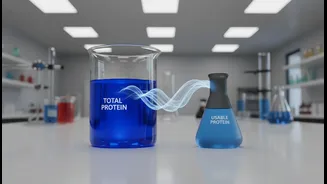
Beyond the amino acid profile, the next crucial concept is bioavailability. This term describes how well your body can digest, absorb, and utilize the amino acids from a protein source. Just because a food label says it contains 20 grams of protein, it doesn't guarantee your body will absorb all 20 grams. Animal proteins generally have higher bioavailability than plant proteins. This is partly because plant-based sources can contain "anti-nutritional factors," like phytates, which can slightly inhibit the digestion and absorption of proteins and other minerals. The structure of plant cells can also make their proteins less accessible to our digestive enzymes.
Measuring Quality: The Science of Protein Scores
Scientists use specific metrics to score protein quality. For a long time, the standard was the Protein Digestibility-Corrected Amino Acid Score (PDCAAS). This score looks at a protein's amino acid content and corrects for its digestibility. However, this method has limitations, including capping scores at 1.0, which can mask the true difference between high-quality proteins. A newer, more accurate method recommended by the Food and Agriculture Organization (FAO) is the Digestible Indispensable Amino Acid Score (DIAAS). DIAAS measures the digestibility of each individual essential amino acid at the end of the small intestine, providing a more precise picture of a protein's value. Under this system, dairy proteins like whey and casein consistently rank at the top, showing their superior quality, while soy also performs well. Most other plant proteins score lower but can be improved through blending.
Speed of Digestion Matters Too
The rate at which a protein is digested also plays a role in its effectiveness, especially concerning muscle growth and recovery. Some proteins, like whey, are known as "fast-acting" because their amino acids are broken down and absorbed into the bloodstream quickly. This makes whey a popular choice for post-workout recovery when muscles are primed for repair. Other proteins, like casein (also from milk), are "slow-acting." They form a gel in the stomach, leading to a slower, more sustained release of amino acids over several hours. This can be beneficial for providing a steady supply of building blocks to your muscles, for instance, before bed. The composition of a meal, such as the presence of fats and carbohydrates, can also slow down protein absorption.