



From Plate to Provenance
For years, dining out in the capital often meant choosing between a handful of familiar cuisines: Mughlai, pan-Asian, or Continental. But now, discerning diners are seeking more than just a meal; they are craving a connection to the food on their plate.
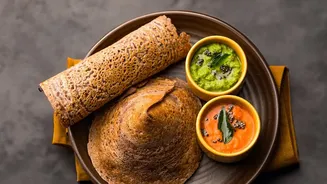
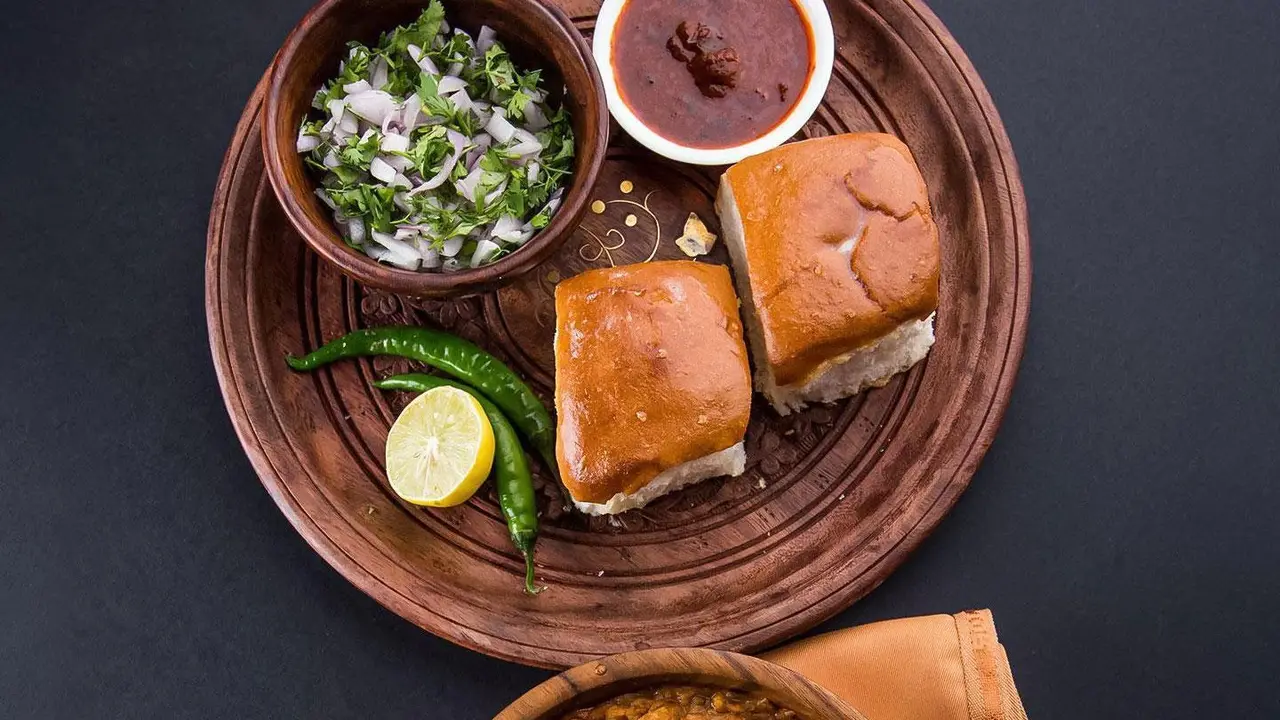
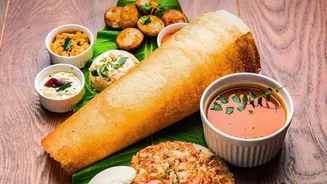
This has sparked a movement towards authenticity and storytelling. In recent years, a growing number of restaurants across Delhi have been deliberately building menus that celebrate the richness of India's regional cuisines, often focusing on dishes that rarely make it to mainstream menus. These establishments are moving beyond generic labels like 'North Indian' or 'South Indian' to explore the specific culinary traditions of regions like Bihar, Kashmir, and the Northeast. The focus is on provenance, celebrating heirloom recipes, traditional cooking techniques, and lesser-known ingredients that tell a story of a place and its people.
The Curators of Lost Recipes
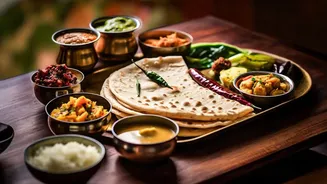
At the forefront of this trend are culinary curators who are reviving lost or forgotten dishes. Chefs are travelling to remote villages, learning from home cooks, and studying culinary history to bring back authentic flavours. In Delhi, this has manifested in pop-ups and dedicated restaurants reviving heirloom recipes. For instance, home-chef Naushy Mirza’s pop-ups have brought forgotten Lucknowi dishes like Roghni Tikkia and Karonde Keema to a new audience. She highlights how certain ingredients, like the tart berry 'karonde', are disappearing, and with them, the authentic taste of traditional dishes. Similarly, restaurants like The Potbelly have become synonymous with Bihari cuisine in Delhi, popularising staples like Litti Chokha and bringing home-style dishes like Champaran-style mutton to the forefront. Others, like Matamaal, offer a deep dive into Kashmiri food culture, going beyond Rogan Josh to serve extensive thalis that provide a true taste of Wazwan.
A Seasonal, Sustainable Shift
The 'seasonal' aspect of these menus is not just a trend; it's a philosophy rooted in tradition and sustainability. By using ingredients that are fresh and in-season, chefs can present a dish in its most flavourful and authentic form. This approach respects the natural agricultural cycles of a region, offering a taste that is true to a specific time and place. Urban diners are increasingly conscious of clean eating, moving away from processed foods toward slow-cooked, wholesome meals prepared with indigenous ingredients. Restaurants like Cafe Lota, located within the National Crafts Museum, exemplify this by creating an extensive and creative menu with regional specialities from across the country, such as Mahabaleshwar corn pattice and Kerala vegetable stew, changing with the availability of produce. This shift not only enhances flavour but also supports local farmers and promotes a more sustainable way of eating that aligns with age-old Indian practices.
More Than Just a Meal
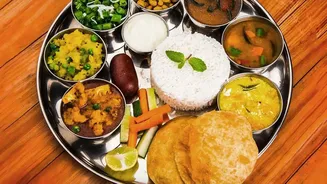
This movement is about more than just food; it’s about cultural preservation. Many of these dishes, passed down through generations, were at risk of fading into memory. By featuring them on their menus, Delhi's cafes and restaurants are acting as living archives, ensuring these culinary traditions are not only remembered but also experienced by a new generation. Restaurants are finding that authenticity can be a strong business advantage as urban diners become more curious about local flavours. Whether it's a dish from the royal kitchens of Mewar being recreated at a fine-dining establishment or a humble Bihari thali served in a quirky rooftop cafe, each plate carries a narrative. It tells a story of history, community, and the incredible diversity that defines Indian food. These menus invite diners to take a culinary journey across the country without ever leaving the city.