





What Exactly Are Ceramides?
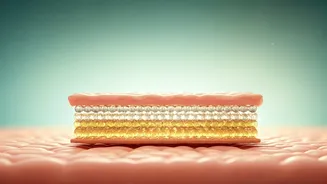
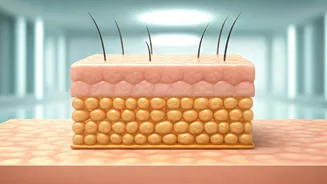
Think of your skin as a brick wall. The skin cells are the bricks, and ceramides are the mortar holding everything together. They are lipids, or fat molecules, that are naturally found in the outermost layer of our skin, the stratum corneum. In fact,
they make up about 50% of this outer layer. This 'mortar' is crucial for creating a protective barrier that keeps moisture in and harmful elements out. Without enough of this mortar, the wall becomes weak and leaky, which is where skin problems begin. Unlike trendy ingredients that come and go, ceramides are a fundamental component of healthy skin, making them less of a fad and more of a non-negotiable.
The Job of a Healthy Skin Barrier
So, why is this barrier so important? Its primary job is twofold. First, it’s responsible for retaining water within your skin cells, which is what keeps your skin hydrated, plump, and supple. When the barrier is intact, water loss is minimal, preventing the tightness and flakiness associated with dehydration. Second, it acts as a shield against the outside world. It protects your skin from environmental stressors like pollution, UV radiation, and other irritants. A strong ceramide-rich barrier prevents these aggressors from penetrating deeper into the skin, where they can cause inflammation, redness, and sensitivity. Essentially, ceramides are the silent guardians of your skin's health and resilience.
What Happens When Ceramides Deplete?
Unfortunately, our natural ceramide levels don't stay constant throughout our lives. They can be depleted by a number of factors. Age is a major one; our bodies produce fewer ceramides as we get older, which is a key reason why skin tends to become drier and more wrinkled with time. Environmental factors also play a huge role. Exposure to harsh weather, sun damage, and even over-exfoliating or using harsh soaps can strip ceramides from your skin. When these levels drop, the 'mortar' in your skin's wall weakens. This leads to increased water loss, resulting in dryness, irritation, and a compromised ability to defend against external threats. This is often the root cause of conditions like eczema, rosacea, and general skin sensitivity.
Finding Ceramides In Your Skincare
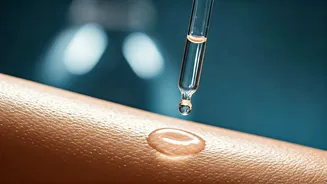
The good news is that we can supplement our skin's ceramide levels topically. When you're scanning an ingredients list, look for terms like 'Ceramide NP', 'Ceramide AP', 'Ceramide EOP', or 'phytosphingosine'. These are some of the most common types used in skincare. You'll find them in a variety of products, but they are most effective in leave-on treatments like moisturisers, serums, and creams. For an even bigger boost, look for formulas that pair ceramides with other skin-loving ingredients. They work exceptionally well with humectants like hyaluronic acid and glycerin (which draw water into the skin) and other lipids like cholesterol and fatty acids, as this combination mimics the skin’s natural barrier composition.
Who Can Benefit From Ceramides?
The simple answer is: almost everyone. Because ceramides are a natural, 'skin-identical' ingredient, they are generally well-tolerated by all skin types. However, certain people will notice the benefits more profoundly. If you have dry or dehydrated skin, a ceramide-rich moisturiser can be a game-changer for restoring hydration and comfort. For those with sensitive or irritation-prone skin, including conditions like eczema or rosacea, ceramides help to rebuild and strengthen the compromised skin barrier, reducing redness and reactivity. Similarly, if you use active ingredients like retinoids or chemical exfoliants (AHAs/BHAs), incorporating ceramides can help mitigate the potential for dryness and irritation. And for mature skin, replenishing lost ceramides helps to restore firmness and reduce the appearance of fine lines.