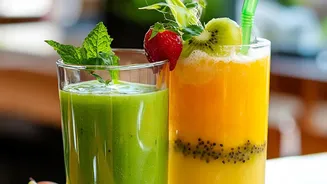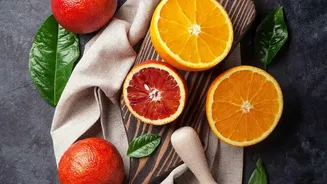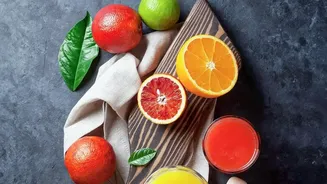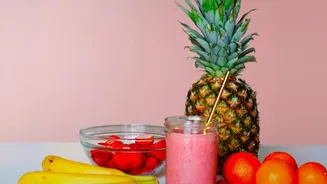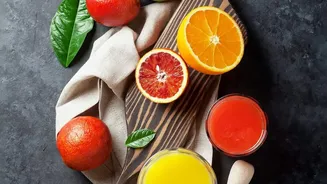


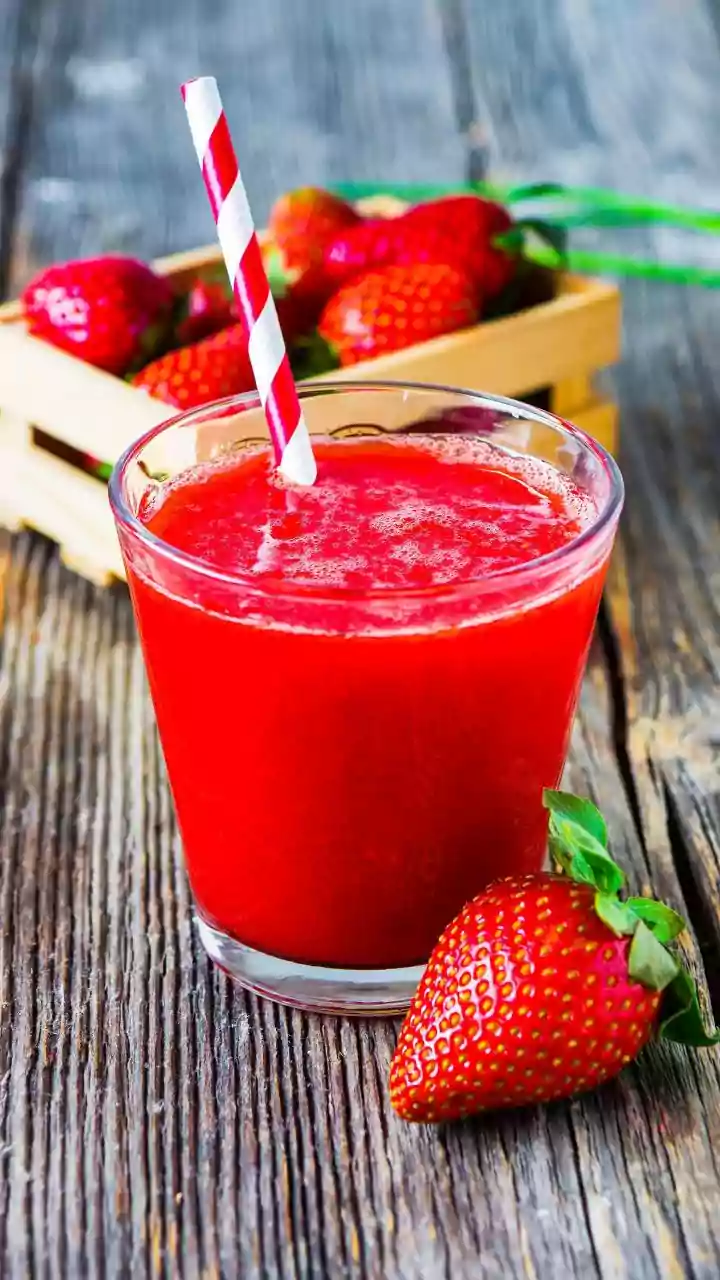
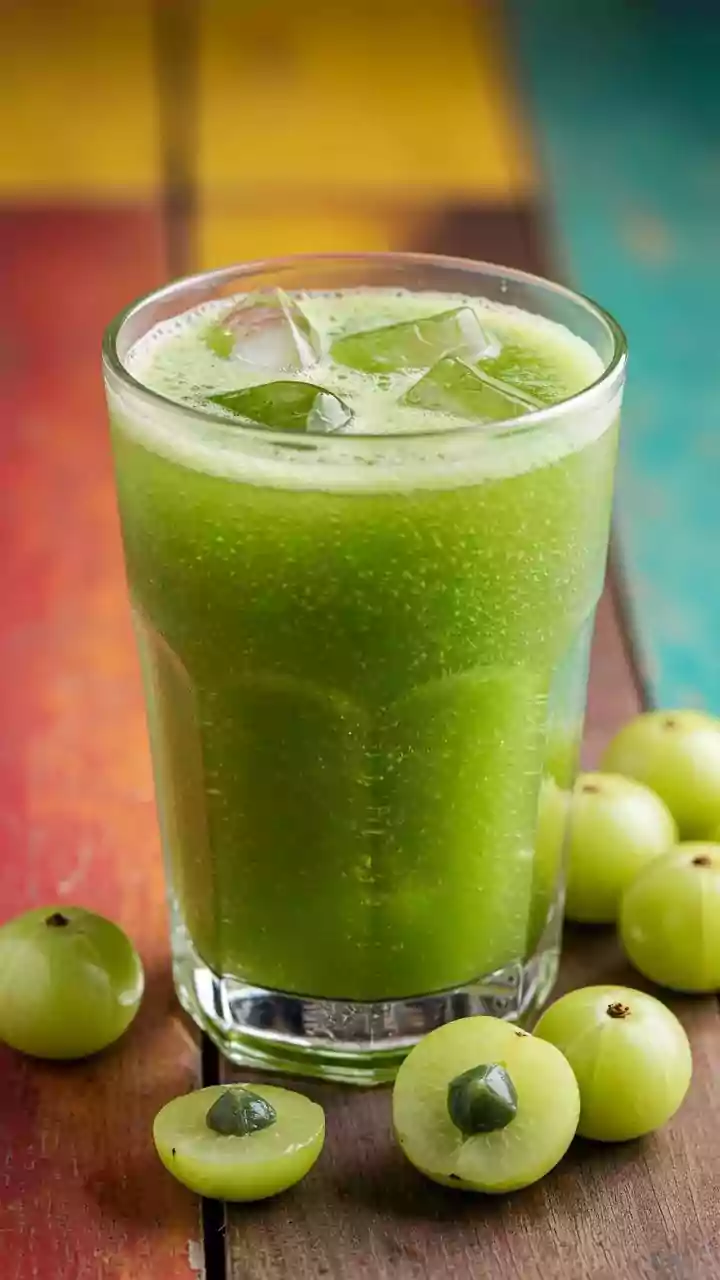



The All-Important Fiber Factor
The most significant difference between eating a fruit and drinking its juice is the fiber content. When you eat an apple or an orange, you consume the pulp and sometimes the skin, both of which are packed with dietary fiber. This fiber is crucial for
several reasons. It aids in healthy digestion, helps maintain regular bowel movements, and feeds the beneficial bacteria in your gut. During the juicing process, however, most of this beneficial fiber is removed and left behind as pulp. Even if some soluble fiber remains, the vast majority of the insoluble fiber, which provides bulk, is lost. This is a major nutritional drawback of juice.
A Tale of Two Sugars
Both whole fruit and 100% fruit juice contain natural sugar, mainly fructose. The key difference is how your body processes it. In whole fruit, the sugar is bound within a fibrous structure. This fiber matrix slows down the absorption of sugar into your bloodstream, leading to a more gradual rise in blood glucose levels. In contrast, the sugar in juice is considered 'free sugar', similar to sugar added to soft drinks. Without the fiber to slow it down, this sugar is absorbed rapidly, causing a quick spike in blood sugar and a subsequent sharp drop. This rapid spike can, over time, contribute to health issues like insulin resistance.
The Added Sugar Problem
The conversation becomes even more critical when we talk about commercially prepared juices with added sugar. These drinks can contain as much sugar as a can of soda. Added sugars provide 'empty calories' with no nutritional benefits and are linked to a host of health problems, including weight gain, type 2 diabetes, and heart disease. The World Health Organization recommends limiting free sugars, which includes sugars in fruit juices and those added by manufacturers, to less than 10% of your daily energy intake. Reading labels carefully is essential to distinguish between 100% fruit juice and 'fruit drinks' or 'nectars', which often have significant amounts of added sugar.
Feeling Full vs. Staying Thirsty
Have you ever noticed that you can drink a glass of orange juice much faster than you could eat the four or five oranges it took to make it? This highlights another key difference: satiety, or the feeling of fullness. The act of chewing and the presence of fiber in whole fruit signal to your brain and stomach that you are eating, helping you feel full and satisfied. Liquid calories from juice are not as filling. Because juice is less satiating, it's easier to consume a large number of calories and sugar in a short period without feeling full, which can lead to overconsumption and potential weight gain.
What About the Vitamins?
Juice isn't entirely without merit. It does contain vitamins and minerals, and for people who struggle to eat enough fruit, it can be a convenient way to get some nutrients. However, the juicing process can expose sensitive nutrients, like Vitamin C, to light and air, causing some of them to degrade. Furthermore, many beneficial antioxidants and plant compounds, known as polyphenols, are bound to the fiber in the fruit's pulp and skin, which are discarded during juicing. So, while you still get some vitamins, you're missing out on the full package of nutrients offered by the whole fruit.