





What is a Flight Diversion?
A flight diversion is a procedure where an aircraft lands at an airport other than its intended destination. The decision is never taken lightly and is made by the pilot-in-command, often in coordination with the airline's operations centre and Air Traffic
Control (ATC). While diversions account for a small fraction of total flights—around 0.2% to 0.3%—they are a critical tool for managing unforeseen circumstances. The fundamental principle is simple: when faced with a potential risk, the crew will always choose the safest course of action, even if it means landing at an unplanned location.
The Most Common Triggers
Diversions are prompted by a range of issues that fall into a few key categories. The most common cause is adverse weather, such as thunderstorms, heavy fog, or dangerous crosswinds at the destination airport that make a safe landing impossible. Another frequent reason is a medical emergency onboard. If a passenger or crew member requires urgent medical attention beyond the capabilities of the flight crew, the pilot will divert to the nearest airport with suitable medical facilities. Technical issues, ranging from a faulty sensor to more significant engine or system malfunctions, also necessitate landing as soon as is safely possible to allow for maintenance checks. Finally, security threats, including unruly passengers or suspicious items, can lead to a diversion to resolve the situation on the ground with law enforcement.
The Pilot's Critical Decision
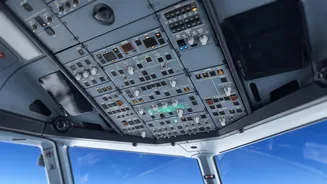
The ultimate responsibility for a diversion rests with the pilot-in-command. They are trained extensively to assess developing situations, weigh risks, and make a decisive call. This decision-making process involves evaluating the severity of the issue, the aircraft's status (including fuel reserves), and identifying suitable alternate airports. The chosen airport must not only be within safe range but also have a runway long enough for the aircraft and the necessary ground services to handle an unscheduled landing, such as customs, fuelling, and passenger assistance. The pilot’s authority is absolute in these moments; their primary duty is to the safety of everyone on board, superseding schedules and operational targets.
A Symphony of Coordination
Once the pilot decides to change course, they immediately communicate with Air Traffic Control (ATC). ATC controllers then play a crucial role in clearing a path for the aircraft, guiding it safely through airspace, and coordinating with the destination airport to prepare for its arrival. This ensures the diverted flight receives priority and that the landing is as smooth and efficient as possible. On the ground, the airline’s operations team springs into action, arranging for everything from a new gate and ground crew to accommodation and onward travel for passengers. This complex coordination ensures that a potentially chaotic event is managed with structured, well-practised procedures.
Safety Over Schedule, Always
For passengers, a diversion is undoubtedly an inconvenience, often leading to significant delays and missed connections. For airlines, it represents a substantial unplanned cost in fuel, landing fees, and passenger care. However, the aviation industry operates on a foundational principle of safety first. A diversion is the embodiment of this philosophy. It demonstrates a system working exactly as it should—identifying a potential hazard and mitigating it proactively. It shows that no schedule is more important than the lives of the passengers and crew. While the destination may change unexpectedly, the commitment to a safe outcome remains constant.