




What Is This 'Miracle Tree'?
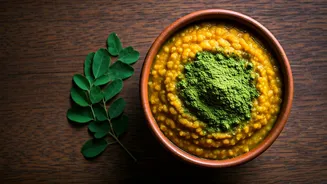
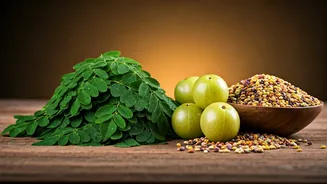
Before it was a trendy powder in a jar, moringa was just a tree. Specifically, the *Moringa oleifera* tree, a fast-growing, drought-resistant plant native to the Indian subcontinent. For generations in India, it’s been known as the ‘drumstick tree’ (*shevga*
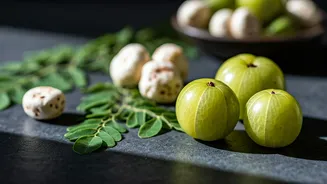
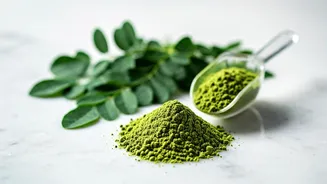
in Marathi, *shobhanjan* in Hindi) and revered in Ayurvedic traditions. Almost every part of the tree is edible and has been used for centuries, from the long seed pods in sambar to the leaves in dals and sabzis. The powder that’s gaining global fame is simply made from its dried and ground leaves, concentrating its impressive nutritional profile into a convenient form.
A Look at the Nutritional Powerhouse
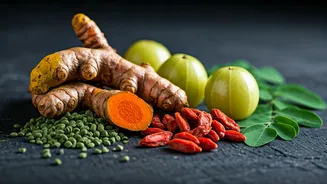
The reason moringa has captured the attention of the wellness world is its dense nutritional content. Gram for gram, moringa leaves are packed with beneficial compounds. They are an excellent source of vitamins and minerals, including Vitamin C, which is crucial for immune cell function; Vitamin A, important for maintaining the integrity of our respiratory and intestinal tracts; and iron, which plays a key role in immune responses. Furthermore, moringa is rich in antioxidants like quercetin and chlorogenic acid. These are compounds that help fight free radicals in the body, reducing oxidative stress and inflammation, which are underlying factors in many chronic diseases.
The Immunity Claim: Hype vs. Reality
So, does this nutritional profile translate into a direct “immunity boost”? This is where we need to be careful. The claim largely stems from moringa's high concentration of nutrients that are known to *support* a healthy immune system. A diet rich in Vitamin C, A, and antioxidants is fundamental for robust immunity. In that sense, moringa can certainly contribute to your daily intake and help fortify your body's natural defences. However, the idea that it can “boost” your immunity like a switch is an oversimplification. Scientific research on moringa's direct impact on human immunity is still in its early stages. While some lab and animal studies show promising anti-inflammatory and immune-modulating effects, these results don't always translate directly to humans. Think of moringa not as a magic bullet to prevent colds, but as a valuable player on a team that includes a balanced diet, regular exercise, adequate sleep, and stress management. It supports the system; it doesn't replace it.
How to Use Moringa Powder
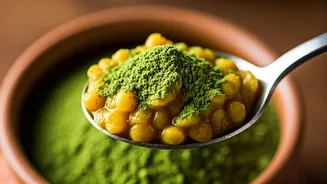
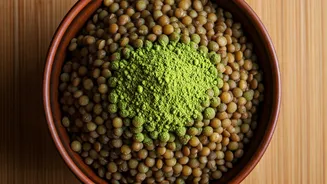
If you're curious to try it, incorporating moringa powder into your diet is simple. It has a slightly earthy, green taste, similar to spinach or matcha, so it blends well into both savoury and sweet dishes. A good starting point is about half to one teaspoon per day. Here are some easy ways to use it: - **Smoothies:** Add a teaspoon to your morning green smoothie for an extra nutrient kick. - **Drinks:** Stir it into a glass of warm water with a squeeze of lemon and a drop of honey. - **Dal and Curries:** Mix it into your favourite dal, soup, or curry just before serving to preserve its nutrients. - **Dough:** Knead a small amount into the dough for rotis or parathas to give them a green hue and added nutrition. - **Sprinkle:** Use it as a garnish over salads, scrambled eggs, or yoghurt.
A Word of Caution
While moringa is generally safe for most people when consumed in food amounts, moderation is key. Taking very high doses can lead to digestive issues like an upset stomach or diarrhoea. More importantly, certain individuals should exercise caution. The roots and bark of the moringa tree contain compounds that can be harmful, so stick to commercially prepared leaf powders from reputable brands. If you are pregnant, breastfeeding, or taking medication for conditions like diabetes, high blood pressure, or thyroid issues, it is essential to consult your doctor before adding moringa to your routine, as it can interact with these medications and conditions.