


The thrill of seeing a one-horned rhinoceros in its natural habitat is what draws thousands to Kaziranga National Park. For most, the open-air jeep safari is the ticket to this incredible world. But what is the experience really like?
The Promise of the Park
Kaziranga National
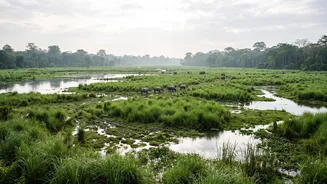
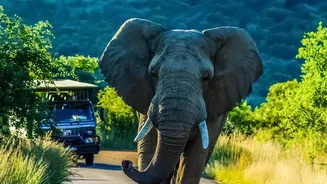
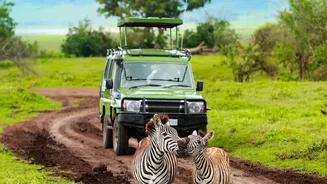
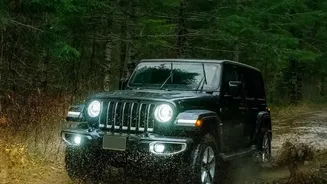
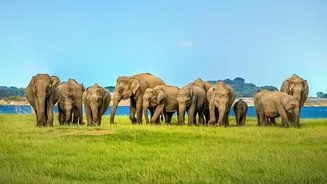
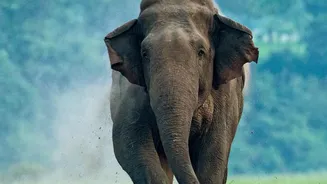
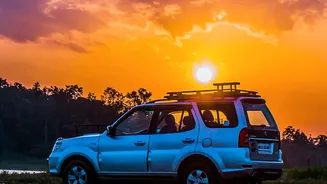
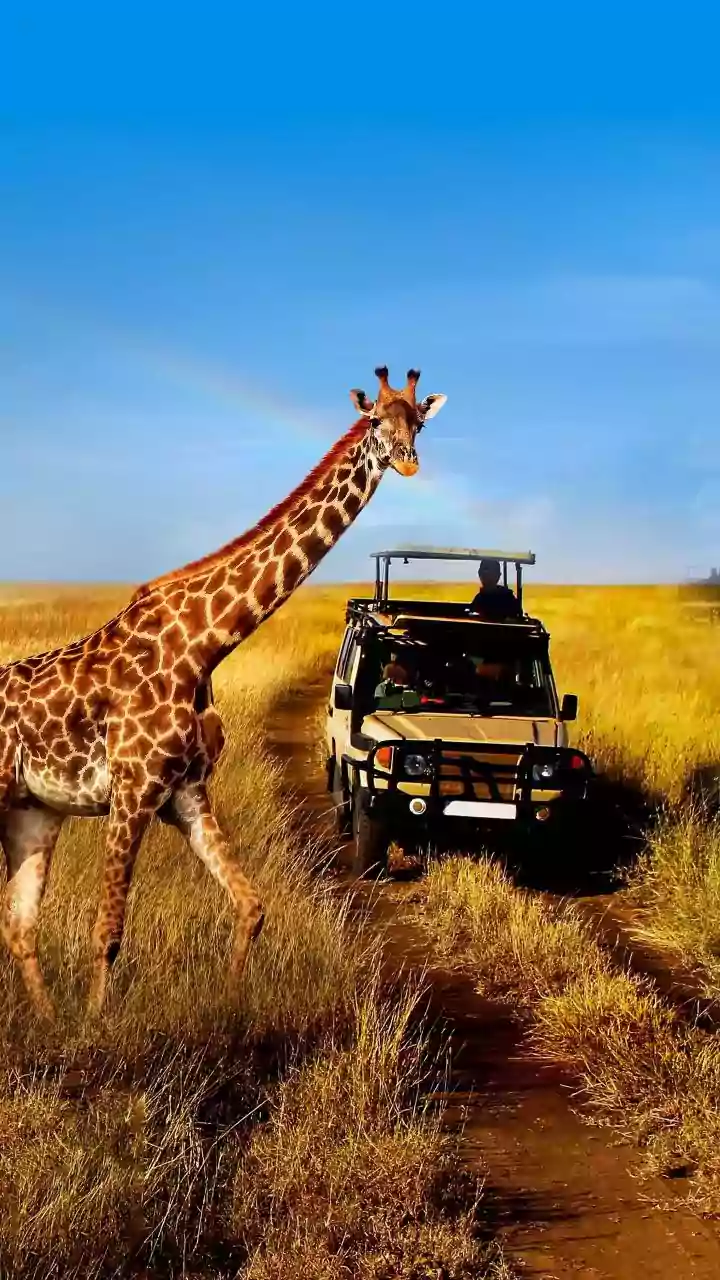
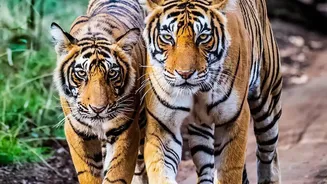
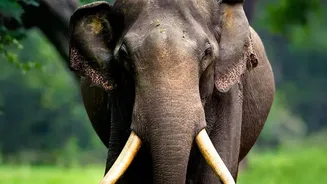
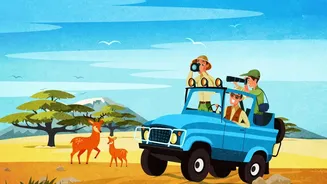
Park, a UNESCO World Heritage Site in Assam, is a global conservation success story. It hosts two-thirds of the world’s great one-horned rhinoceros population. But the park is more than just rhinos; it's a vibrant ecosystem teeming with Asiatic elephants, wild water buffalo, swamp deer, and one of the highest tiger densities in the world. The open-top jeep safari is the most popular way to traverse the vast grasslands and forests, offering a front-row seat to this wild drama. Typically lasting around two hours, these safaris run in both the morning and afternoon, allowing visitors to cover significant ground across the park's varied landscapes.
Choosing Your Adventure: The Four Zones
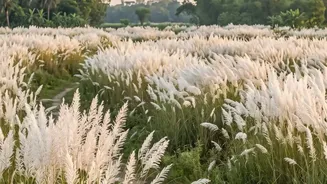
Kaziranga is divided into four main tourist zones, and the jeep safari experience can differ significantly between them. Understanding their unique characters is key to planning your trip. The Central Range (Kohora) is the most popular and accessible, offering a great mix of grasslands and forests with a high probability of rhino and elephant sightings, making it ideal for first-time visitors. The Western Range (Bagori) is famous for its open grasslands and offers arguably the best opportunities for close-up rhino photography. For birdwatchers, the Eastern Range (Agoratoli) is a paradise. It's quieter, features extensive wetlands along the Brahmaputra, and offers a chance to see migratory birds, otters, and occasionally, tigers. Finally, the Burapahar Range offers a hillier, more rugged terrain, perfect for those seeking a more offbeat jungle experience with fewer crowds.
The Highs: Unforgettable Wildlife Encounters
The primary advantage of a jeep safari is its range. You can cover far more territory than on foot or by elephant, increasing your chances of seeing a diverse array of animals. The open grasslands of the Western and Central zones mean that sightings of rhinos, often grazing nonchalantly near the safari tracks, are almost guaranteed. Herds of wild elephants, graceful swamp deer, and imposing wild water buffalo are also common sights. The raised perspective of a jeep provides excellent vantage points for photography, especially in the golden light of the early morning or late afternoon. It’s also a more comfortable option for families, older travellers, and those with mobility issues.
The Lows: Managing Your Expectations
A 'balanced look' means acknowledging the downsides. The popularity of Kaziranga, especially the Central Zone, can lead to a convoy of jeeps, which can detract from the feeling of being in the wild. The terrain can be dusty, and the noise of the vehicles can sometimes cause more timid animals, like tigers, to remain hidden. Unlike an elephant safari, which can venture off-track into tall grasslands, jeeps are restricted to designated paths. This means your experience is curated and controlled. Booking can also be competitive, especially during peak season (December-January), so planning in advance is crucial.
Practical Tips for a Better Safari
To make the most of your jeep safari, a little preparation goes a long way. The park is generally open from November to April, with the best wildlife sightings often in the drier months of March and April. Booking your safari online through the official government portal is the most reliable method. If you're keen on seeing rhinos up close, consider a safari in the Western (Bagori) zone. For birding, head east to Agoratoli. Many veterans suggest doing at least two safaris in different zones and at different times of day to get a comprehensive experience. For instance, combine an afternoon jeep safari in the Central Range with a morning one in the Western Range.