



The First Rule: Cool And Separate
Before you store anything, the most critical step is to let all sweets and savouries cool down to room temperature completely. Storing them while still warm creates condensation, which is the primary cause of sogginess and spoilage. Once cool, separate
different types of treats. Storing a fragrant gulab jamun next to a savoury mathri will lead to an unwelcome fusion of flavours. Use clean, dry, and most importantly, airtight containers to protect your goodies from their biggest enemies: air, moisture, and competing aromas.
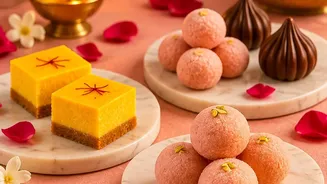
For Milk-Based Sweets (Barfi, Peda, Kalakand)
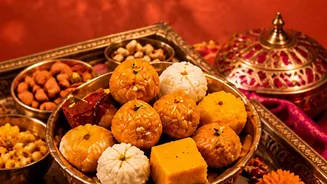
Sweets made with milk, khoya, or paneer are the most perishable and require immediate attention. Items like milk barfi, peda, and kalakand have high moisture content, making them a breeding ground for bacteria. These must be refrigerated. For best results, place them in a glass or steel container with a tight-fitting lid. When stored correctly in the fridge at a temperature between 2°C and 5°C, they should last for about two to four days. Never leave them at room temperature for more than a day.
For Ghee And Flour-Based Laddoos
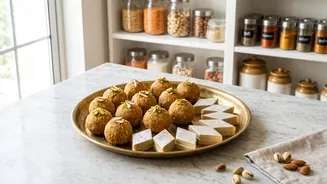
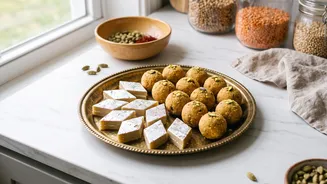
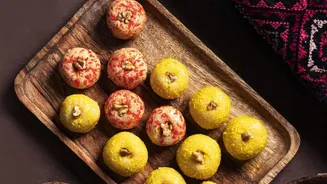
Treats like besan laddoos, motichoor laddoos, and atta laddoos are far more stable due to their lower moisture content and the preservative qualities of ghee and sugar. These can be stored at room temperature in an airtight container for up to a week. For a longer shelf life, especially in humid climates, refrigeration is a good option. They can last for two to three weeks in the fridge, though they might harden slightly. Simply let them sit at room temperature for about 15-20 minutes before serving to restore their texture.
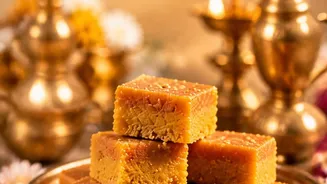
For Dry Fruit And Nut Delicacies (Kaju Katli)
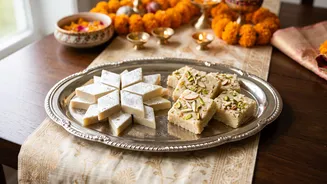
Sweets dominated by nuts and sugar, such as kaju katli, badam barfi, and other dry fruit rolls, have a decent shelf life. The key is to protect them from air, which can make them dry and hard, and from humidity, which can make them soggy. Store them in an airtight tin or container at room temperature in a cool, dry place away from sunlight. They will generally stay fresh for about five to seven days. If you need to store them longer, they can be refrigerated for up to two weeks.
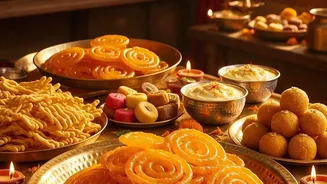
For Syrupy Sweets (Gulab Jamun, Rasgulla)
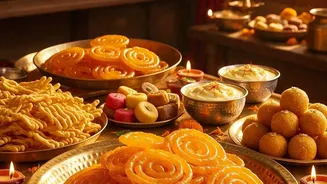
For syrupy sweets like gulab jamun and rasgulla, the syrup itself acts as a preservative. However, they are still highly perishable due to their milk-solid base. Always store them submerged in their syrup in a glass or food-grade plastic container in the refrigerator. Do not leave them out at room temperature for more than a few hours. When refrigerated, they will remain safe and delicious for three to four days. Avoid freezing these, as the crystallization process can ruin their soft, spongy texture.
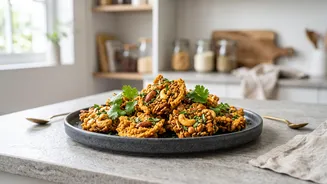
For Crispy Savouries (Chakli, Mathri, Chivda)
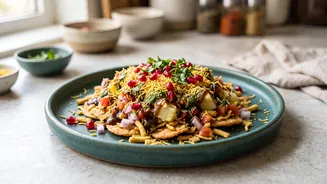
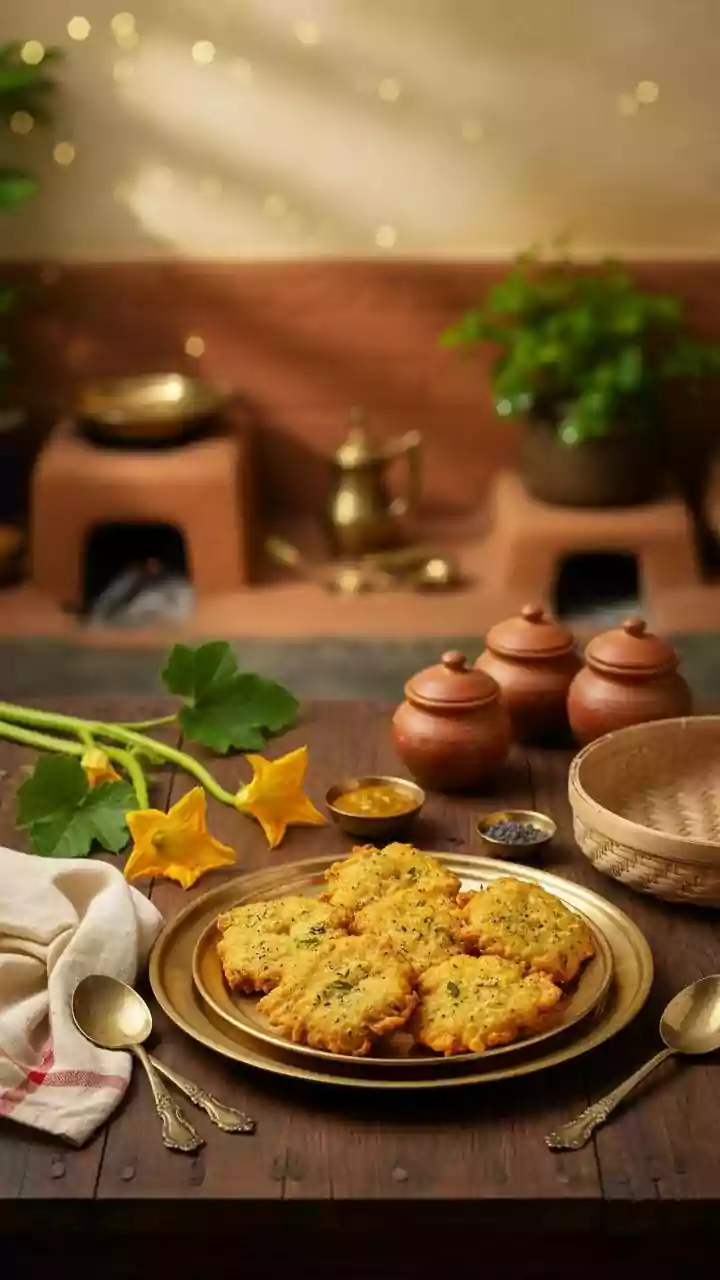
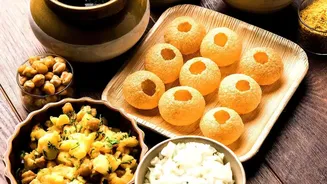
When it comes to savoury snacks like chakli, mathri, sev, and chivda, the number one goal is to maintain their crunch. Humidity is their greatest foe. Ensure they are completely cool and store them in a truly airtight container, preferably steel or glass. Keep them in a cool, dry pantry away from any direct sunlight or air exposure. Avoid the refrigerator, as the cool, moist air can make them lose their crispness. If stored properly, these fried snacks can easily last for two to four weeks.
Long-Term Storage: The Freezer Option
Many sweets, particularly those that are dense and low in moisture, freeze remarkably well. Besan laddoos, kaju katli, and dry barfis can be wrapped individually in foil or plastic wrap, placed in a ziplock bag, and frozen for up to two months. To thaw, simply move them to the refrigerator for a few hours and then bring to room temperature before serving. Some savouries like mathri can also be frozen. However, avoid freezing milk-based sweets like kalakand or syrupy desserts, as their texture will degrade upon thawing.