






Tyres: Your First Line of Defence
Your car's only contact with the wet, treacherous road is its tyres, making them the single most critical safety component. Before you even think of hitting the highway, inspect your tyres thoroughly. The tread depth should be at least 3mm for a safe grip
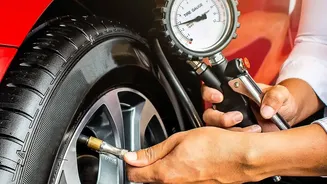
on wet surfaces. A simple way to check is with a coin; if the tread doesn't cover a significant portion, it's time for a replacement. Also, check for the manufacturing date on the sidewall, as rubber hardens after 4-5 years, reducing grip even if the tread looks fine. Ensure tyre pressure is set to the manufacturer's recommended level, and don't forget to check the spare tyre—a flat spare during a downpour is a nightmare you want to avoid.
Brakes: Essential for Slippery Slopes
Braking distances increase significantly on wet roads. In the hills, where you're constantly navigating steep inclines and declines, your brakes work overtime. A pre-trip inspection is non-negotiable. Listen for any squealing or grinding sounds, which indicate worn brake pads. Brake fluid is another crucial element; it can absorb moisture over time, leading to a 'spongy' feel and reduced effectiveness. If the fluid hasn't been changed in two years, get it flushed and replaced. On wet roads, especially on painted surfaces like zebra crossings which become extra slippery, brake gently and earlier than you normally would.
Vision: See and Be Seen
Clear visibility is paramount during a monsoon drive. Worn-out wiper blades that leave streaks or skip across the windshield are a major hazard. It's a good practice to replace them at the start of each monsoon season. Always keep your windshield washer fluid topped up with a proper cleaning solution, not just water, to effectively clear away mud and grime splashed by other vehicles. Equally important is ensuring all your car's lights are working—headlights, taillights, brake lights, and indicators. Use your low-beam headlights during heavy rain, even in the daytime, to make your vehicle more visible to others. Avoid using high beams, as they reflect off the rain and can blind oncoming drivers.
Under the Hood: Key Mechanical Checks
Before embarking on a long drive to the hills, a quick look under the bonnet is essential. Check the levels of all critical fluids, including engine oil, coolant, and brake fluid. The battery is another component that can fail unexpectedly in damp conditions or heavy traffic. Ensure the terminals are clean and the battery is holding its charge. A pre-monsoon service at an authorised centre is the best way to get a professional opinion on the health of your engine, battery, and wiring. Also, check the fan belt to ensure it isn't loose or worn, as a failure can cause the engine to overheat quickly, especially on steep climbs.
The Monsoon Emergency Kit
Getting stranded is a real possibility during monsoon trips. A well-stocked emergency kit can be a lifesaver. This should include a basic first-aid box, a powerful torch with extra batteries, and a tow rope. Pack non-perishable snacks and an ample supply of drinking water in case you're stuck for an extended period. A portable tyre inflator and a puncture repair kit are invaluable. Other useful items include a hammer to break glass in case power windows fail, a portable charger for your phone, waterproof bags for your electronics, and an umbrella or raincoat.
Smart Driving on Hilly Roads
Driving in the mountains during rain requires a different approach. Reduce your speed significantly and maintain a greater following distance from the vehicle ahead. When going downhill, use a lower gear to let the engine do some of the braking, preventing your brakes from overheating. Be extra cautious on sharp curves and honk to alert oncoming traffic. Avoid driving through large puddles, as you can't be sure of their depth or what lies beneath. If visibility becomes dangerously low due to heavy rain or fog, it's safest to pull over at a secure spot—well off the road—and wait for conditions to improve.