





Start With a Smarter Drying Technique
The way you dry your hair is the first line of defence against monsoon damage. Wet hair is fragile and more prone to breakage. Instead of vigorously rubbing your hair with a standard cotton towel, which creates friction and frizz, gently squeeze out excess
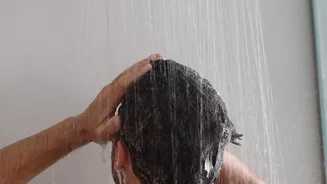
water. Switch to a soft microfiber towel or an old cotton t-shirt to blot and wrap your hair. This absorbs water effectively without roughing up the hair cuticle, helping to prevent frizz before it starts. If you get caught in the rain, rinse your hair with clean water as soon as possible to wash away pollutants that can cause scalp irritation and infections.
Prioritise Scalp Health
A damp scalp is a breeding ground for fungal infections, dandruff, and itchiness. The combination of sweat and humidity can clog hair follicles, leading to discomfort and increased hair fall. It's crucial to keep your scalp clean by washing your hair two to three times a week with a mild, sulphate-free shampoo. If you're prone to dandruff, consider using a shampoo with anti-fungal properties. Most importantly, never leave your scalp damp for long periods. Avoid tying up wet hair or going to bed before your hair is completely dry, as this traps moisture and encourages fungal growth.
Master the Art of Combing
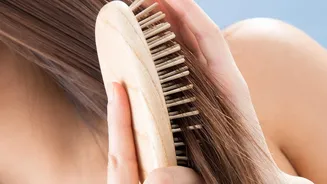
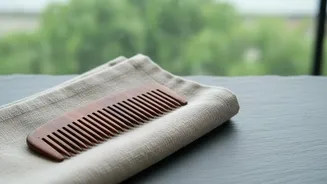
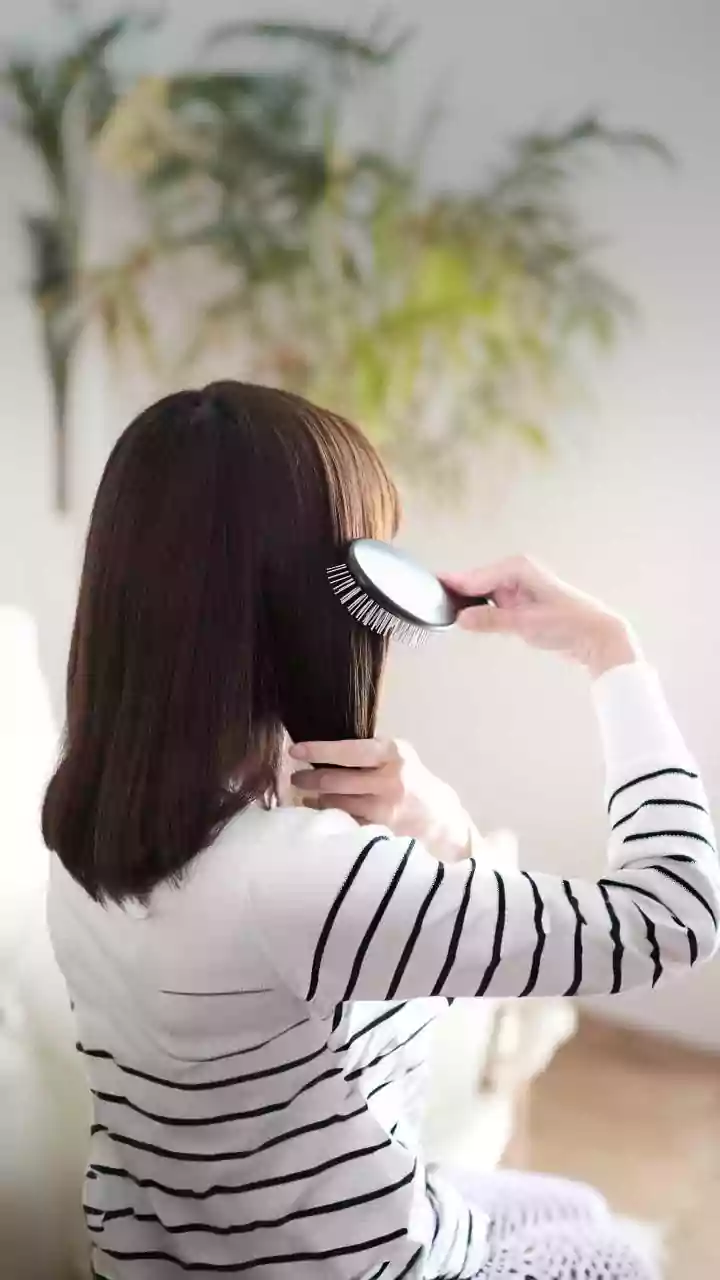
Aggressive combing, especially when hair is wet, is a major cause of breakage during the monsoon. After washing, use a wide-tooth comb to gently detangle your hair, starting from the ends and working your way up to the roots. This method prevents you from pulling on knots and snapping the delicate, wet strands. For hair that's especially prone to tangles, apply a leave-in conditioner or serum to damp hair to create slip, making the detangling process much smoother. Avoid brushing dry, curly, or wavy hair, as this can disrupt your natural hair pattern and increase frizz.
Use the Right Products to Fight Humidity
During the monsoon, your hair needs products that create a barrier against the high humidity in the air. After washing and conditioning, apply a lightweight, anti-frizz serum to your damp hair, focusing on the lengths and ends. Look for products containing ingredients that seal the hair cuticle to lock out excess moisture. A good conditioner is also non-negotiable, as it helps to smooth the hair's surface and reduce frizz. For an extra boost of nourishment, incorporate a deep conditioning hair mask into your routine once a week. This will help replenish moisture that might be lost, keeping your hair soft and manageable.
Limit Heat Styling and Tight Hairstyles
Since hair is already in a vulnerable state during the monsoon, it's best to minimise additional stressors like heat styling. Let your hair air-dry whenever possible. If you must use a blow dryer, use it on a cool or low-heat setting and always apply a heat protectant first. Point the nozzle downwards to help flatten the cuticle and reduce frizz. Similarly, avoid tight hairstyles like high ponytails or tight braids when your hair is damp. These styles pull on the already weakened hair follicles, which can lead to increased breakage and hair fall. Opt for looser hairstyles that don't put a strain on your roots.