








The Brain's Hidden Gatekeeper
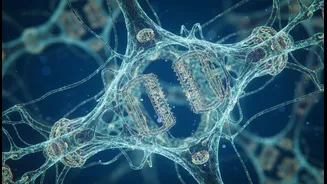
Scientists at Penn State have identified a new function for a structure inside brain cells that could fundamentally change our understanding of neurodegenerative diseases. They found that a lattice-like structure just beneath the neuron's surface, called
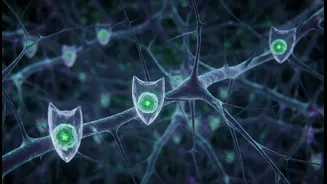
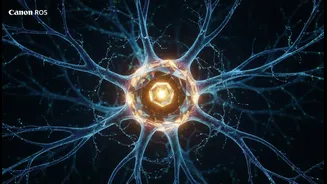
the membrane-associated periodic skeleton (MPS), acts as a microscopic gatekeeper. Previously, this internal skeleton was thought to primarily help the cell maintain its shape. However, new research published in Science Advances reveals it plays a far more active and crucial role: regulating how and when the neuron absorbs materials from its environment. This process, known as endocytosis, is vital for nutrient uptake and basic brain function, but it's also the pathway through which harmful substances can enter the cell.
An Open Door for Alzheimer's
The connection to Alzheimer's lies in how this gatekeeper system can fail. The research team discovered that when the MPS is disrupted or weakened, it's like leaving the front door of the neuron wide open. This breakdown allows the cell to absorb materials from its surroundings much more rapidly and without regulation. In experiments, when this protective barrier was compromised, neurons began to absorb excessive amounts of proteins that are precursors to amyloid-beta, a toxic molecule that forms the infamous plaques found in Alzheimer's brains. This uncontrolled uptake led to higher levels of these harmful proteins inside the cells, causing stress and eventually cell death—a classic hallmark of the disease's progression.
A New Target for Future Drugs
This discovery is so exciting because it presents a completely new target for potential therapies. For years, Alzheimer's research has focused heavily on finding ways to clear amyloid plaques and tau tangles after they've already formed. While recent drugs like lecanemab and donanemab, which work to clear amyloid, have shown modest success in slowing cognitive decline, they are not a cure and come with risks. The new findings suggest a different, more preventative strategy. Instead of cleaning up the damage, future treatments could focus on strengthening and protecting the MPS, the cellular gatekeeper. By keeping this barrier intact, it might be possible to slow or even prevent neurons from absorbing the toxic proteins in the first place, stopping the disease process at a much earlier stage.
The Road from Lab to Clinic
It is crucial to put this breakthrough into perspective. This is fundamental science, a critical new piece of the puzzle, but it is not a cure that will be available tomorrow. The findings come from studies on neurons cultured in a lab, and the next steps will involve validating these results in animal models before any human trials can even be considered. Researchers need to understand precisely how the MPS weakens in aging and diseased brains and then identify compounds that could safely reinforce it. This process of drug discovery, development, and rigorous testing takes many years, often more than a decade. The path is long, but this discovery illuminates a promising new road to follow in the complex journey to conquer Alzheimer's disease.