

A National Shift in Snacking
A quiet revolution is happening in India’s kitchens and office drawers. Driven by growing health consciousness, consumers are increasingly looking for snacks that do more than just satisfy a craving. This shift, accelerated by a post-pandemic focus on wellness,
has led to a surge in demand for products with 'clean labels,' natural ingredients, and functional benefits like high protein and fibre. Words like “baked,” “roasted,” and “air-popped” are becoming powerful selling points as people actively seek alternatives to traditional fried and processed snacks. Market data confirms this isn't just a niche trend; India's healthy snacks market was valued at over USD 3 billion in 2025 and is projected to grow significantly, with some estimates suggesting a faster growth rate than the global average.
Meet the New Contenders
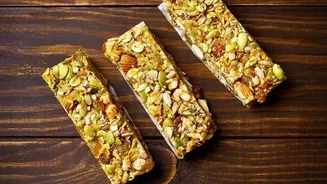
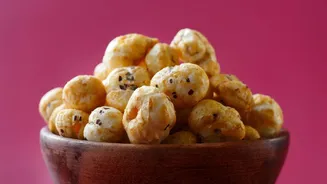
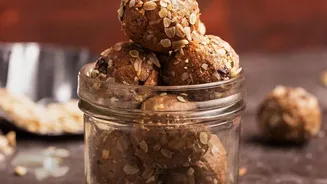
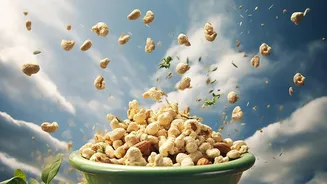
The new Indian snack basket is diverse and innovative. Traditional ingredients are being repackaged for the modern, health-conscious consumer. Makhana (fox nuts), once primarily a food for fasting, is now a mainstream star, available in various roasted and spiced flavours as an alternative to potato chips. Millet-based products—from crackers and chips to cookies—are also surging in popularity, answering the call for snacks made from whole grains instead of refined flour. Other popular options include roasted chickpeas, granola bars, protein-rich energy balls, and baked vegetable chips. A plethora of direct-to-consumer (D2C) brands have emerged, leveraging e-commerce and quick-commerce platforms to bring these innovative products directly to urban households.
Is the Biscuit Losing Its Bite?
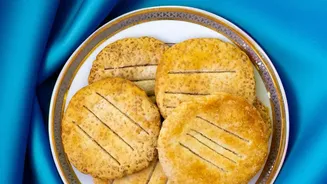
So, does this spell the end for iconic biscuits like Parle-G or Britannia's Good Day? Not at all. While the healthy snacks category is expanding rapidly, the Indian biscuit market remains a behemoth. Valued at over USD 5 billion in 2024, it is also projected to continue growing, albeit at a more moderate pace than the newer health-focused segment. Rather than a replacement, what we are seeing is a diversification of the snack basket. Consumers are buying both: healthier options for daily, guilt-free munching and traditional biscuits for moments of comfort and indulgence. Moreover, legacy brands are not standing still. They are actively innovating by launching their own healthier lines, such as multigrain, oat-based, and reduced-sugar biscuits, to cater to the evolving consumer.
The Perfect Storm for Change
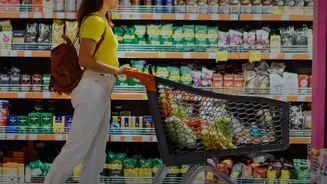
Several factors have converged to fuel this trend. Rising disposable incomes give consumers the ability to pay a premium for healthier options. Increased urbanisation and busier lifestyles have also boosted the demand for convenient, on-the-go nutrition. A consumer survey found that 72% of respondents seek functional benefits like energy and protein from their snacks, and a majority are willing to pay more for them. The explosion of e-commerce and quick-commerce platforms has made a wide variety of healthy snacks more accessible than ever, especially in Tier 2 and Tier 3 cities. This digital access, combined with a greater awareness of lifestyle diseases, has created the perfect environment for the healthy snack market to thrive.