



The Rise of the 'Healthy' Snack
India's healthy snack market is booming, with projections showing it will grow at a compound annual growth rate (CAGR) of around 8-10%. This surge is driven by a new generation of urban consumers who are more health-conscious, aware of lifestyle diseases,
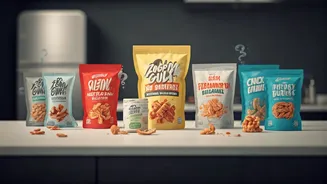
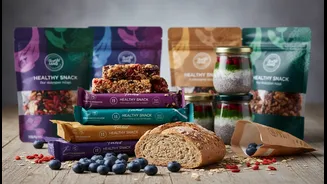
and willing to spend on wellness. A recent 2026 report found that 86% of Indian consumers now see protein as a vital part of their snacks. Brands have responded with an array of products featuring buzzwords like 'high-protein', 'all-natural', and 'organic'. This creates a "health halo," where the packaging gives an impression of health that can sometimes be misleading, encouraging consumers to pay a premium for what they believe are superior products.
Decoding the Buzzwords
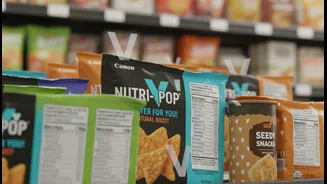
The language on snack packages can be confusing. Terms like "natural," "organic," or "vegan" sound great, but they have specific meanings—and sometimes brands use them incorrectly. The Food Safety and Standards Authority of India (FSSAI) has regulations for these claims, but enforcement can be a challenge. For instance, a product can only be called "organic" if it has the proper certification, including the Jaivik Bharat logo. Similarly, a "vegan" claim requires prior approval. Recently, the FSSAI has issued notices to several companies for using terms like "Healthy," "True Vitamin," or "Fresh" in ways that could mislead consumers about a product's actual nutritional value. A claim like "baked, not fried" might seem healthy, but the product could still be high in sodium or refined carbohydrates.
The Price of a Promise
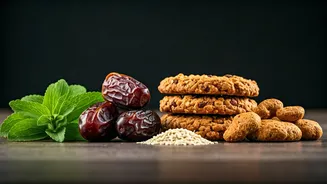
There's no denying that healthy snacks often come with a higher price tag. A recent study noted that about one-third of consumers are willing to pay more for protein-rich products. The question is whether this premium is for superior ingredients or simply for sophisticated marketing. Sometimes, the extra cost is justified by more expensive production processes, like using whole grains instead of refined flour or natural sweeteners like dates instead of sugar. However, in other cases, the price hike is tied to the branding and claims themselves. Consumers are paying for the idea of health, which may not always be reflected in the product's composition. This makes it essential for buyers to become more discerning.
How to Be a Smarter Snacker
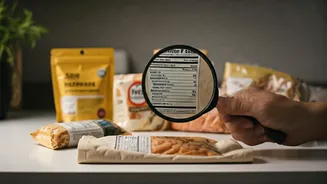
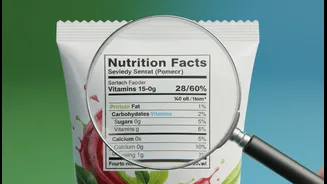
The single most powerful tool for a consumer is the ability to read and understand the back of the package. Ignore the flashy claims on the front and turn the product over. According to FSSAI regulations, the ingredients list must be in descending order by weight. If sugar, salt, or a type of oil is one of the first few ingredients, that's a red flag. Look at the nutritional information panel. Pay attention to the serving size—often, the calorie and sugar counts are for a small portion, not the whole package. Ingredient transparency is now the most important factor for 62% of snack consumers, far outweighing celebrity endorsements. This shift shows that people are ready to look beyond the hype and demand real value for their money.