








The Sweet Breakfast Trap
For many of us, breakfast has long been the sweetest meal of the day. We reach for toast with jam, sugary cereals, sweet pastries, or even just a cup of sweetened chai and a biscuit. While these foods provide a quick burst of energy, it’s often short-lived.
This is because simple carbohydrates and sugars are digested rapidly, causing a spike in blood sugar followed by a sharp drop. This crash is what leaves you feeling tired, unfocused, and hungry again just a couple of hours after you’ve eaten. It creates a cycle of snacking on more quick-energy foods, disrupting your appetite and energy levels for the rest of the day. Essentially, a sweet start can sabotage your productivity and well-being before your workday has even truly begun.
The Rise of Savory Mornings
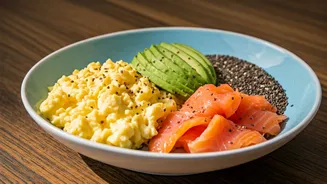
The trend you shouldn't ignore is the deliberate shift away from sugar-laden mornings towards savory, protein-focused breakfasts. This isn't about eliminating carbs entirely, but about rebalancing the plate to prioritise protein, healthy fats, and complex carbohydrates. Think less about quick sweetness and more about sustained nourishment. This global movement is gaining traction for a simple reason: it works. By front-loading your day with nutrients that take longer to digest, you provide your body with a slow-release fuel source. This approach is not a restrictive diet but a strategic way of eating to optimise how you feel and function throughout your most demanding hours.
The Science of Satiety
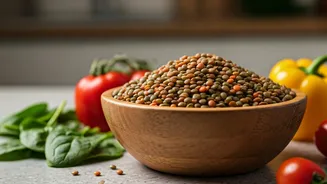
So, why is a savory, high-protein breakfast so effective? The answer lies in how our bodies process different macronutrients. Protein is the most satiating of them all. It not only keeps you feeling full for longer but also helps stabilise blood sugar levels by slowing down the absorption of carbohydrates. This prevents the dramatic energy rollercoaster caused by sugary foods. Furthermore, starting your day with adequate protein (aiming for 20-30 grams is a common recommendation from nutritionists) supports muscle maintenance and metabolic function. Pairing protein with fibre—found in whole grains, vegetables, and legumes—further enhances satiety and promotes good digestive health. It's a powerful combination that sets a stable foundation for the day ahead.
It’s Already in Our Kitchens
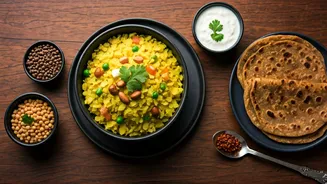
The best part about this trend is that it’s not a foreign concept we need to import. Indian cuisine is rich with savory breakfast options that are naturally balanced and nourishing. We just need to bring them back into focus. Dishes like poha, upma, and dalia are excellent canvases. Instead of making them with minimal additions, we can supercharge them. Add a handful of roasted peanuts, sprouts, or paneer to your poha. Cook your upma with chopped vegetables and a spoonful of lentils (dal). Prepare masala oats with peas and carrots instead of sweetening them with fruit and honey. Other fantastic options include besan or moong dal chilla, egg bhurji with whole-wheat roti, or even a simple bowl of curd topped with seeds and nuts. This is about embracing the inherent wisdom of our own food culture.
How to Make the Switch
Transitioning to a savory breakfast doesn’t require a complete overhaul. Start small. If you currently eat toast with jam, try switching to toast with peanut butter or a savory topping like avocado or hung curd. If you love your morning bowl of oats, try a savory version just once a week. You can also prep ahead: make a batch of chilla batter or boil some eggs to have on hand for busy mornings. The key is to add protein and fibre wherever you can. Even adding a side of sprouts or a handful of nuts to your existing breakfast can make a significant difference in how you feel mid-morning. Listen to your body; the sustained energy and lack of cravings will be all the motivation you need.