






The Monsoon's Medicinal Meal
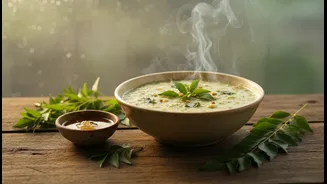
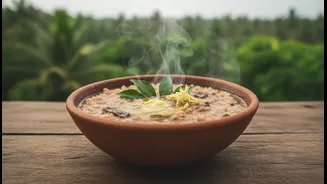
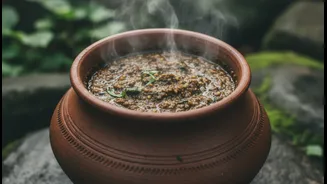
Karkidaka Kanji, also known as Oushadha Kanji (medicated porridge), is a cornerstone of Karkidaka Chikitsa, the traditional Ayurvedic wellness regimen for the monsoon month of Karkidakam (mid-July to mid-August). According to Ayurveda, the monsoon is a period
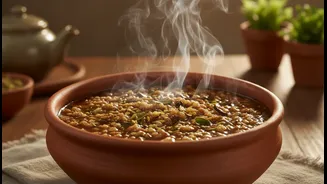
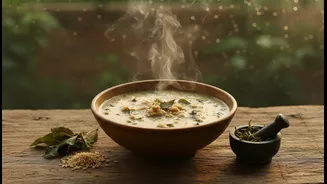
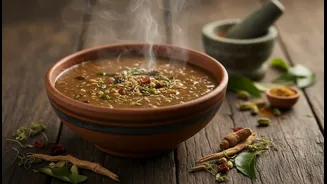
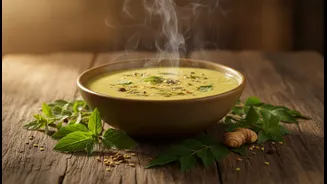
when digestion ('Agni') is weak and the body's doshas are imbalanced, making it vulnerable to illness. This warm, nourishing porridge is designed to counteract these effects. Its base is typically Njavara rice, a medicinal variety native to Kerala, combined with coconut milk and an array of herbs and spices like fenugreek, cumin, and dry ginger. Each ingredient is chosen for its specific properties—to kindle digestion, reduce inflammation, and help eliminate toxins.
The Gains: Immunity, Digestion, and Tradition
For home cooks and food enthusiasts, embracing the Karkidaka Kanji season offers tangible benefits. Primarily, it’s a powerful, natural way to boost immunity during a season notorious for colds and fevers. The carefully selected herbs and spices work to strengthen the body’s defences. Secondly, it’s a masterclass in digestive reset. The light, easily digestible gruel gives the digestive system a much-needed break, improving gut health and overall energy levels. Beyond the physical, preparing the kanji is a way to connect with a profound cultural tradition. It’s an act of seasonal self-care, a rhythm that ties the modern kitchen to ancestral wisdom about living in harmony with nature's cycles. The process itself—of understanding and using local, seasonal ingredients for health—is a valuable lesson for any food lover.
What Needs Checking: The Rise of the Instant Mix
The first area that warrants a critical eye is the explosion of commercial, ready-to-cook Karkidaka Kanji kits. While these instant mixes offer undeniable convenience for busy, modern lives, they also raise important questions. The traditional preparation is highly personalised; an Ayurvedic practitioner might recommend specific herbs based on an individual's constitution. This nuance is lost in a one-size-fits-all packet. Furthermore, there is the question of ingredient quality and freshness. Traditional recipes often call for fresh herbs like the Dashapushpam (a group of ten sacred flowers) that flourish during the monsoon. Packaged kits, prepared months in advance, inevitably use dried, and sometimes lower-quality, substitutes, potentially diluting the therapeutic benefits.
What Needs Checking: Health Claims vs. Hype
Another crucial aspect to check is the marketing narrative surrounding the kanji. While its ingredients have recognised nutritional and therapeutic properties in Ayurveda, it is not a magic potion. The commercialisation has led to some exaggerated claims, positioning it as a cure-all for everything from high cholesterol to diabetes. It's important for consumers to approach these claims with a healthy dose of skepticism. The porridge is a supportive wellness food, meant to be part of a holistic approach that includes a balanced diet and lifestyle, especially during the monsoon. Avoiding non-vegetarian food, excess oil, and coffee is often recommended to allow the kanji to do its work. Viewing it as a standalone miracle cure overlooks the broader context of the Ayurvedic 'Ritucharya' (seasonal regimen) it belongs to.
Embracing the Season with Awareness
So, how should a curious home cook approach Karkidaka Kanji season? The key is mindful engagement. If you're new to it, start simple. A basic version with Njavara rice, coconut milk, fenugreek, and ginger can be a wonderful introduction. For those wanting a deeper dive, seeking advice from a qualified Ayurvedic practitioner can provide a personalised herb blend suited to your body. If using a pre-made kit, look for reputable brands known for their quality sourcing. The real gain comes not just from eating the porridge, but from understanding the 'why' behind it—appreciating the wisdom of seasonal eating and taking an active, informed role in your own health.